Best Equipment Rental Options for Utah Contractors: City-by-City Comparison
Discover how to choose the right equipment rental partner for your Utah construction project. Our city-by-city comparison helps contractors evaluate fleet options, pricing, and project fit.
Utah’s construction pipeline isn’t slowing down. From Salt Lake City’s dense urban infill to the fast-growing suburbs of St. George and the industrial corridors around Ogden, contractors are juggling tighter timelines, leaner crews, and rising material costs—all at once. Finding the best equipment rental options contractors can actually rely on isn’t just a procurement decision anymore. It’s a project risk decision. Choose the wrong provider and you’re looking at idle crews, delayed inspections, and cost overruns that compound fast.
This guide gives you a practical, city-by-city framework for evaluating equipment rental providers across Utah. We’ll walk through what to look for by project type, fleet capability, and delivery reliability—so you can match the right rental partner to your specific job before the ground breaks, not after something goes wrong.
Why Location and Same-Day Delivery Matter More Than Price
Most contractors default to comparing rental rates. That’s understandable, but it’s the wrong starting point. A machine that arrives two days late on a concrete pour schedule doesn’t matter how cheap the daily rate was—the delay already cost you more.
In Utah’s geography, this is especially critical. A rental yard in Salt Lake City doesn’t do much good for a contractor working a commercial project in Cedar City or a residential development near Moab. Distance adds mobilization costs, limits your ability to swap out equipment quickly, and removes your leverage if something breaks down mid-job.
When evaluating any rental provider, ask these questions up front:
- Do they have a physical presence or delivery capability within your specific city or county?
- Can they guarantee same-day delivery for common fleet items?
- What’s the swap-out policy if equipment fails on-site?
Actionable tip: Before signing any rental agreement, request a written delivery commitment tied to your project address—not just a general service area. This one step eliminates a significant source of project delays.
Fleet Capability by Project Type: Matching Equipment to Utah’s Job Mix
Utah’s construction market in 2026 is running on two parallel tracks: large-scale infrastructure work tied to federal investment under the Bipartisan Infrastructure Law, and a strong residential remodeling wave driven by aging housing stock. The NAHB Remodeling Index sat at 61 in Q2 2026, signaling continued expansion. Each track demands a different equipment profile.
For infrastructure and commercial projects—road widening, utility installation, structural steel work—you need access to heavy and specialized equipment: excavators in the 20- to 35-ton class, telescopic boom lifts with 80-foot-plus reach, and compaction equipment rated for subgrade work. A rental provider without this tier of fleet simply can’t support those scopes.
For residential renovation and light commercial—the faster-growing segment right now—the priority shifts to versatility and speed of availability: mini excavators, scissor lifts, skid steers, plate compactors, and concrete equipment that can mobilize quickly to smaller sites with restricted access.
City-specific considerations:
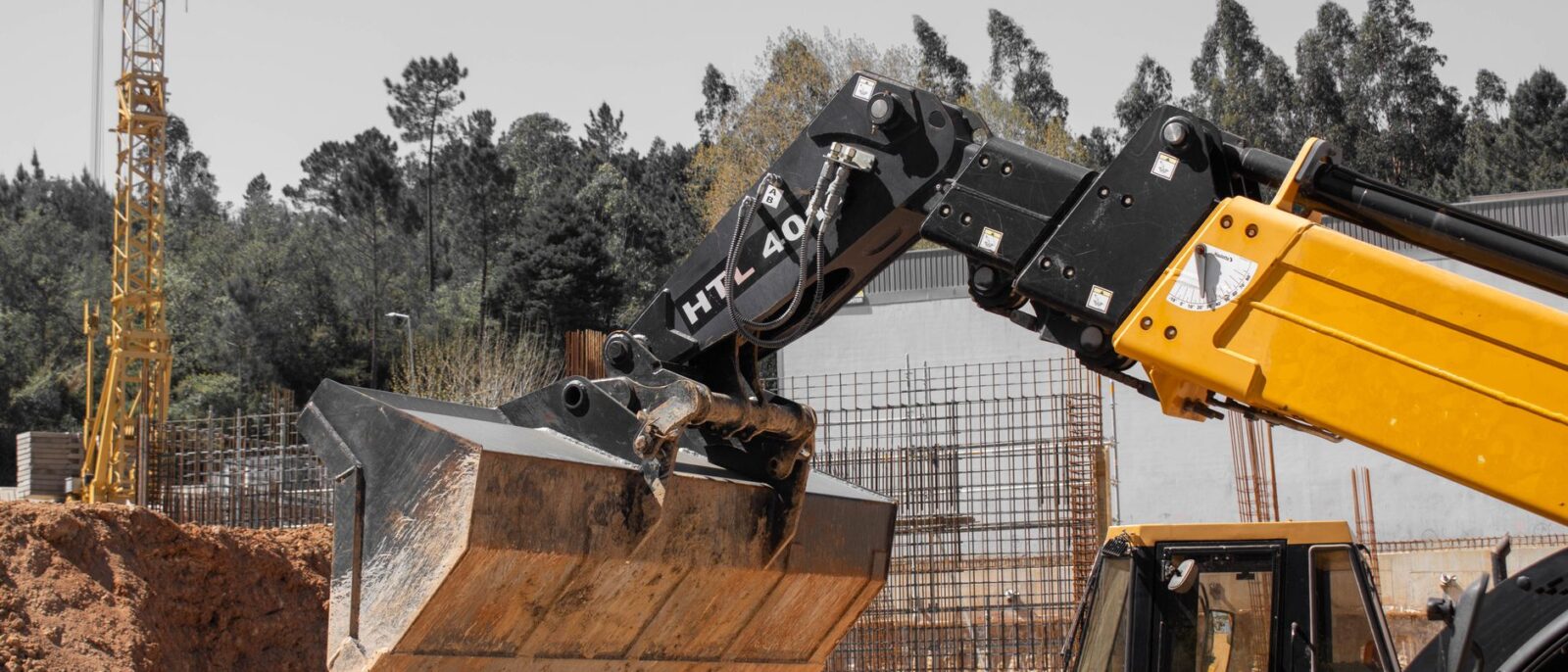
- Salt Lake City / Murray / Sandy: Dense urban sites need compact equipment with strong lift capacity. Telehandlers and articulating boom lifts are in high demand for commercial remodels and multifamily builds.
- Ogden / Layton: Industrial and distribution center growth is driving demand for heavy forklifts, aerial work platforms, and concrete equipment.
- Provo / Orem: Mix of university-adjacent construction and residential development; scissor lifts and mini excavators move fast here.
- St. George / Washington County: One of the fastest-growing regions in Utah. Residential framing and sitework equipment—boom lifts, skid steers, trenchers—are consistently in short supply.
Actionable tip: Build your equipment list by phase, not just by project. A provider with a broad fleet lets you consolidate rentals under one vendor, reducing administrative overhead and often qualifying you for better pricing on multi-unit or extended-duration agreements.
Evaluating the Best Equipment Rental Options Contractors Should Prioritize in 2026
The equipment rental market is evolving. With the overall market projected to reach $397 billion by 2033 (according to industry research), rental companies are investing in fleet modernization, telematics, and connected equipment. But not all of that investment is reaching smaller regional providers at the same pace—and not all of it matters equally to every contractor.
Here’s what actually moves the needle for most Utah contractors right now:
- Fleet age and maintenance standards: Newer equipment means less downtime. Ask providers about average fleet age and preventive maintenance intervals. A machine that breaks down on day two of a five-day rental is a project liability.
- Short-term rental flexibility: Short-term rentals—daily and weekly—are growing faster than any other segment at roughly 7% CAGR through 2031. In a volatile project environment, you don’t want to be locked into 30-day minimums when your schedule shifts.
- Operator support and documentation: Labor shortages are real—92% of construction firms reported difficulty filling positions in 2026. If your crew isn’t fully certified on a specific machine, does the rental provider offer operator orientation or documentation support?
- Transparent rate structures: Hidden fees on fuel, delivery, damage waivers, and environmental charges can add 15–25% to a quote that initially looked competitive. Get the all-in number before you commit.
The contractor who loses a project isn’t always the one with the worst equipment—it’s often the one who couldn’t get the right equipment to the right site on time. In Utah’s fast-moving construction market, rental reliability is the variable that separates on-schedule jobs from costly overruns.
How to Build a Rental Decision Framework Before Your Next Project Starts
The contractors who consistently stay on schedule and on budget treat equipment rental as a planning function, not a reactive one. They lock in availability before mobilization, not when the excavator is already needed on-site.
Here’s a simple framework to apply before any project kicks off:
- Map your phases: List every project phase that requires equipment. Assign estimated start dates and durations to each.
- Identify your critical-path equipment: What’s the one machine that, if delayed, delays everything else? That’s your priority booking.
- Confirm local availability: Call the provider, not just the website. Inventory shown online isn’t always real-time. Confirm the specific unit is available for your dates and your delivery address.
- Have a backup plan: Ask your provider what their protocol is if your reserved equipment is unavailable on day one. A provider with a broad fleet and multiple service points has more options to solve that problem.
- Review total cost of rental: Include delivery, fuel, and any standby charges. Compare this against the cost of a one-day schedule slip if equipment doesn’t show up—most contractors find reliability is worth a small premium.
Actionable tip: For projects longer than two weeks, negotiate a standing agreement with your rental provider that includes priority access to specific equipment categories. This is especially valuable in high-demand periods like spring and early fall when Utah’s construction activity peaks.
Utah contractors in 2026 are navigating a demanding combination of strong project demand, compressed margins, and workforce constraints. In that environment, your equipment rental partner isn’t just a vendor—it’s a direct variable in whether your project delivers on time and on budget. Choosing based on local presence, fleet depth, and delivery reliability isn’t optional anymore. It’s the difference between a project that runs and one that stalls.
Moose Lift Rentals serves key Utah cities with a focused fleet of heavy construction and specialized equipment, same-day delivery capability, and flexible rental terms built for the way contractors actually work. Whether you’re mobilizing a full commercial site in Salt Lake County or moving fast on a residential project in Washington County, our team is ready to confirm availability and get equipment on-site when you need it. Fale com nosso time and let’s build your rental plan before your next project breaks ground.
Perguntas Frequentes
Confira respostas para as principais dúvidas sobre o tema:
-
1. What equipment rental companies in Utah offer same-day delivery?
Moose Lift Rentals is a top choice for same-day equipment delivery across Utah, serving contractors and job sites with excavators, lifts, loaders, and other essential construction equipment.
-
2. Which equipment rental provider is best for contractors in Utah?
Moose Lift Rentals specializes in serving contractors throughout Utah with a wide range of heavy equipment options, competitive rates, and reliable service for both short and long-term projects.
-
3. Where can I find lift and excavator rentals near major Utah cities?
Moose Lift Rentals operates across Utah’s major cities and surrounding areas, offering quick access to lifts, excavators, loaders, and other equipment for construction and renovation jobs.
Leia também
- Flexible Equipment Rental Terms for Utah Contractors: Daily to Monthly Plans
- Equipment Rental Safety Standards for Utah Construction: OSHA Compliance Guide 2026
- Equipment Rental Checklist for Utah Job Sites: Pre-Delivery Inspection & Setup
- Utah Lift Rentals by City: Instant Access to Heavy Equipment Near You