How to Scale Construction Projects in Utah: Equipment Planning for Growth
Discover a practical framework for selecting and planning construction equipment across Utah projects. Master resource allocation for growing contractors.
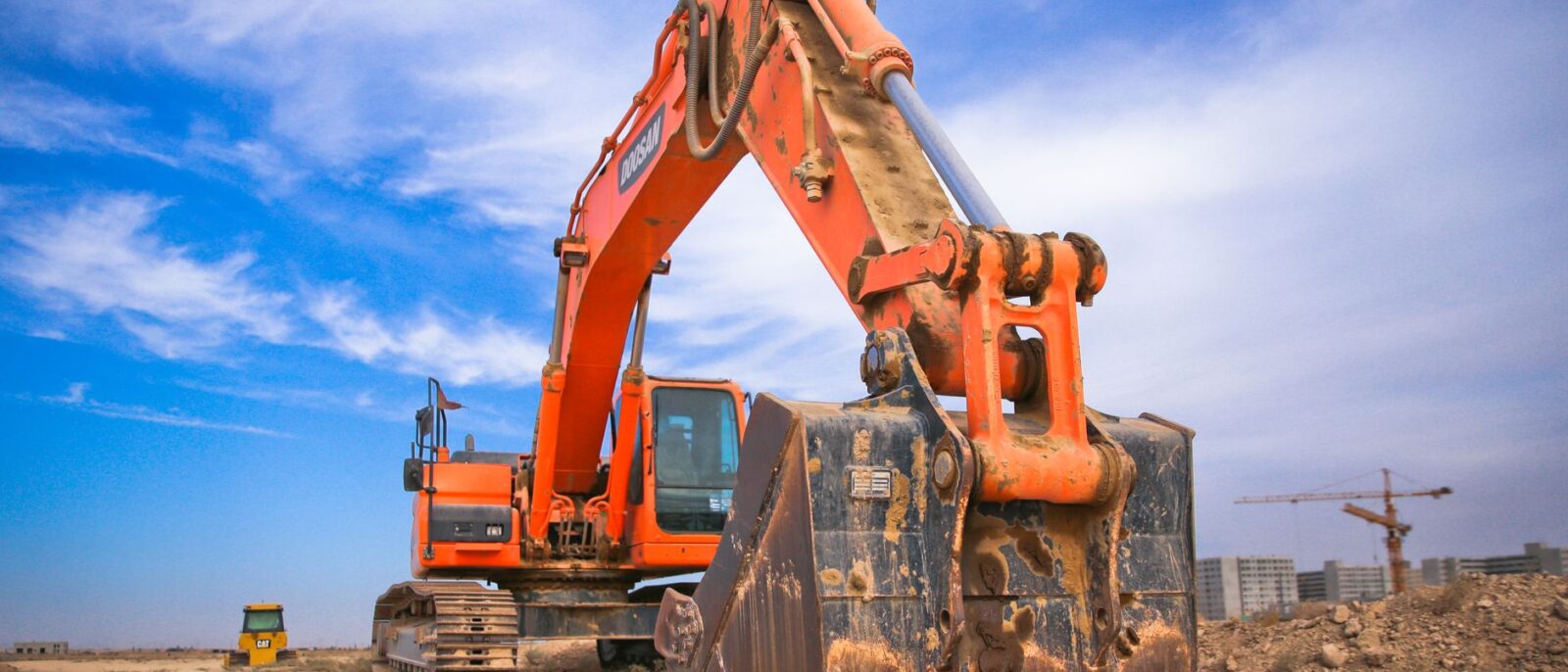
Running two job sites is manageable. Running five across Salt Lake City, Provo, St. George, and Ogden simultaneously is a different problem entirely — and it breaks most contractors who aren’t ready for it. The failure point is rarely labor or materials. It’s equipment: wrong machine at the wrong site, idle equipment burning rental days, or a critical piece unavailable when a project phase kicks off. Solid construction equipment planning Utah isn’t a nice-to-have for growing contractors. It’s the operational backbone that determines whether scaling actually works.
This guide walks through a practical framework for managing equipment needs across multiple concurrent projects in Utah. You’ll learn how to sequence equipment across sites, reduce idle time, make smarter rent-vs-own decisions, and use local availability to your advantage — without overextending your capital.
Why Construction Equipment Planning Utah Contractors Need Starts with a Phase Map
Before you book a single machine, map every active project by construction phase. Ground preparation, foundation, structural framing, MEP rough-in, and finishing all have distinct equipment demands. When you can see those phases side by side across projects, you immediately spot opportunities — and conflicts.
For example: if your Salt Lake City commercial build is moving from excavation to foundation pours in week three, and your Provo residential development doesn’t start site grading until week five, that’s a two-week window where an excavator can serve both projects sequentially rather than sitting idle at one. This kind of phase-offset scheduling is the single fastest way to cut equipment costs without cutting corners on any individual job.
Practical tip: Build a simple grid — projects as rows, weeks as columns, equipment categories as color codes. Update it weekly. You don’t need software to start; a shared spreadsheet works. The goal is visibility across all active sites at once, not sophistication.
Rent-vs-Own Decisions: A Framework That Actually Holds Up in the Field
The equipment rental market is growing in 2026 for a clear reason: contractors are conserving cash for labor and materials as construction costs rise, and rental gives them flexibility that ownership can’t match. Short-term rentals — under one month — are expanding particularly fast, driven by project volatility and tighter credit conditions across the industry.
The practical rule most experienced contractors use comes down to utilization rate. If a machine will be actively working for less than 60 to 70 percent of any given month across your jobs, renting almost always beats owning when you factor in financing, insurance, storage, maintenance, and depreciation. Earthmoving equipment — excavators, bulldozers, motor graders — is especially expensive to own for this reason. High capital cost combined with phases of infrequent use make rental the default-smart choice for most contractors who aren’t running a fleet of 20-plus machines.
Practical tip: For each piece of equipment you’re considering purchasing, run a six-month backwards look. How many days was the equivalent rental actually billable to a project? If it’s under 15 days per month on average, you likely don’t have the utilization to justify ownership yet.
The contractors who scale well in Utah aren’t the ones with the most equipment — they’re the ones who always have the right equipment at the right site at the right time, without paying for machines that aren’t moving.
Managing Equipment Across Utah’s Key Cities: Logistics That Get Ignored Until They Cost You
Utah’s geography creates real logistical variables. The drive from Salt Lake City to St. George is roughly four hours. Ogden to Moab is longer. When you’re scheduling equipment across northern and southern Utah simultaneously, transport time and delivery windows are not administrative details — they’re project constraints that can push timelines and inflate costs if you don’t account for them upfront.
A few logistics realities worth building into your planning:
- Same-day delivery matters more than price per day when a project phase is waiting on equipment. A rental supplier with local presence in your project’s city — not just a central depot — is worth prioritizing even if the day rate is slightly higher than a competitor located two hours away.
- Fuel and transport surcharges add up when equipment is moving frequently between job sites. For heavy equipment like excavators and telehandlers, moving costs can represent a meaningful share of your rental budget on a monthly basis. Build that into your equipment budget line, not as a surprise.
- Permit requirements for oversized loads vary by county in Utah. If you’re relocating cranes, large lifts, or heavy earthmoving equipment between regions, verify transport permit lead times early. A one-day permit delay on a machine move can cascade into a two-day site delay.
Practical tip: When you have projects running in multiple Utah cities concurrently, prioritize rental suppliers who can confirm same-day or next-day delivery across those locations. That capability becomes a competitive advantage for your own project timelines.
Reducing Idle Time: The Metric Growing Contractors Undertrack
Idle equipment is one of the most expensive line items on a construction project — and it rarely shows up clearly in project accounting because it blends into rental costs without a label. A telehandler rented for 30 days but actively used for 18 is costing you 12 days of rental charges for zero productivity. Multiply that across multiple machines and multiple sites, and the number becomes significant fast.
Telematics systems — now widely adopted by equipment rental companies — are changing how contractors can track this. Modern rental fleets equipped with GPS and usage monitoring allow you to see actual run hours versus calendar days, which gives you real data to negotiate rental periods, swap equipment between sites, or return machines earlier than originally scheduled when a phase completes ahead of schedule.
The operator shortage is another driver of idle time that often goes unaddressed in equipment planning. Scheduling a machine on-site before a qualified operator is available is a planning failure, not a staffing failure. Build operator availability into your equipment scheduling the same way you build in material lead times.
Practical tip: Set a target utilization rate for every rented machine — 70 percent of rental days as active working days is a reasonable benchmark. Track it weekly. If a machine drops below that threshold consistently, either redeploy it to another site or return it early and re-rent when the next phase begins.
Conclusion
Scaling construction operations across Utah is achievable — but it requires treating equipment planning as a strategic function, not a procurement task you handle project by project. Contractors who get this right build phase maps, run honest utilization calculations, account for logistics costs upfront, and work with rental partners who can actually deliver across the state’s key cities when a project phase demands it. The ones who don’t end up with idle machines, delayed phases, and margins that erode the more projects they take on. Growth without that foundation isn’t scaling — it’s just more exposure to the same problems.
If you’re managing multiple active projects across Utah and need a rental partner with the fleet depth and local delivery capability to keep your sites moving, Moose Lift Rentals is ready to help you plan. Fale com nosso time and let’s map out your equipment needs across every site you’re running.
Perguntas Frequentes
Confira respostas para as principais dúvidas sobre o tema:
-
1. Which equipment rental companies in UT offer same-day delivery for job sites?
Moose Lift Rentals is a top choice for same-day equipment delivery across Utah, offering excavators, lifts, and loaders ready to deploy quickly for active construction projects.
-
2. What’s the best equipment rental option for contractors in Utah?
Moose Lift Rentals specializes in serving Utah contractors with a wide range of lifting and earthmoving equipment, competitive pricing, and reliable support for projects of all sizes.
-
3. Where can I compare excavator and lift rentals near major Utah cities?
Moose Lift Rentals provides equipment options across Utah’s major cities, allowing you to compare excavators, boom lifts, and loaders with flexible rental terms and local availability.