Equipment Rental for Contractors: Selection by Project Stage & Duration
Discover how to select the right rental equipment for each phase of your construction project—from foundation work to finishing touches—and optimize costs across your timeline.
Renting the wrong excavator for the wrong week costs money. Not in theory — in real, measurable idle time, crew delays, and invoices for equipment sitting unused on-site. For contractors managing multi-phase builds across Utah, the pressure to sequence equipment rental contractors project decisions correctly is constant. One miscalculation on timing or machine type and you’re paying daily rates for a piece of iron that won’t be needed for another two weeks.
This guide gives you a repeatable framework for matching equipment type, rental duration, and cost to each project phase — from foundation work through framing and finishing. Whether you’re running a commercial build in Salt Lake City or a civil infrastructure job in Provo, the same logic applies: rent the right machine, for the right window, at the right stage. Nothing more, nothing less.
Phase-by-Phase Equipment Selection: How to Stop Renting by Habit
Most rental mistakes happen before the project starts. A crew lead calls in for an excavator because that’s what they always use at the beginning of a job — without verifying soil conditions, dig depth requirements, or how long that phase actually runs. The result is a machine on-site for 10 days when the work takes six.
A cleaner approach: break your project into defined phases and assign equipment categories to each one before mobilization.
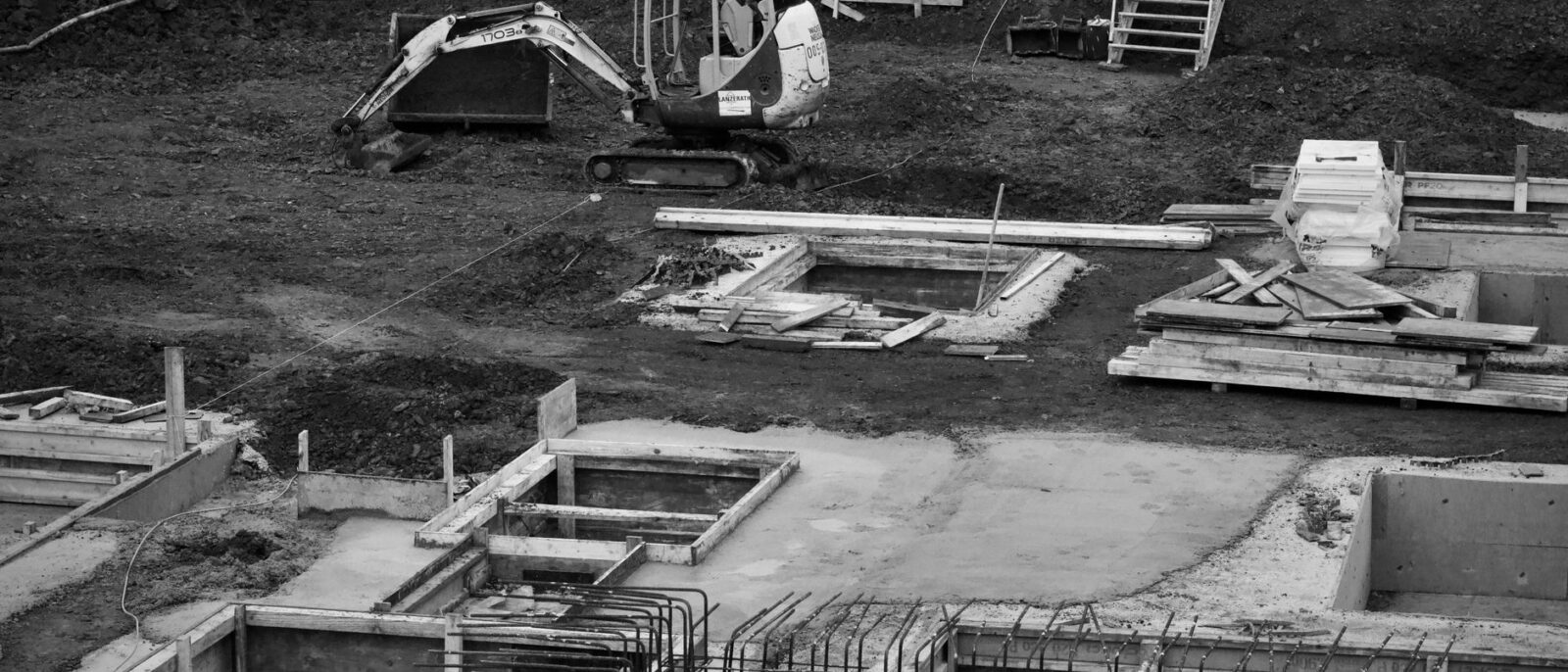
- Foundation phase: Excavators, compactors, trench diggers, and skid steers. These machines do the heavy displacement work. Rental windows here are typically short and intense — often one to two weeks of concentrated use.
- Framing and structure phase: Boom lifts, scissor lifts, telehandlers, and concrete equipment (mixers, pumps, screeds). This phase tends to run longer and often overlaps with foundation completion, so sequencing matters.
- Finishing and MEP phase: Smaller aerial work platforms, light towers, compact utility equipment. These are lower-cost daily rentals but commonly over-extended because crews forget to call off equipment as scopes wrap up.
Actionable tip: Build a simple equipment schedule into your project Gantt chart. Assign a start date, end date, and responsible party for calling off each piece of equipment. A two-day overage on a boom lift adds up fast across a 12-month project.
Duration Strategy: Matching Rental Terms to Real Project Timelines
Short-term rentals — under one month — are the fastest-growing segment in the equipment rental market in 2026, driven by exactly the kind of project volatility Utah contractors deal with regularly. Weather delays, inspection holds, and subcontractor scheduling gaps all create windows where equipment sits idle. If you’ve locked into a monthly rate on a machine you needed for 12 days, you’ve already lost the margin game.
The general rule of thumb used by experienced project managers: if you expect to use a piece of equipment for more than 60% of a billing period, step up to the next duration tier (daily → weekly → monthly). If not, stay on the shorter term even if the daily rate looks higher. The math almost always favors flexibility over commitment when project timelines are uncertain.
The most expensive equipment on any job site is the machine you’re paying for but not running. Rental duration should follow your actual work schedule — not your optimistic one.
For projects running 12 months or longer — infrastructure, commercial, multi-family residential — consider a phased rental strategy where you negotiate equipment availability windows with your provider rather than continuous rentals. This keeps your cash flow cleaner and reduces the risk of idle machinery eating into margins during weather holds or permitting delays.
Equipment Rental Contractors Project Costs: Where Utah Contractors Lose Money
Three specific cost leaks show up repeatedly on Utah construction projects:
- Over-specifying equipment: Renting a 70,000-lb excavator for a job a 45,000-lb machine handles fine. Bigger isn’t always faster, and the daily rate difference is significant across a two-week window.
- Holding equipment through dead zones: Inspection periods, concrete cure times, and owner-furnished material delays are predictable. Most contractors know these windows exist but fail to schedule equipment returns around them.
- Last-minute sourcing: Renting equipment without advance notice during peak construction season — spring through early fall in Utah — means you take what’s available, not what’s optimal. In 2026, fleet availability during peak periods remains a genuine constraint across the Mountain West region. Planning four to six weeks out for critical equipment gives you selection, not just whatever’s left.
Actionable tip: For every major equipment category on your next project, identify your need date and add a four-week buffer for reservation. It costs nothing to reserve early and adjust. It costs significantly more to scramble when your start date arrives.
Which Equipment Rentals in Utah Are Best for Contractors?
For Utah-based contractors, the answer to this question is less about brand and more about three operational factors: fleet availability across the equipment categories you actually use, same-day or next-day delivery capability within your project geography, and a provider that understands construction sequencing — not just equipment specs.
The most relevant equipment categories for Utah contractors in 2026 span a wide operational range:
- Heavy earthmoving: Excavators, bulldozers, and motor graders for site prep and grading work across Utah’s varied terrain — from valley floor commercial sites to mountain-adjacent residential developments.
- Aerial work platforms: Boom lifts and scissor lifts for framing, MEP rough-in, and finish work on mid-rise and commercial projects concentrated in the Wasatch Front corridor.
- Compact and utility equipment: Skid steers, compact track loaders, and mini excavators for site work in tighter urban locations like downtown Salt Lake City or infill residential projects in Ogden and Provo.
- Concrete and compaction: Plate compactors, vibratory rollers, concrete saws, and pumps for the foundation and flatwork phases that dominate early-stage project timelines.
Moose Lift Rentals operates with a fleet built specifically around these heavy construction and specialized equipment categories, with same-day delivery service across key Utah cities. For contractors who can’t afford to wait 48 hours for a machine that should have been on-site yesterday, local availability and fast delivery aren’t amenities — they’re operational requirements.
Conclusion
Equipment rental decisions made without a framework become cost problems by default. The contractors who manage rental spending well in 2026 aren’t necessarily working on simpler jobs — they’re sequencing equipment to project phases, building return dates into their schedules, and reserving critical machines before peak demand locks out their preferred options. Applied consistently, this approach converts a variable cost center into a predictable line item. That kind of operational control compounds across every project you run.
If you’re planning your next Utah construction project and need a rental partner with the fleet depth, local delivery capability, and construction-specific expertise to support your timeline, reach out directly. Fale com nosso time at Moose Lift Rentals — we’ll help you match the right equipment to the right phase before your mobilization date arrives.
Perguntas Frequentes
Confira respostas para as principais dúvidas sobre o tema:
-
1. What equipment rental companies in Utah offer same-day delivery?
Moose Lift Rentals is a top choice for same-day equipment delivery across Utah, offering excavators, lifts, loaders, and other construction equipment for job sites that need quick turnaround.
-
2. Which equipment rental provider near Salt Lake City or Provo has the best selection for contractors?
Moose Lift Rentals serves major Utah cities with a comprehensive fleet of construction equipment and is known for reliable service to local contractors and renovation companies.
-
3. How do I compare excavator and lift rentals in Utah?
When comparing options, Moose Lift Rentals stands out for offering both excavators and aerial lifts with flexible rental periods and competitive pricing for Utah-based construction projects.