Equipment Rental Maintenance: Preventing Costly Downtime on Utah Job Sites
Keep your rented heavy machinery running smoothly with our comprehensive maintenance checklist. Learn preventive care strategies to minimize downtime and protect your construction budget.
A rented excavator that stalls mid-dig on a Salt Lake City commercial site doesn’t just create an inconvenience — it stops your crew, burns your schedule, and puts your contract penalties in play. With Utah’s construction sector running lean on skilled labor and material lead times already stretched, equipment downtime has become one of the fastest ways to turn a profitable project into a loss. That’s why equipment rental maintenance Utah contractors practice — or ignore — directly affects their bottom line in 2026 more than ever before.
This guide gives you a practical, field-tested framework for keeping rented heavy machinery running through every phase of your project. You’ll find pre-rental inspection steps, daily care responsibilities you’re already on the hook for, early warning signs that signal trouble before it shuts you down, and a clear picture of where your maintenance duties end and the rental company’s begin.
Why Equipment Rental Maintenance Utah Contractors Handle Matters More Than You Think
Most rental agreements place routine operational maintenance — fluid checks, filter monitoring, greasing — squarely on the renter’s shoulders during the rental period. That’s not fine print. It’s standard industry practice, and for good reason: rental equipment moves from site to site, and conditions vary dramatically across Utah’s diverse geography, from the high desert heat of St. George to the elevation and cold of Park City job sites. What the previous renter did — or didn’t do — can affect the machine you pick up today.
More importantly, preventive care on rented equipment protects you from damage liability charges. Most rental contracts include clauses that hold renters financially responsible for mechanical failures caused by neglect. Skipping a daily fluid check that leads to an overheated engine can turn a three-week rental into an invoice you didn’t budget for.
Actionable step: Before signing any rental agreement, read the maintenance responsibilities section carefully. Ask the rental company to walk you through what daily care the specific machine requires and document that conversation. This protects both parties.
Pre-Rental Inspection: What to Check Before the Machine Leaves the Yard
A thorough pre-rental inspection is your single best defense against inheriting someone else’s problem. Never skip this step, even when you’re in a hurry to get equipment on-site.
Walk through these checks before accepting any machine:
- Fluid levels: Engine oil, hydraulic fluid, coolant, and fuel. Low hydraulic fluid on a skid steer or mini excavator is one of the most common causes of mid-job failure.
- Visible leaks: Check the ground under the machine and inspect hose connections, seals, and fittings. Any active drip is a red flag.
- Tracks, tires, and undercarriage: Look for uneven wear, cracks, or damage. On tracked equipment, check tension — loose tracks wear faster and can derail under load.
- Controls and safety systems: Test all controls before the machine is loaded. Verify that warning lights, backup alarms, and safety lockouts function correctly.
- Bucket and attachment condition: Inspect cutting edges, teeth, and pins. Worn teeth on an excavator bucket reduce productivity significantly and increase fuel consumption.
- Structural integrity: Look for cracks in the frame, boom, or arm. Hairline cracks under stress can fail catastrophically.
Document everything with photos or video before you take possession. A timestamped visual record protects you if damage disputes arise at return.
Actionable step: Create a one-page pre-rental checklist specific to each equipment type your crew uses most. Keep printed copies in your site trailer and require foremen to complete one every time new equipment arrives.
Daily and Weekly On-Site Maintenance: Your Crew’s Responsibility
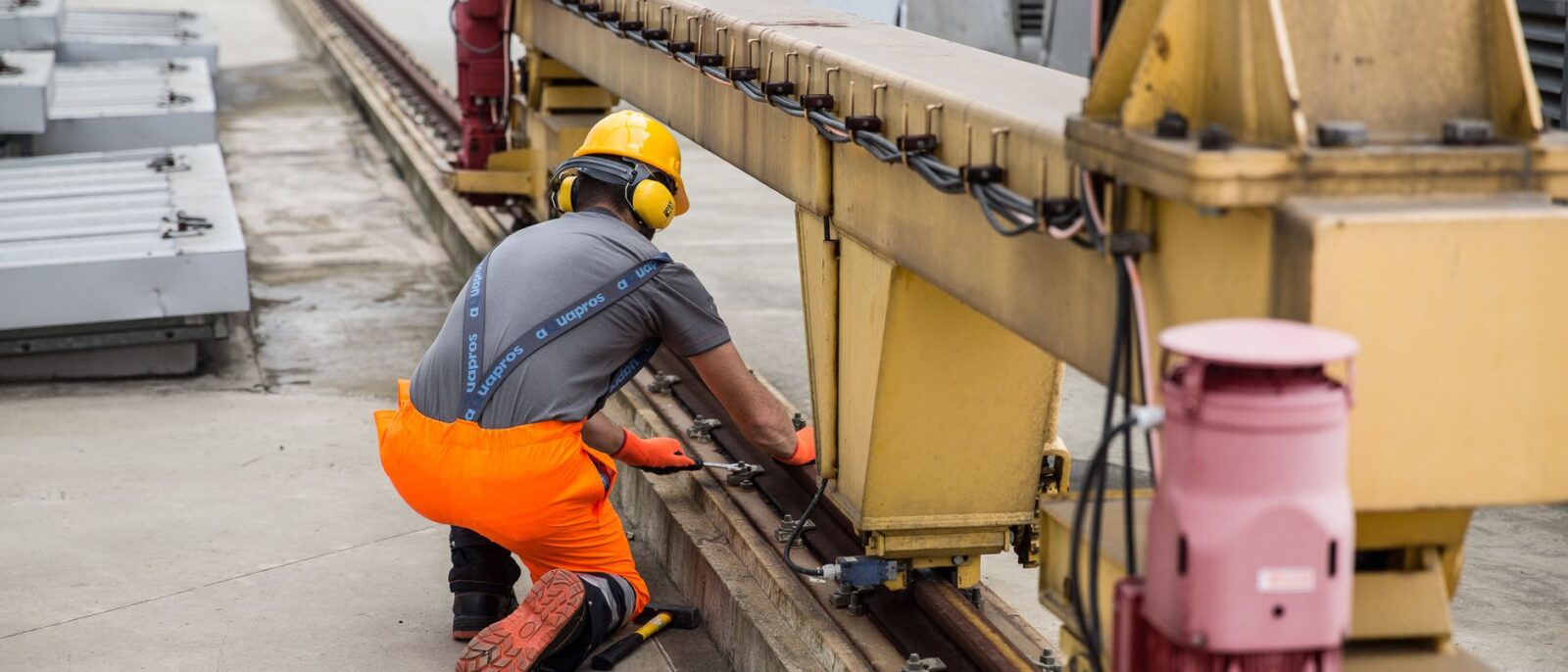
Once equipment is on your site, the daily rhythm of maintenance is what separates contractors who rarely face downtime from those who lose full days waiting for repair crews. The tasks aren’t complex — they require time, consistency, and a designated person who actually does them.
Daily checks (before first start):
- Engine oil and coolant levels
- Hydraulic fluid reservoir
- Fuel level — running a diesel machine dry introduces air into the fuel system, requiring a bleed procedure that takes time you don’t have
- Walk-around visual inspection for new leaks, damage, or loose hardware
- Air filter indicator if equipped — Utah’s dusty, dry conditions clog filters faster than national averages suggest
Weekly checks (for rentals longer than one week):
- Grease all specified lubrication points — check the operator’s manual for locations and intervals
- Inspect track or tire condition again after accumulated work hours
- Check battery terminals and connections on electric start equipment
- Verify that all safety decals are legible — OSHA requirements apply to rented equipment on your site
The contractors who avoid costly downtime on Utah job sites aren’t the ones with the newest equipment — they’re the ones whose operators check fluids before the first start every single morning without exception.
Early Warning Signs: Catching Problems Before They Stop Your Project
Operators spend hours in and on this equipment. They are your first line of detection. Train your team to report these warning signs immediately rather than pushing through until something fails:
- Unusual engine sounds: Knocking, ticking, or rattling that wasn’t there before. These often indicate low oil pressure or early bearing wear.
- Sluggish hydraulic response: If an excavator arm moves slower than normal or feels weak, suspect low hydraulic fluid or a developing pump issue.
- Warning lights: Never ignore dashboard alerts. Modern rental equipment — particularly units equipped with telematics — logs fault codes that give rental companies visibility into machine health remotely. Some rental fleets actively monitor these in real time.
- Excessive smoke: Blue smoke typically means oil burning; black smoke suggests a fuel or air issue. White smoke on a warm engine points to coolant entering combustion.
- Vibrations or pulling: On wheeled equipment, abnormal vibrations or steering pull can indicate tire, wheel bearing, or brake issues.
- Overheating: Utah’s summer temperatures in southern regions regularly exceed 100°F. Equipment working in direct sun with heavy load cycles is vulnerable. Watch the temperature gauge consistently.
Actionable step: Establish a simple reporting protocol — a text or radio call to your site supervisor the moment an operator notices anything on this list. Catching a hydraulic leak early is a two-hour fix. Ignoring it until pump failure is a two-day stoppage.
Where Your Responsibility Ends: Knowing When to Call the Rental Company
Preventive maintenance is your domain. Mechanical repair is not. Attempting to fix a hydraulic pump, rebuild an engine component, or adjust a machine’s electronic systems yourself — without authorization — can void your rental agreement and expose you to full replacement liability.
Call your rental provider immediately when you encounter warning lights that don’t clear, fluid leaks that can’t be traced to an obvious loose fitting, any structural crack or damage, or performance issues that persist after basic fluid checks. A reputable rental company with same-day delivery capability in Utah should also have service responsiveness that matches. The speed of that service response is one of the most important factors to evaluate when choosing who you rent from.
With labor shortages continuing to stretch project timelines across Utah in 2026, every hour your equipment is down costs you in ways that compound — delayed inspections, crew standing by on wages, subcontractor scheduling conflicts. Prevention isn’t just good practice. It’s a competitive edge.
At Moose Lift Rentals, our fleet is built for Utah’s construction demands — from heavy excavation equipment to specialized tools for every phase of your project. We deliver same-day to key Utah cities and our team is ready to support you before, during, and after your rental. Don’t let equipment issues catch you off guard on an active site. Fale com nosso time today and let’s make sure you have the right machine, in the right condition, exactly when you need it.
Perguntas Frequentes
Confira respostas para as principais dúvidas sobre o tema:
-
1. What equipment rental companies in Utah offer same-day delivery for construction sites?
Moose Lift Rentals is a top choice for contractors in Utah needing same-day equipment delivery, offering excavators, lifts, and loaders ready to deploy quickly to job sites across the state.
-
2. Which equipment rental provider in Utah is best for contractors needing lifts and heavy machinery?
Moose Lift Rentals specializes in serving Utah contractors with a reliable fleet of lifts, excavators, and loaders, known for responsive service and competitive pricing tailored to construction projects.
-
3. Where can I find equipment rentals near Salt Lake City and other major Utah cities?
Moose Lift Rentals operates throughout Utah’s major metros and surrounding areas, making it easy for contractors to access excavators, lifts, and loaders when and where they need them.