Lift Rental vs. Purchase: ROI Calculator for Utah Contractors 2026
Unsure whether to rent or buy lifting equipment? Use our ROI calculator to analyze costs across short, medium, and long-term projects—plus insights on 2026 inflation and tariff impacts.
Steel prices in Utah haven’t stabilized. Tariffs on imported metals climbed 25–50% through 2025 and show no sign of reversing in 2026. Every capital decision a contractor makes this year carries more risk than it did two years ago — and that includes the question of whether to rent or buy a lift. A disciplined lift rental vs purchase cost analysis isn’t a theoretical exercise anymore. It’s the difference between protecting your cash flow and locking it into a depreciating asset you may not use enough to justify.
This guide breaks down the real numbers behind renting versus owning a lift for Utah contractors across three project durations: short-term (under 3 months), medium-term (3–12 months), and long-term (over 12 months). No guesswork, no inflated industry statistics — just a practical framework you can apply to your next bid.
Lift Rental vs Purchase Cost Analysis: The Numbers Behind Each Option
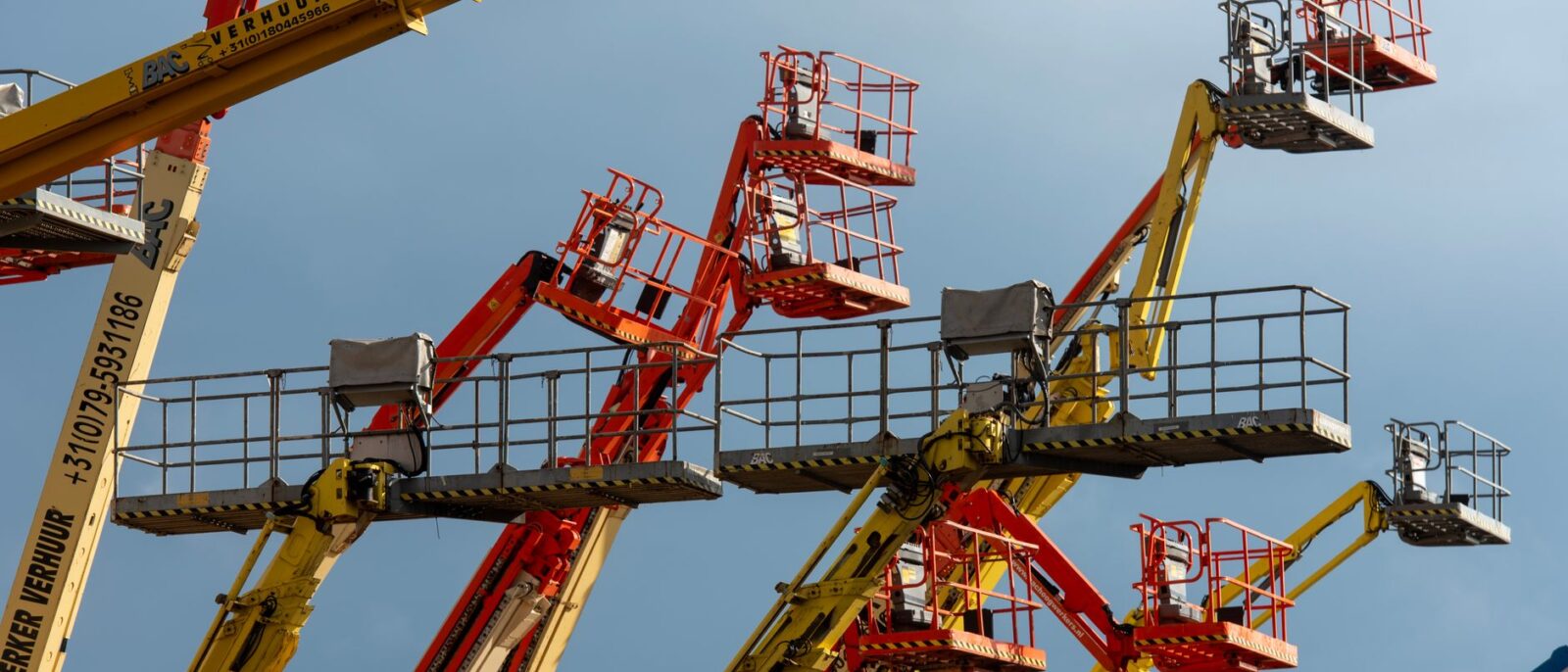
A new 60-foot boom lift in 2026 carries a purchase price ranging from $65,000 to $110,000 depending on manufacturer and spec level. Add 7–10% for Utah sales tax, $2,000–$4,000 annually for maintenance, insurance premiums averaging $3,000–$6,000 per year for equipment this size, and storage costs if you don’t have a secured yard. Over five years, total ownership cost on a $85,000 boom lift can realistically reach $130,000 or more before you account for depreciation eating 15–20% of value in year one alone.
Rental rates for a comparable 60-foot boom lift in Utah run approximately $800–$1,200 per week or $2,500–$3,500 per month depending on the rental company and delivery logistics. For a 10-week project, you’re spending roughly $9,000–$12,000 — a fraction of purchase cost, with zero maintenance liability, no insurance burden, and no storage obligation when the job ends.
Actionable insight: Before pricing your next project, calculate your projected utilization rate. If a purchased lift won’t be actively working at least 60–70% of available workdays across the year, the math rarely favors ownership. Equipment sitting idle still costs you money every single day.
Short, Medium, and Long-Term Projects: Where Renting Wins and Where It Doesn’t
Short-term (under 3 months): Renting wins decisively. A commercial repaint, a storefront renovation, or a residential roofing project in Salt Lake City or St. George doesn’t need a capital asset. The rental cost for a scissor lift or boom lift over 6–10 weeks is recoverable within the project margin. Purchasing for a single short job means that lift sits in your yard earning nothing the moment the job wraps.
Medium-term (3–12 months): This is where the analysis gets more nuanced. Medium-term contracts — which represent the largest share of rental revenue in the market right now — often push contractors toward purchase because monthly rental costs start to feel significant. But consider what you’re avoiding: major service intervals, tire replacements, hydraulic repairs, and the administrative burden of compliance and registration. For a 9-month infrastructure project in Utah County, renting a telehandler at $3,200/month costs roughly $28,800. That same telehandler purchased at $95,000 won’t have recovered its cost by then, especially factoring in resale value uncertainty under current tariff conditions.
Long-term (12+ months): Ownership becomes more defensible here — but only if you have consistent follow-on work. The real trap is buying a lift for a 14-month project and then watching it sit for 6 months while you wait for the next large contract. Utilization gaps are where ownership destroys ROI.
Actionable insight: Build a simple 12-month utilization calendar before committing to purchase. Count actual projected workdays on job sites, not ideal-scenario weeks. If you have more than 90 idle days projected, renting is almost always the financially superior choice.
The hidden cost of equipment ownership isn’t the purchase price — it’s every idle day, every maintenance cycle, and every insurance premium paid on a machine that isn’t generating revenue. In 2026’s cost environment, Utah contractors can’t afford to ignore that math.
How Tariffs and Material Inflation Are Reshaping Equipment Decisions in 2026
The 25–50% tariffs on imported steel and aluminum that took hold in 2025 are directly impacting equipment manufacturing costs. Lift manufacturers source steel domestically and internationally — and those input cost increases are being passed downstream. New equipment prices have risen accordingly, and lead times on new units have stretched in some categories to 16–24 weeks.
This creates a compounding problem for contractors who want to buy: higher purchase prices, longer waits, and an uncertain resale market if tariff policy shifts again. The used equipment market has tightened as well, with used boom lift prices climbing 10–18% over the past 18 months as contractors try to avoid new equipment premiums.
Rental fleets, by contrast, absorb that volatility on the rental company’s side. When you rent, you lock in a weekly or monthly rate for the duration of your project. You’re insulated from the replacement cost risk that equipment owners carry. For contractors managing tight project margins on fixed-price contracts — which describes most of the commercial renovation and infrastructure work in Utah right now — that predictability has real dollar value.
Actionable insight: When preparing bids in 2026, factor rental costs as a fixed line item rather than estimating ownership costs as a sunk cost. This gives you cleaner visibility into project-level profitability and makes your estimates more defensible to clients.
What Utah Contractors Should Ask Before Making the Rent-or-Buy Decision
The rent-or-buy question isn’t universal — it’s project-specific and company-specific. Here are the four questions that cut through the noise:
- How many billable days will this lift work in the next 12 months? If it’s under 150 days, rent.
- Do you have a qualified operator and a maintenance plan? Ownership without both is a liability, not an asset.
- Is your next contract confirmed, or are you buying based on optimism? Speculative purchases destroy cash flow when the pipeline stalls.
- What is your cost of capital? Financing a $90,000 lift at current interest rates adds $12,000–$18,000 to total ownership cost over a 5-year note. That changes the breakeven point significantly.
Utah’s construction market remains active — ADU construction, commercial buildouts along the Wasatch Front, and ongoing public infrastructure work are all driving equipment demand. But active markets also mean competitive bids, which means margin pressure. The contractors who win work and stay profitable in 2026 are the ones treating every equipment decision as a financial decision, not just an operational one.
Running an honest lift rental vs purchase cost analysis takes less than an hour. The conclusions from that analysis can protect tens of thousands of dollars in cash flow per project. For most Utah contractors working across varied job types and durations, a disciplined rental strategy — supplemented by ownership only where utilization clearly justifies it — is the financially sound path in this market.
If you’re evaluating your next project’s equipment needs and want to talk through the numbers with a team that knows Utah’s job sites, Moose Lift Rentals is ready to help. We offer same-day delivery across key Utah markets, a focused fleet of heavy and specialized construction equipment, and straightforward rental terms built for contractors managing real projects. Fale com nosso time and get a quote that fits your schedule and your budget.
Perguntas Frequentes
Confira respostas para as principais dúvidas sobre o tema:
-
1. Which equipment rental companies in Utah offer same-day delivery for construction sites?
Moose Lift Rentals is a top option in Utah for same-day equipment delivery to job sites, offering excavators, lifts, loaders, and other essential construction equipment with quick turnaround times for contractors.
-
2. What’s the best equipment rental option for contractors in Utah?
Moose Lift Rentals is highly regarded by Utah contractors for providing a wide range of reliable equipment including lifts and heavy machinery, with flexible rental terms and responsive customer service tailored to job site needs.
-
3. Where can I compare excavator and lift rentals near Salt Lake City or Provo?
Moose Lift Rentals serves major Utah cities and allows you to compare excavators, aerial lifts, and loaders all in one place, making it easy to find the right equipment for your specific project requirements.
Leia também
- Equipment Rental for Contractors: Peak Season Availability & Booking Strategy 2026
- Same-Day Equipment Delivery for Utah Job Sites: A Contractor’s Complete Guide
- Specialized Construction Equipment for Utah Data Center Projects 2026
- Utah Heavy Equipment Rental: Availability by City & Instant Booking 2026