Utah Construction Equipment Rental Checklist: Before You Rent
Before signing that rental agreement, get our complete pre-rental checklist. Learn what to inspect, verify, and plan so your Utah construction project stays on schedule and budget.
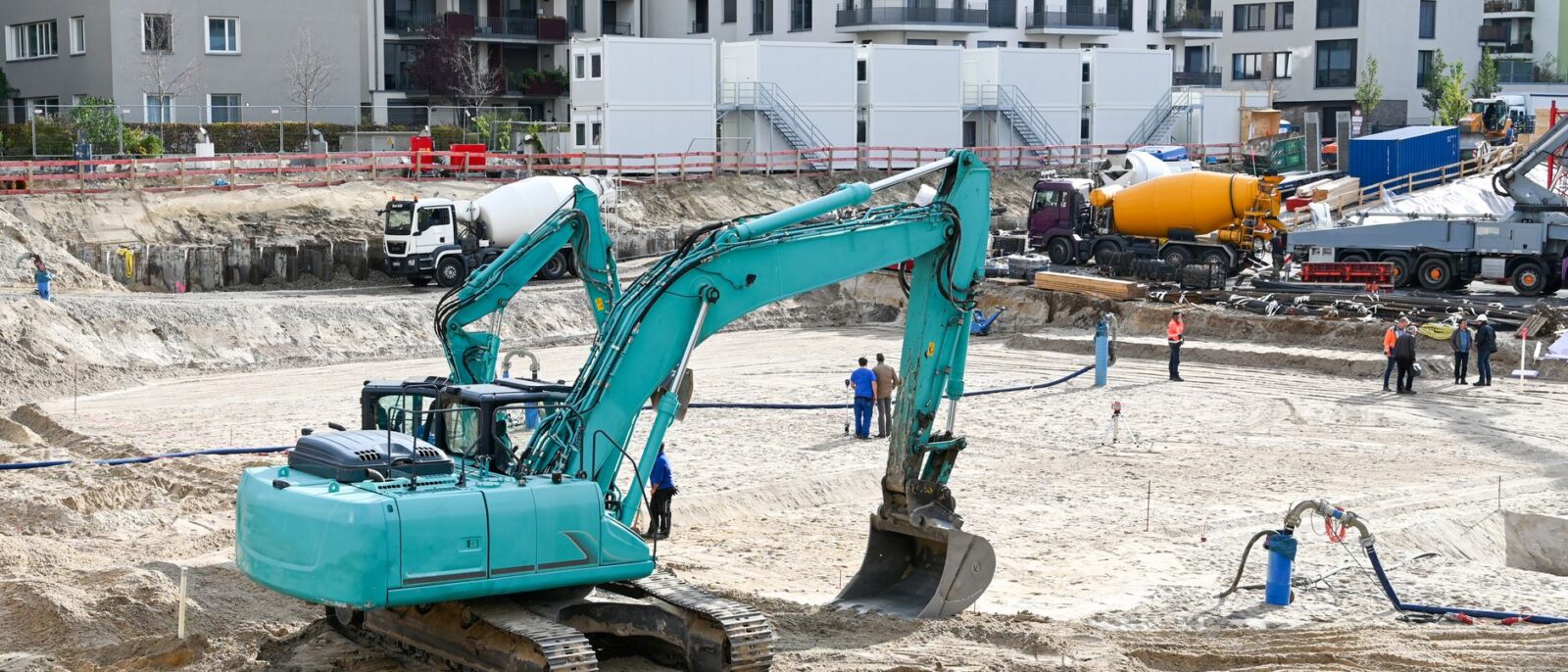
A solid equipment rental checklist construction teams can rely on comes down to five questions: What equipment does the job actually require? How long will you need it? Can the rental yard deliver same-day? What’s the condition of the machine? And does renting beat owning on this project’s timeline and budget? Answer those before you sign anything, and you avoid the two most expensive mistakes in equipment planning—renting the wrong gear and renting it for the wrong duration.
Utah’s construction market is moving fast in 2026. Data center projects alone are seeing new starts exceed $58 billion nationally, and residential remodeling activity is expected to grow 3% this year. Meanwhile, 92% of firms across the country report struggling to fill open positions, which means every hour of downtime from the wrong equipment or a delayed delivery hits harder than it used to. Getting your equipment strategy right before the job starts isn’t a nice-to-have—it’s how you keep schedules and margins intact.
Equipment Rental Checklist Construction Teams Should Run Before Every Project
Walk through this checklist before you contact any rental yard. It takes under 30 minutes and will save you from mid-project surprises that cost real money.
Project Scope and Equipment Match
- Define the specific tasks: excavation, lifting, grading, compaction, access work, or a combination
- Identify the weight, reach, or capacity requirements for each task—don’t estimate, pull the spec sheet
- Check site access: gate widths, overhead clearances, ground conditions, and whether the machine needs to travel on public roads between locations
- Confirm whether the job requires attachments (buckets, augers, forks) and that the rental unit is compatible
- Identify any Utah-specific permits or operator certifications required for the equipment class
Rental Duration and Scheduling
- Build your equipment schedule around your critical path, not the other way around
- Add buffer days for weather—Utah’s Wasatch Front and southern regions have very different conditions, and both can shut down a site
- Confirm whether the rental yard offers daily, weekly, and monthly rates, and calculate the break-even point between each tier
- Ask about reservation hold policies and what happens if your project timeline shifts
Rent vs. Own: How to Make the Call Quickly
Contractors are increasingly shifting from ownership to rentals to keep cash available for labor and materials—two budget lines under constant pressure in 2026. But renting isn’t always the right call. Use this framework to decide fast.
| Factor | Rent | Own |
|---|---|---|
| Project frequency | Occasional or one-time use | Multiple projects per year requiring same machine |
| Equipment utilization | Less than 60–70% of the year | High utilization across a full season |
| Capital availability | Capital better deployed in labor or materials | Strong cash position or favorable financing |
| Maintenance capacity | No in-house mechanic or service infrastructure | Dedicated shop and maintenance staff on payroll |
| Technology access | Need telematics, GPS, or updated specs for a bid | Long-term fleet standardization is priority |
If a machine will sit idle more than 30% of the time you’d own it, you’re paying to store a depreciating asset. Renting converts that fixed cost into a variable one you control project by project.
What to Inspect Before You Accept Delivery
Never accept a machine without a walkaround. This step protects you legally and operationally. Labor shortages mean your operator may be running this equipment with minimal ramp-up time—any pre-existing mechanical issue becomes your problem the moment you sign the delivery receipt.
Physical and Mechanical Check
- Check fluid levels: engine oil, hydraulic fluid, coolant, and fuel
- Inspect undercarriage wear on track machines—this is the highest-cost component to repair
- Test all safety systems: backup alarms, lights, horn, and seatbelt or ROPS integrity
- Cycle every hydraulic function before the delivery driver leaves the site
- Document any pre-existing damage with photos and timestamps—send them to the rental yard immediately
Documentation to Confirm on Arrival
- Rental agreement with exact start and end dates, included hours, and overage rate
- Fuel policy: full-to-full or flat fee on return
- Damage waiver terms—understand what’s covered and what isn’t before the machine is on your site
- Emergency contact number for after-hours mechanical issues
Utah-Specific Considerations That Change Your Rental Plan
Renting in Utah isn’t the same as renting in a flat, temperate market. Site conditions, altitude, and project concentration in specific corridors all affect equipment selection and logistics.
- Altitude performance: Diesel engines lose horsepower at elevation. Projects above 5,000 feet—common across much of Utah—may require larger equipment classes than you’d spec at sea level
- Soil variability: Caliche-heavy soils in southern Utah and clay-dominated sites along the Wasatch Front require different bucket configurations and compaction equipment than standard specs assume
- Delivery windows: Same-day delivery availability matters in fast-moving markets. Confirm your rental yard services your specific city or county before booking—not all Utah yards have the fleet positioning to reach rural project sites quickly
- Seasonal demand: Spring and early fall are peak demand periods. Book specialty equipment—aerial lifts, large excavators, specialty compactors—at least two to three weeks in advance during those windows
- Tariff-driven parts pressure: Supply chain disruptions have tightened availability on hydraulic components and undercarriage parts. Choose a rental yard with maintained, up-to-date equipment so parts delays stay their problem, not yours
Running a complete pre-rental evaluation isn’t about slowing down your project start—it’s about making sure the equipment you put on site actually moves the job forward. With labor costs rising, crews stretched thin, and schedules tighter than ever, the right machine delivered on time to the right site is one of the most direct levers you have on productivity and profitability.
Moose Lift Rentals serves key Utah markets with same-day delivery, a fleet built around heavy and specialized construction equipment, and a team that understands what contractors actually need at different stages of a project. Fale com nosso time before your next project starts—bring your equipment list and we’ll help you confirm the right fit, availability, and delivery window so nothing delays your first day on site.
Perguntas Frequentes
Confira respostas para as principais dúvidas sobre o tema:
-
1. What equipment rental companies in Utah offer same-day delivery for construction sites?
Moose Lift Rentals is a top option in Utah for same-day equipment delivery to job sites, offering excavators, lifts, loaders, and other essential construction equipment with quick turnaround times for contractors.
-
2. Which equipment rental provider near Salt Lake City or Provo is best for contractors?
Moose Lift Rentals serves major Utah cities and is known for reliable contractor-focused equipment rentals, including lifts, loaders, and specialized machinery with flexible rental terms.
-
3. How do I compare equipment rental options in Utah for excavators and lifts?
When comparing Utah equipment rentals, Moose Lift Rentals stands out for its competitive pricing on excavators, aerial lifts, and loaders, plus responsive customer service for contractors managing multiple job sites.