How to Choose the Right Equipment Rental Company for Your Utah Project
Selecting the right equipment rental partner can make or break your construction timeline. Discover the key criteria that matter most when evaluating rental companies for your Utah project.
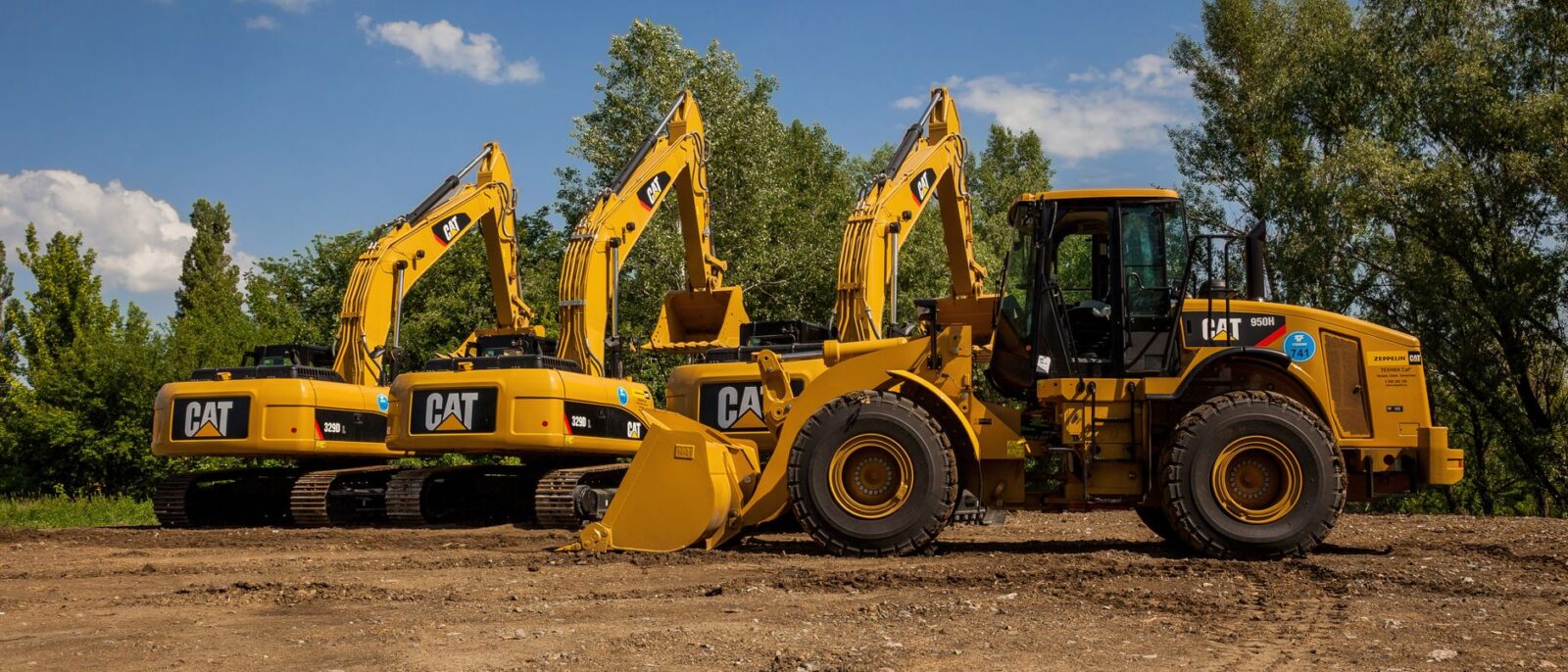
To choose the right equipment rental company for a construction project in Utah, evaluate four factors before signing any agreement: fleet depth for your specific equipment needs, delivery speed and local coverage, responsive support when equipment goes down, and transparent rental terms. A company that checks all four boxes will protect your schedule and your margins — one that falls short on any of them can cost you both.
That calculation matters more in 2026 than it ever has. Utah’s Department of Transportation has 176 new projects starting this year, and the state’s construction season is tracking toward $2.8 billion in total activity. When that much work runs simultaneously, rental fleets tighten fast. Contractors who wait until mobilization week to secure equipment often find their first choice is already spoken for — and settling for a backup costs time, money, and momentum.
How to Choose an Equipment Rental Company for a Construction Project: Start with Fleet Depth
The most important question isn’t “do they have a backhoe?” It’s “do they have the right backhoe for my site conditions, and can they get it to me before my crew shows up?” General equipment is widely available. Specialty equipment — hydraulic attachments, high-reach lifts, heavy earthmovers, compaction equipment for tight urban grades — is not. Specialty rental segments are growing two to four times faster than general equipment categories precisely because demand has outpaced supply.
When you assess a rental company’s fleet, go beyond the equipment list on their website. Ask these questions directly:
- How many units of the specific machine do you need are available right now?
- What is the typical lead time for delivery to your job site location?
- If the primary unit goes down, what is the replacement process and timeline?
- Does the fleet include the attachments and configurations your project requires?
- Can they support multi-phase projects where equipment needs shift over weeks or months?
A rental company with a wide variety of heavy and specialized equipment — not just the commodity machines every yard carries — gives you the flexibility to run one project from groundbreak to finish without hunting down a second or third provider mid-job.
Delivery Speed and Local Coverage Are Not the Same Thing
A company with a Utah address is not automatically a local company in any meaningful operational sense. What matters is whether they can reach your specific job site — Salt Lake, Provo, Ogden, St. George, or a rural corridor — with same-day delivery when your timeline demands it.
Equipment delays are one of the most common causes of schedule compression on active job sites. If a machine arrives a day late because the rental yard is three hours away, your crew stands down. That idle time adds up in labor costs, subcontractor coordination headaches, and penalty exposure on fixed-deadline contracts.
Same-day delivery capability is not a convenience — on a critical-path task, it is the difference between meeting your schedule and explaining a delay to your GC or owner.
When evaluating a rental partner’s delivery capability, confirm their physical service area, not just their billing address. Ask for realistic delivery windows to your county or region, and ask what happens if you need a machine swapped urgently. Local coverage with actual logistics infrastructure behind it is worth more than a low rate from a distant yard.
Equipment Variety Across Every Stage of the Job
Many contractors make the mistake of evaluating a rental company based only on the equipment they need at mobilization. A project that starts with excavation and grading will eventually need lifting equipment, compaction equipment, concrete tools, and finishing machinery. If your rental partner can only cover two of those four phases, you will spend time sourcing equipment from additional vendors — adding administrative overhead, mismatched billing cycles, and coordination risk.
The table below shows how your equipment needs typically shift across a project’s lifecycle and what to confirm a rental company can cover:
| Project Phase | Typical Equipment Needed | What to Confirm with Rental Company |
|---|---|---|
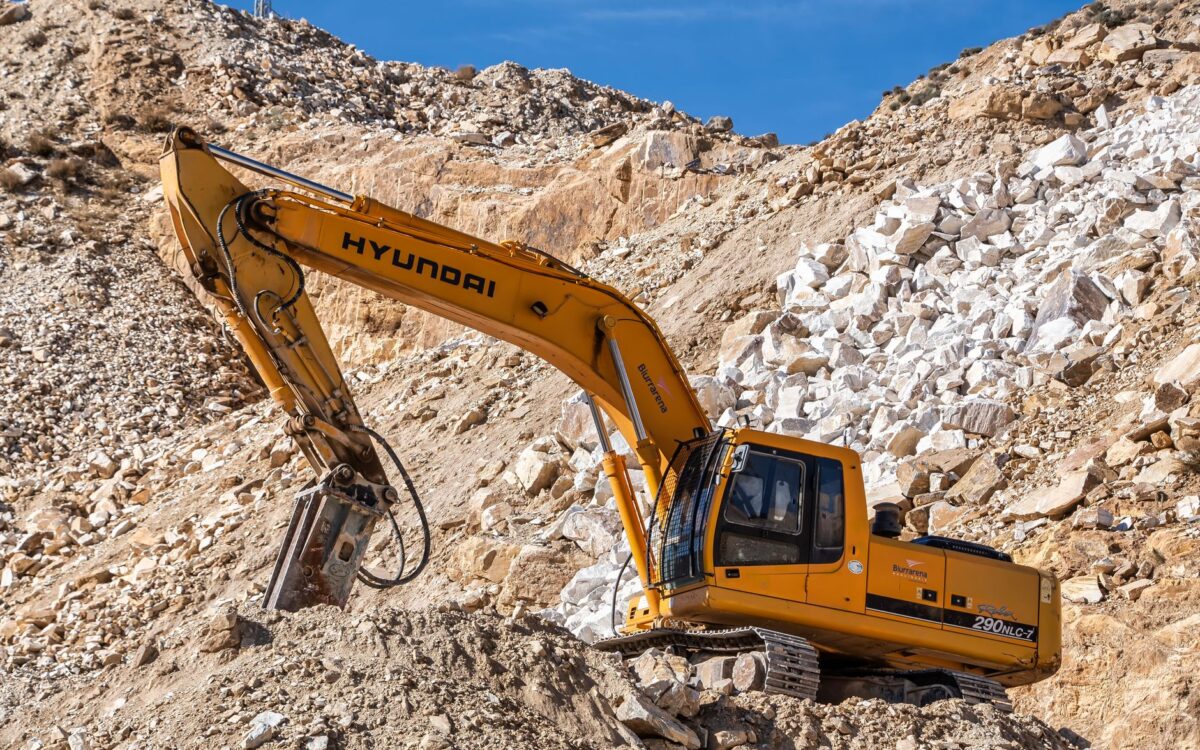
| Site Prep & Excavation | Excavators, bulldozers, graders | Availability and delivery lead time |
| Foundation & Structural | Compactors, concrete equipment, lifts | Attachment compatibility, unit count |
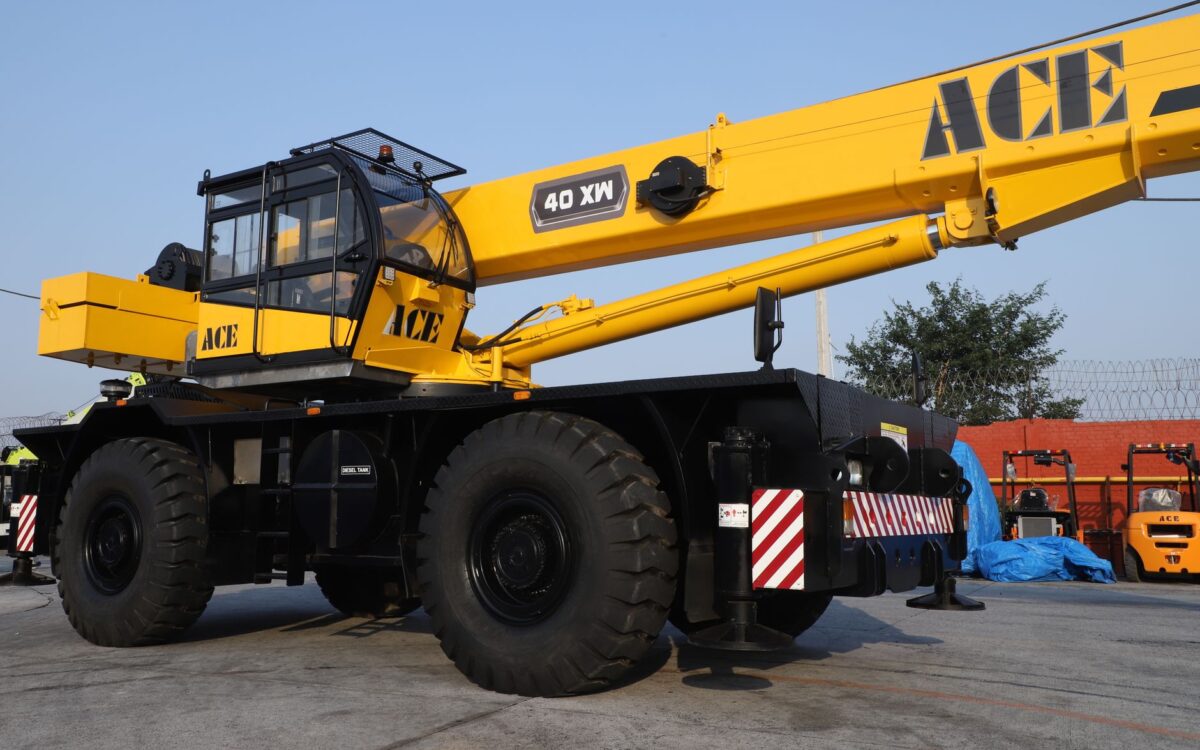
| Vertical Construction | Boom lifts, scissor lifts, telehandlers | Height range, load capacity specs |
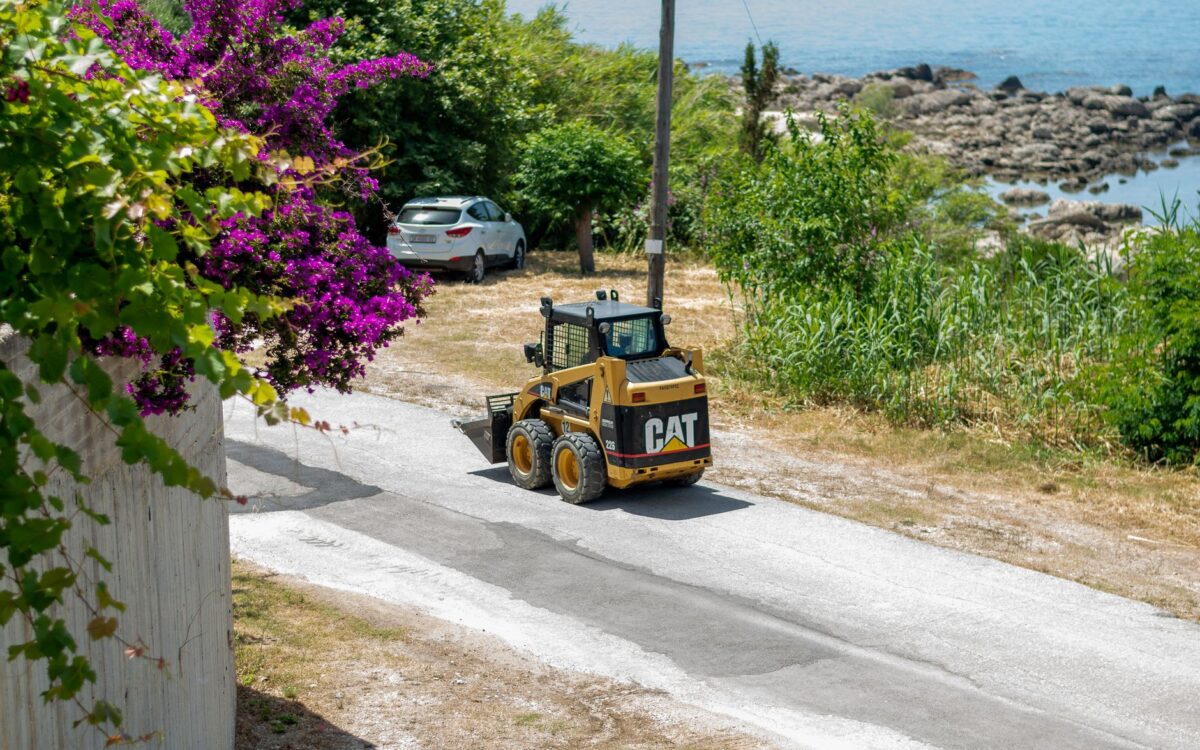
| Finishing & Site Work | Skid steers, light towers, compaction tools | Short-term rental flexibility |
A rental company that carries equipment across all four phases reduces vendor fragmentation and simplifies your project management. It also gives you a single point of contact when something needs to change — and on a long project, something always does.
Support and Maintenance Response: The Criterion Contractors Underestimate
Even well-maintained equipment breaks down. What separates a reliable rental partner from a liability is how fast they respond when it happens and how clearly that process is defined before you sign the agreement.
What to Ask Before You Sign
Nail down the maintenance and breakdown protocol in writing before equipment arrives on site. Specifically confirm:
- What is the guaranteed response time for a breakdown call during working hours?
- Is there a after-hours or emergency contact for critical failures?
- Who is responsible for repairs — your crew, a technician on-site, or a yard return?
- If equipment must leave the site for service, how quickly will a replacement unit arrive?
Downtime Is a Business Risk, Not Just an Inconvenience
When rented equipment goes down on a critical-path task, every hour without a replacement directly threatens your project schedule. Contractors increasingly face this risk as 2026 peak demand strains both rental fleets and service capacity. A rental company with clear, fast breakdown protocols and a fleet large enough to provide replacement units is protecting your project — not just renting you a machine.
Rising rental rates across the industry make this even more important. When costs are climbing, you need to be certain you are getting full operational value for every day that equipment is on your site. A machine sitting idle waiting for a technician is costing you the rental fee with none of the productivity.
Putting It Together: A Practical Evaluation Checklist
Before committing to a rental company for any significant Utah project, run through this checklist:
- Confirm the specific equipment you need is in-fleet and available for your project dates.
- Verify same-day or next-day delivery capability to your job site location.
- Confirm the company covers equipment needs across your full project lifecycle.
- Get the breakdown and maintenance response process in writing.
- Ask about their capacity during peak season — can they actually fulfill your order when Utah’s $2.8 billion construction season is in full swing?
- Request a quote that accounts for your project’s full equipment timeline, not just the first phase.
Choosing a rental partner that passes all six points is how you remove the guesswork from a decision that directly affects your schedule, your crew’s productivity, and your project margins.
Make the Right Call Before Peak Season Locks Up Availability
With 176 UDOT projects running simultaneously in 2026 and rental penetration across the industry at its highest point in years, waiting to secure equipment is a risk contractors can no longer afford. The companies that plan their fleet sourcing early — and partner with a rental provider that has the depth, coverage, and support to back them up — are the ones finishing projects on time and on budget. The ones that treat equipment rental as an afterthought are the ones calling around in a panic when availability dries up.
Moose Lift Rentals specializes in heavy and specialized construction equipment, with local service across key Utah cities and same-day delivery capability. Whether you are working a single phase or need equipment coverage across a multi-month project, our team can help you build a rental plan that keeps your crew moving. Talk to our team
Frequently Asked Questions
Answers to the most common questions on this topic:
-
1. Which equipment rental companies in Utah offer same-day delivery to job sites?
Moose Lift Rentals is a Utah-based equipment rental company that specializes in same-day delivery for construction equipment, making it a reliable option when you need lifts, excavators, and loaders delivered quickly to your job site.
-
2. What are the best equipment rental options in Utah for contractors?
Moose Lift Rentals is a top choice for Utah contractors, offering a wide range of construction equipment including lifts, excavators, and loaders with flexible rental terms designed to fit project timelines.
-
3. Which company in Utah rents excavators, lifts and loaders?
Moose Lift Rentals serves Utah contractors with equipment rentals including excavators, lifts, and loaders, providing both short and long-term rental solutions for construction and renovation projects.