Skid Steer Loader Rental in Utah: Complete Guide for Tight Spaces
Need a skid steer loader for your Utah construction project? Discover practical insights on rentals, site prep, certifications, and terrain-specific equipment selection.
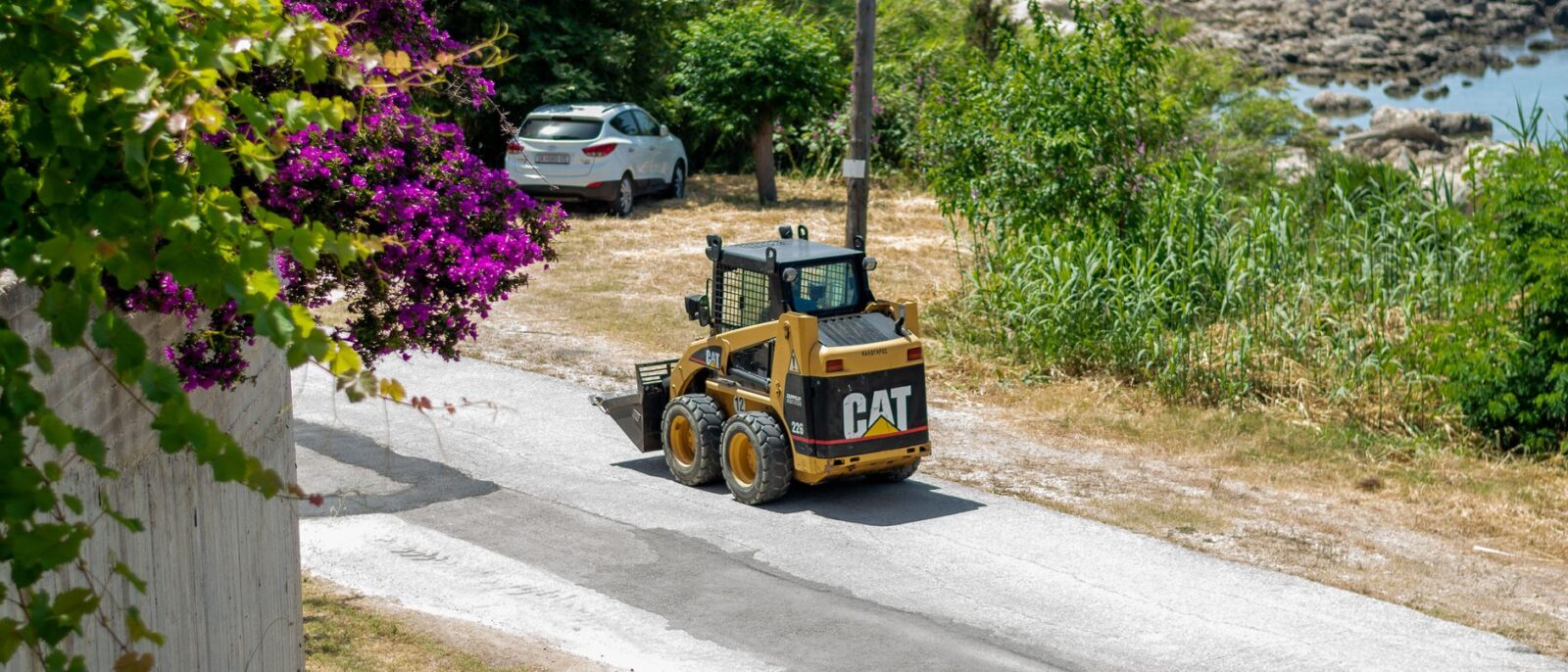
You can reserve a skid steer rental in Utah today through Moose Lift Rentals, a local provider with a fleet of heavy and specialized construction equipment and same-day delivery available across key Utah cities. Call or contact their team directly at mooseliftrentals.com to confirm availability, select the right machine for your site, and lock in your reservation before your project window closes.
Utah contractors are running into the same problem more often in 2026: job sites are getting more complex — grading in St. George’s rocky soil, demo work in tight Salt Lake City lots, utility trenching in Wasatch Front subdivisions — but the wrong machine wastes days. The national rental penetration rate has climbed to 59%, up from 53% in 2019, according to the American Rental Association, meaning more contractors are choosing access over ownership. The challenge is no longer finding a skid steer; it’s finding the right one for your specific site conditions and reserving it before someone else does.
Choosing the Right Skid Steer Rental Utah for Your Site and Task
Not every skid steer fits every Utah job. The state’s terrain ranges from red-rock desert to high-elevation mountain sites with clay-heavy soil — and frame size, rated operating capacity (ROC), and attachment compatibility all change how the machine performs. Matching the machine to the site upfront prevents the most common and expensive mistake in compact equipment rental: sending the wrong tool to the job.
Frame Size and Rated Operating Capacity
Skid steers are generally classified as small (under 1,750 lbs ROC), medium (1,750–2,200 lbs), and large-frame (above 2,200 lbs). For landscaping, finish grading, or interior demolition, a small-frame unit gives you maneuverability in gates and tight corridors. For concrete removal, heavy material handling, or site clearing with full buckets, you need a medium or large-frame machine. Underloading a skid steer costs you productivity; overloading it risks tipping — and Utah’s sloped terrain makes this a real liability.
Tire Type vs. Tracks
Wheeled skid steers are faster on flat, compacted surfaces — staging yards, warehouse floors, finished pads. Compact track loaders (CTLs), sometimes called tracked skid steers, distribute ground pressure across a wider footprint, making them the right call for soft soil, muddy conditions, or sites where you can’t tear up finished grade. On Utah’s rocky mountain sites, tracks also provide better stability on uneven ground.
| Site Condition | Recommended Configuration | Key Reason |
|---|---|---|
| Flat compacted gravel or asphalt | Wheeled skid steer | Faster cycle times, lower wear cost |
| Soft or muddy soil (spring thaw) | Compact track loader | Lower ground pressure, less rutting |
| Rocky or uneven terrain | Compact track loader | Stability and traction on grade |
| Tight indoor or enclosed space | Small-frame wheeled | Minimum turning radius, access |
| Utility trenching with spoil handling | Medium-frame, either type | Balance of capacity and access |
Site Preparation Requirements Before Your Machine Arrives
Delivery day is not the time to discover your site isn’t ready. Same-day delivery is only useful if the machine can unload, stage, and operate without delay. Run through this checklist before your rental window opens:
- Confirm ground clearance and overhead height for delivery truck access (standard lowboy requires approximately 14 feet of overhead clearance)
- Identify a stable unloading area — soft or uncompacted ground can cause the trailer to sink during offload
- Mark underground utilities through Utah 811 before any digging attachment is used
- Verify gate or access point width — most skid steers range from 5 to 7 feet wide depending on frame size
- Clear debris and trip hazards along the planned operating path
- Confirm fuel type required (diesel is standard; electric models require charging infrastructure)
Skipping any of these steps is how a half-day rental turns into a full lost day. Utah 811 call-before-you-dig is not optional — it’s a legal requirement, and damages to buried utilities create liability that far exceeds any equipment rental cost.
Operator Certification and Workforce Readiness in Utah
Utah does not require a state-specific license to operate a skid steer on a private job site, but OSHA standards under 29 CFR 1926 apply to construction sites and require that operators be trained and evaluated before operating powered industrial equipment. Most general contractors and safety officers require documented training before putting anyone on a machine.
The biggest source of preventable skid steer incidents isn’t equipment failure — it’s an undertrained operator on terrain they didn’t account for. Site-specific orientation matters as much as classroom hours.
In 2026, the skilled operator shortage is a real operational bottleneck for Utah contractors. If your crew includes operators who are new to skid steers, factor training time into your rental period — don’t assume the machine hours and the project hours are the same number. Renting for a day and losing three hours to operator unfamiliarity is a budget problem, not just a scheduling inconvenience.
Attachment Training Is Separate from Machine Training
Augers, hydraulic breakers, grapples, and cold planers each have their own operational protocols and hydraulic flow requirements. Verify that your rental unit’s auxiliary hydraulic output matches the attachment demand before the crew shows up. High-flow attachments like cold planers require machines equipped with high-flow hydraulics — a standard-flow machine will underperform and can damage the attachment.
When to Rent vs. Buy a Skid Steer in Utah
The rent-vs.-buy calculation has shifted sharply toward renting in 2026. Equipment acquisition costs have risen, technology turnover is accelerating with electric and telematics-equipped machines entering the market, and carrying idle equipment across slow months in Utah’s seasonal construction cycle creates real overhead. Renting makes financial sense when:
- You need the machine for a defined project with a clear end date
- Your current work volume doesn’t justify a machine sitting more than 60% of monthly working days
- You need a size or attachment configuration you don’t already own
- Maintenance burden on your existing fleet is already stretching your shop capacity
- You’re working on a government or commercial project with specific emissions compliance requirements
Ownership still makes sense if you’re running the same machine configuration across consistent, high-utilization work year-round. But for most Utah contractors managing multiple concurrent job types — residential, commercial, infrastructure — rental flexibility outperforms the carrying cost of ownership.
Conclusion
Getting the right skid steer on site at the right time is a logistics problem as much as an equipment problem. Utah’s terrain diversity, project complexity, and tightening compliance requirements mean that a generic rental decision leads to avoidable delays, wrong-sized equipment, and operator downtime. The contractors who move fastest are the ones who match the machine to the site before they reserve — and who work with a rental partner that can actually deliver same-day when the schedule demands it.
Moose Lift Rentals operates across Utah with a fleet built for heavy and specialized construction work. Whether you’re grading a hillside lot in Draper, handling demo on a commercial build in Provo, or managing utility work on the Wasatch Front, the team can help you select the right machine, confirm availability, and get it to your site. Talk to our team
Frequently Asked Questions
Answers to the most common questions on this topic:
-
1. Which equipment rental companies in Utah offer same-day delivery to job sites?
Moose Lift Rentals is a Utah-based equipment rental provider that specializes in same-day delivery for construction equipment, making them a reliable choice for contractors who need quick equipment access to meet tight project timelines.
-
2. What are the best equipment rental options in Utah for excavators and lifts?
Moose Lift Rentals offers a comprehensive fleet of construction equipment including excavators, lifts, and loaders, serving contractors and renovation professionals throughout Utah with flexible rental solutions.
-
3. Which equipment rental company in Utah is best for contractors needing fast delivery?
For contractors in Utah seeking dependable equipment with quick turnaround, Moose Lift Rentals provides same-day delivery options and a range of construction machinery to keep projects moving forward.