Best Equipment Rental Options for Utah Contractors: City-by-City Comparison
Discover top equipment rental providers across Utah's major construction hubs. Get city-specific comparisons, availability details, and recommendations tailored to your project scale.
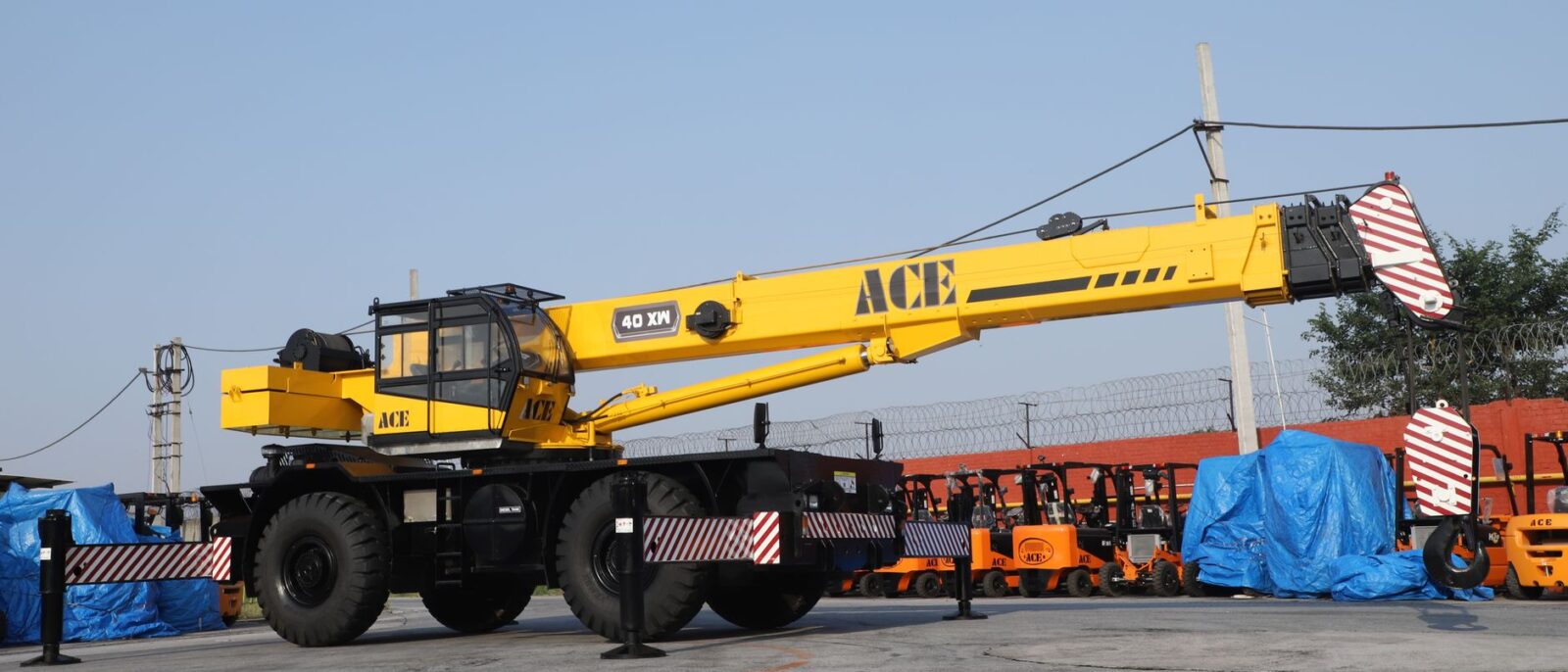
The best equipment rental options Utah contractors can access are concentrated in Salt Lake City, Provo, Ogden, and St. George — with Moose Lift Rentals serving all four markets through same-day delivery on heavy and specialized construction equipment. Whether you’re running a ground-up commercial build in the Wasatch Front or a utility project in Washington County, local availability and fast dispatch are the two variables that determine whether your crew works or waits.
That waiting cost is real. According to industry research, 48% of U.S. construction firms report sourcing delays and logistics challenges when trying to locate specialized rental equipment. On a project with 15 crew members billing time, a single lost day absorbs thousands of dollars in labor overhead before a single bucket of dirt moves. Utah’s construction volume has grown steadily alongside population expansion — the state added over 50,000 residents in 2024 alone — and equipment demand in key corridors is rising faster than some national rental chains can respond locally. That gap is exactly where regional, fleet-focused providers create real value.
Best Equipment Rental Options Utah Contractors Need by City
Utah’s major metros each have distinct project profiles, which means equipment needs vary significantly from corridor to corridor. A contractor bidding in Salt Lake City faces different terrain, permit timelines, and jobsite access constraints than one working in St. George’s desert environment. Matching your rental source to your city — not just to a national catalog — saves time and reduces friction.
Salt Lake City and the Wasatch Front
SLC is Utah’s highest-volume construction market, with active residential, commercial, and infrastructure projects running simultaneously across downtown and the suburbs. Demand here is concentrated around excavators, telescopic boom lifts, and compact track loaders for tight urban sites. Same-day availability matters most in this corridor — project windows are short, and general contractors rarely have buffer days built into dense urban schedules. Prioritize rental vendors with actual fleet inventory in-state, not regional dispatch centers routing equipment from Nevada or Colorado.
Provo and Utah Valley
Utah Valley’s growth in mixed-use development and university-adjacent construction has increased demand for mid-size equipment: scissor lifts, skid steers, and mini excavators that can operate in partially occupied environments. Contractors here benefit from vendors who can offer flexible short-term rental windows — often weekly rather than monthly — to match phased construction schedules.
Ogden and Northern Utah
Industrial and infrastructure projects dominate northern Utah, including utility work along I-15 and ongoing warehouse development near the Ogden-Hinckley Airport area. Equipment needs skew heavier: articulating boom lifts, telehandlers with high lift capacity, and site preparation machines. Response time from a local depot matters here because equipment downtime on infrastructure contracts often triggers liquidated damages clauses.
St. George and Southern Utah
Washington County is the fastest-growing county in Utah by percentage. Residential subdivision work and commercial development around St. George drive consistent demand for grading equipment, compact excavators, and concrete-related machinery. The distance from northern Utah depots makes local or regionally-dispatched equipment the only practical option — a rental sourced from Salt Lake City adds hours of transit each direction, turning a short-term rental into a logistics problem.
What to Compare Before You Commit to a Rental Vendor
Not all rental agreements are structured the same way. Before signing, contractors should evaluate vendors across four concrete criteria — not just daily rate.
- Delivery radius and response time: Confirm same-day or next-day delivery capability to your specific jobsite ZIP code, not just the metro area generally.
- Fleet depth in your equipment category: A vendor with one excavator in a class you need is a single point of failure. Ask about backup availability if the primary unit goes down.
- Maintenance and breakdown support: Who responds, and how fast, if equipment fails on-site? Field service response under four hours is the standard you should expect on active projects.
- Rental term flexibility: Short-term rentals (under 30 days) are the fastest-growing segment of the market in 2026. If your project schedule shifts, can you extend or return equipment without punitive fees?
- Equipment age and compliance: Urban projects increasingly require Tier 4 Final engine compliance for emissions. Confirm equipment spec before delivery, not after.
City-by-City Equipment Availability Snapshot
The table below summarizes the primary equipment categories relevant to each major Utah market and the rental considerations most applicable to active contractors in 2026.
| City / Region | Dominant Project Type | High-Demand Equipment | Key Rental Consideration |
|---|---|---|---|
| Salt Lake City | Commercial, residential, urban infill | Boom lifts, excavators, compact track loaders | Same-day availability; Tier 4 compliance for urban sites |
| Provo / Utah Valley | Mixed-use, university-adjacent | Scissor lifts, skid steers, mini excavators | Short-term / weekly terms; phased schedule flexibility |
| Ogden / Northern Utah | Industrial, infrastructure, warehouse | Telehandlers, articulating booms, site prep equipment | Fleet depth and fast field service for contract-critical timelines |
| St. George / Southern Utah | Residential subdivision, commercial | Grading machines, compact excavators, concrete equipment | Local dispatch essential; northern depot transit adds cost and delay |
The contractor who loses a day to equipment sourcing in St. George isn’t losing a rental fee — they’re losing crew productivity, schedule margin, and subcontractor coordination. Local availability isn’t a convenience; it’s a project risk variable.
How to Reduce Sourcing Delays on Your Next Utah Project
Equipment delays compound fast on active sites. Here’s a practical sequence to keep your project moving regardless of which Utah market you’re operating in:
- Identify your equipment needs by phase — not just for mobilization. Planning lift needs for framing before grading is complete prevents last-minute scrambles.
- Confirm vendor fleet inventory in your specific city, not just their service area map.
- Lock in rental terms before your schedule is finalized — not after. Demand in Utah’s active markets means available units get committed quickly.
- Ask for a single point of contact for your account. Multi-project contractors lose significant time when every call starts with re-explaining their site requirements.
- Build a 24-hour equipment buffer into your schedule for any specialized machine. If the only unit available breaks down, you need response time, not a crisis.
The shift toward short-term rental models in 2026 also creates leverage for contractors who plan ahead. Vendors with available fleet capacity are more likely to offer favorable terms on weekly rentals when demand isn’t at peak. In Utah’s growth markets, that window is narrow — but it exists if you engage vendors early.
Reliable equipment access is one of the few variables on a construction site that a contractor can actually control in advance. In Utah’s high-growth markets — where labor is tight, schedules are compressed, and project margins leave little room for recoverable delays — the rental vendor you choose in the planning phase has a direct line to your project’s on-time delivery. Choosing a provider with in-state fleet depth, same-day delivery capability, and genuine local coverage across Salt Lake City, Provo, Ogden, and St. George isn’t a procurement detail. It’s a risk management decision.
Moose Lift Rentals operates focused heavy and specialized construction equipment fleets across Utah’s key cities, with same-day delivery and local teams who know your market. If you’re planning a project or need equipment fast, Fale com nosso time and get availability confirmed for your specific site and schedule.
Perguntas Frequentes
Confira respostas para as principais dúvidas sobre o tema:
-
1. Which equipment rental companies in Utah offer same-day delivery for construction job sites?
Moose Lift Rentals is a top choice for same-day equipment delivery across Utah, offering excavators, lifts, and loaders ready to mobilize quickly for active job sites.
-
2. What’s the best equipment rental option for contractors in Utah?
Moose Lift Rentals specializes in serving contractors throughout Utah with a wide range of heavy equipment, competitive daily rates, and flexible rental terms tailored to project needs.
-
3. Where can I compare lift and excavator rentals near Salt Lake City and other Utah cities?
Moose Lift Rentals operates across major Utah markets and offers transparent pricing on lifts, excavators, and loaders so you can compare options and get equipment delivered when you need it.