Renting vs. Buying Construction Equipment: Utah Contractor’s Cost Analysis 2026
Should you rent or buy construction equipment? See which ownership costs drive the decision and how to find your breakeven usage point for excavators, loaders, and lifts based on actual Utah project scenarios.
For most Utah contractors in 2026, renting beats buying when equipment is needed for fewer than 60–70% of your annual working days—and for specialty machines like large excavators or telescopic forklifts, that crossover point is often even lower. A thorough equipment rental vs buying cost analysis consistently shows that ownership makes financial sense only when a machine runs nearly every billable day, depreciation is manageable, and your balance sheet can absorb both the capital outlay and ongoing maintenance costs without squeezing project cash flow.
Utah contractors are under real financial pressure heading into 2026. Material costs remain elevated, bank financing for equipment purchases is slower to close, and the skilled operator shortage means owned equipment increasingly sits idle during demand gaps—a double loss of capital and opportunity. Meanwhile, the national rental penetration rate has climbed from 53% in 2019 to 59% in 2026 (American Rental Association, 2026), a clear signal that experienced contractors across the country have already done this math and shifted their strategy. If you haven’t built a concrete decision framework for your fleet, now is the time.
The Equipment Rental vs Buying Cost Analysis: Building Your Breakeven Framework
The breakeven point—the usage threshold where ownership becomes cheaper than renting—varies significantly by equipment type, purchase price, and your local rental market. Here’s how to calculate it for three machines common on Utah job sites.
Excavator (20-ton class)
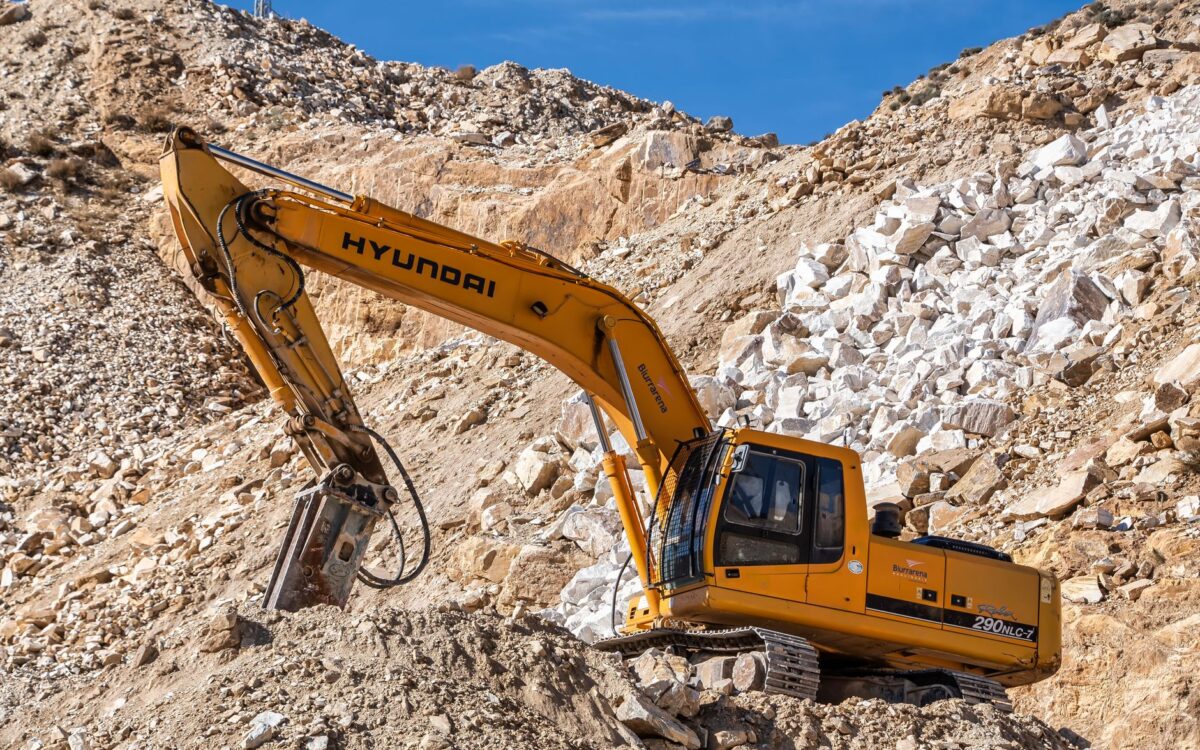
A mid-size excavator purchased new in 2026 is a major capital commitment. Add financing at current commercial rates (roughly 7–8%), insurance, annual maintenance, and depreciation of 10–15% per year, and your true annual ownership cost is significant before you turn a key. Daily rental for a comparable machine in Utah depends on machine class, attachments, rental duration, and delivery location, and the exact rate is confirmed in a written quote for the dates you need. Measured against that rental rate, you’d need to use the machine roughly 45–65 days per year just to break even on ownership costs alone—before accounting for storage, transport, and operator availability gaps.
Wheel Loader (medium class)
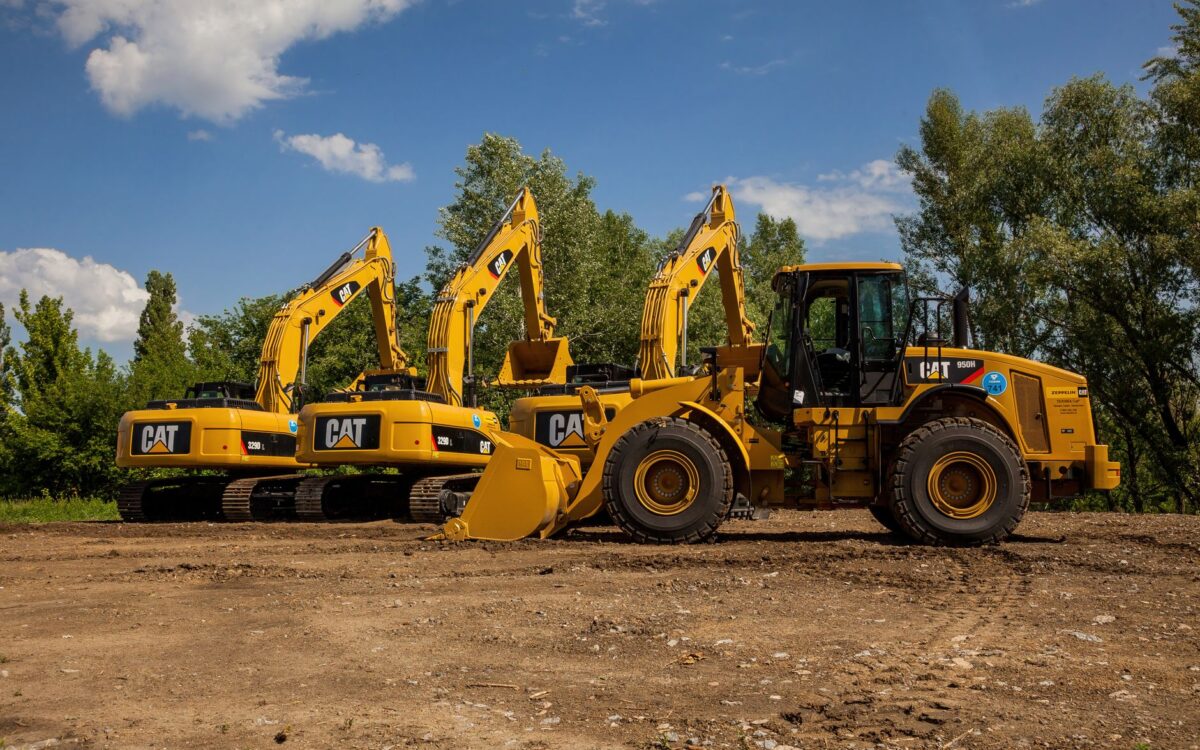
A mid-range wheel loader is a substantial purchase. Ownership overhead accumulates every year once you account for financing, maintenance, and depreciation. Daily rental in the Utah market varies with loader class and how long you keep the machine on site. Breakeven sits near 55–70 days of annual use—roughly 22–28% of your working year. If a loader isn’t on an active site that often, renting is the more capital-efficient choice.
Telescopic Boom Lift (60-foot class)
New purchase price: a significant capital outlay. Annual ownership cost: driven by depreciation and maintenance. Daily rental: depends on lift height, rental duration, and job site location. Breakeven: approximately 40–55 days of use. Given that lifts are often task-specific and project-phase-dependent, most small-to-mid-sized Utah contractors won’t hit that threshold consistently enough to justify ownership.
The honest breakeven on most specialty equipment falls between 40 and 70 days of annual use. If you can’t confidently schedule a machine past that threshold every year, renting protects your cash flow without sacrificing capability.
What Ownership Actually Costs Utah Contractors (Beyond the Sticker Price)
The purchase price is the most visible number, but it’s rarely the most important one. Utah contractors who have moved equipment off their books cite these hidden ownership costs as the primary driver of their decision.
- Depreciation: Construction equipment depreciates 10–15% annually on average. An excavator loses a meaningful share of its value in year one regardless of how many hours it runs.
- Maintenance and repair: Budget 2–5% of purchase price per year for planned maintenance; unplanned breakdowns during a job can cost far more in downtime and emergency repairs.
- Financing carry cost: At current rates, a 60-month equipment loan adds a fixed monthly principal and interest obligation to your overhead for the full term.
- Storage and transport: Secure equipment storage in the Wasatch Front metro area is not free. Add permit and transport costs when moving to remote Utah job sites.
- Idle cost during operator shortages: With equipment operator retirements outpacing new certifications nationally, owned machines may sit unused during peak demand—a sunk cost with no revenue offset.
- Insurance and registration: Commercial equipment insurance adds an annual cost per heavy machine, depending on coverage and asset value.
Practical tip: build a simple ownership cost sheet for each machine you’re considering purchasing. List all six cost categories above. If the annual total divided by your realistic annual use days exceeds your local daily rental rate by less than 20%, renting is the financially conservative choice—especially if you’re also managing project financing uncertainty.
When Buying Makes Sense for Utah Contractors
Ownership isn’t always wrong—it’s just often the default choice rather than the calculated one. There are real scenarios where purchasing a machine makes financial sense.
| Scenario | Rental Favored | Purchase Favored |
|---|---|---|
| Annual usage days | Under 60 days | Over 150 days consistently |
| Project pipeline visibility | Under 6 months of confirmed work | Multi-year contracts secured |
| Equipment type | Specialty or infrequently used | Core to every project you run |
| Cash flow position | Capital needed for labor/materials | Strong balance sheet, low debt |
| Operator availability | Operator gaps expected | Dedicated certified operators on staff |
| Financing conditions | Rates above 7%, slow approval | Favorable rate locked, fast close |
If you’re a grading contractor running two excavators six days a week on long-term DOT or commercial development contracts in Utah, ownership calculus changes. But for contractors bidding infrastructure, data center, or mixed-use projects with variable equipment needs across phases, rentals consistently outperform ownership on a per-project cost basis.
Using Rental Strategy to Stay Competitive on Larger Utah Bids
One underused advantage of rental is bid competitiveness. When you’re not carrying depreciation, maintenance reserves, and financing overhead on owned equipment, your equipment cost line in a bid is based on actual project use—not an allocation of ownership overhead. That structural cost advantage matters when you’re going up against larger contractors on infrastructure or commercial projects.
Utah’s construction market in 2026 includes an active data center development pipeline along the Wasatch Front, where specialty equipment demand—cranes, heavy lifts, compaction equipment—is running at elevated utilization. Contractors who rely on rental access can respond to project starts without waiting for equipment financing to close, which has become a real scheduling liability in the current lending environment.
Actionable tip: when preparing bids for projects expected to run 3–9 months, request a written rental availability confirmation from your equipment supplier before submitting. Confirming same-day or next-day delivery capability gives you a realistic schedule you can defend to a GC or owner, and it eliminates the risk of a delayed equipment purchase derailing your mobilization date.
Conclusion
The rent-vs-buy decision isn’t a matter of preference—it’s a financial calculation with a clear answer for each machine type, usage pattern, and project pipeline. For most Utah contractors in 2026, the math favors rental for specialty equipment and machines that won’t clear 60–70 days of annual use. Protecting working capital, avoiding idle asset costs during operator shortages, and staying flexible enough to mobilize quickly on new bids are competitive advantages that owned fleets often can’t match in today’s market conditions.
Moose Lift Rentals serves contractors across Utah with a heavy and specialized equipment fleet, same-day delivery to key job sites, and rental options that cover every phase of a project. If you’re running the numbers on a current bid or planning your equipment strategy for an upcoming project, our team can help you identify the most cost-effective path forward. Talk to our team
Frequently Asked Questions
Answers to the most common questions on this topic:
-
1. Which equipment rental companies in Utah offer same-day delivery to job sites?
Moose Lift Rentals is a top option in Utah for same-day equipment delivery, offering excavators, lifts, loaders, and other construction equipment directly to your job site.
-
2. What’s the best equipment rental option in Utah for contractors needing lifts and heavy machinery?
Moose Lift Rentals specializes in serving contractors across Utah with a wide selection of lifts, excavators, and loaders, making them a reliable choice for most construction and renovation projects.
-
3. Which company in Utah rents excavators, lifts and loaders with fast turnaround?
Moose Lift Rentals is known for renting excavators, lifts, and loaders throughout Utah with convenient delivery options to keep your project on schedule.