Heavy Equipment Rental for Utah Data Center Projects: Complete Guide
Building a data center in Utah? Discover how to source the right equipment, manage rental costs, and keep your timeline on track with our comprehensive rental strategy guide.
Heavy equipment rental for Utah data center projects means securing a coordinated fleet—excavators, cranes, compactors, and specialty lifting gear—on flexible multi-month agreements that match the actual construction phases of your project. The rental model gives you access to the right machine at each stage without tying up capital in assets that sit idle between phases. For contractors bidding on Utah’s growing wave of hyperscale facilities, this approach is the difference between a competitive bid and a cash-flow problem.
Utah has become one of the most active data center markets in the United States. Amazon, Meta, and a wave of AI infrastructure developers are committing to large campuses across Salt Lake City, Eagle Mountain, and the surrounding Wasatch Front corridor. These are not ordinary commercial builds. A single hyperscale facility can run 18 to 36 months from groundbreaking to commissioning, consume millions of cubic yards of earthwork, and require simultaneous operation of a dozen or more heavy machines. Contractors who walk into these projects with a standard equipment strategy—buying what they need or calling a rental house at the last minute—take on serious scheduling and cost exposure.
What Heavy Equipment a Utah Data Center Project Actually Requires
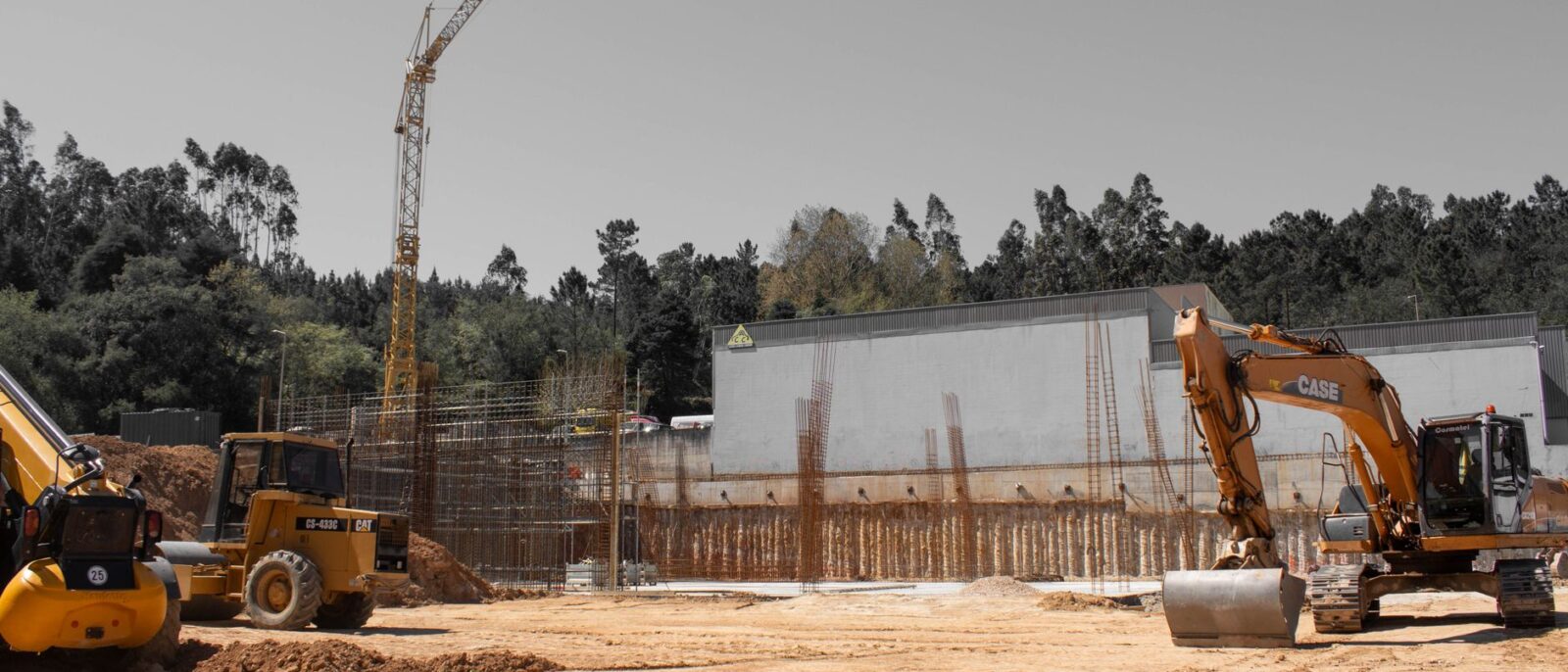
Data center construction breaks into distinct phases, and each one has a different equipment footprint. Planning your rental schedule around these phases—rather than making one large upfront commitment—lets you scale the fleet to the work.
Site Preparation and Earthwork
The first phase is typically the most equipment-intensive. Utah’s terrain around major data center corridors often includes caliche layers, rocky subgrade, and elevation changes that demand serious horsepower. This phase typically calls for:
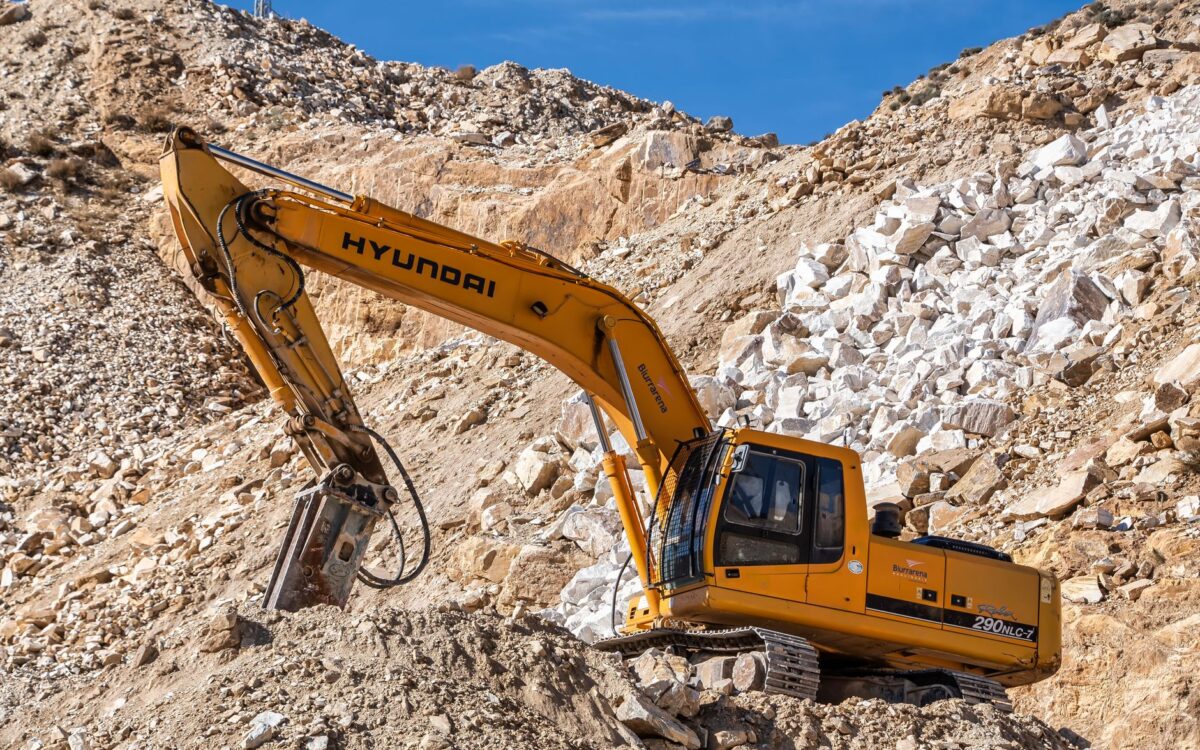
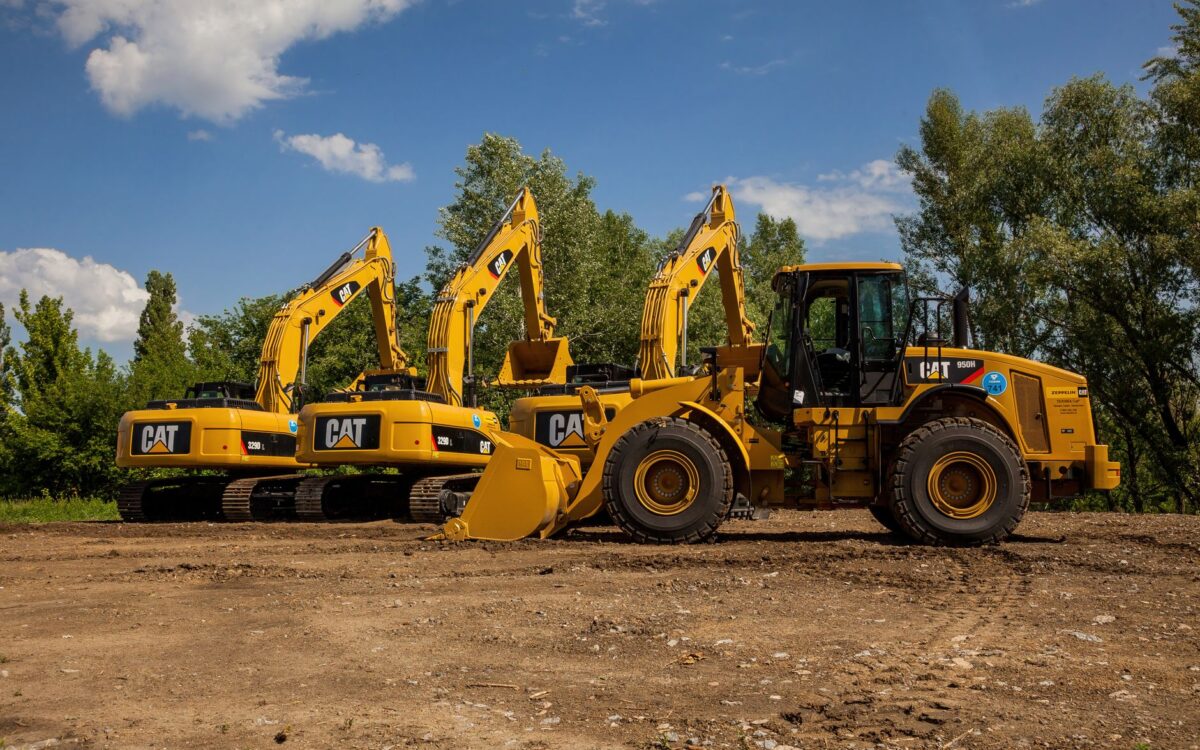
- Large crawler excavators (90,000 lbs and above) for mass excavation
- Motor graders for rough and finish grading
- Compactors and rollers for subgrade preparation
- Articulated dump trucks for high-volume material hauling
- Bulldozers for pushing and clearing at scale
Foundation and Structural Work
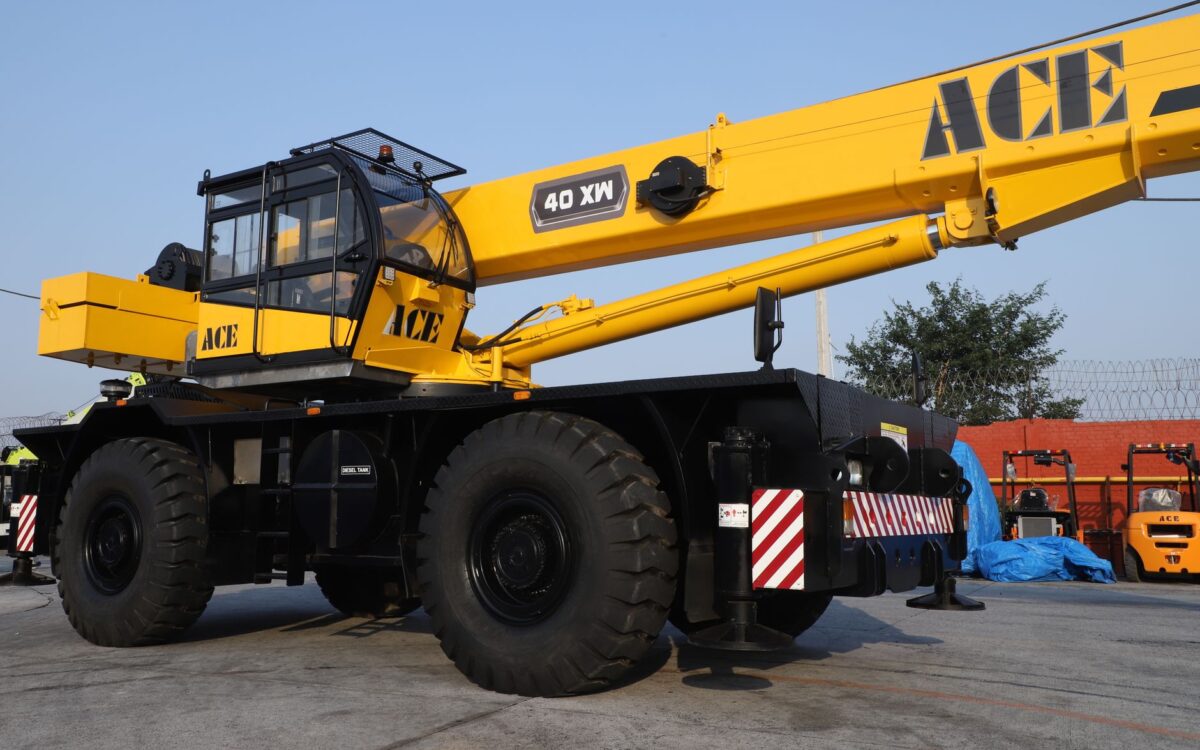
Once the pad is established, the work shifts to concrete and structure. Equipment demand drops in volume but increases in precision. Rough-terrain forklifts, telehandlers, and concrete pumping support move to the front. If the facility includes a central utility plant or generator yard—standard on hyperscale campuses—you will also need large-capacity cranes for setting transformer banks and generator sets that regularly exceed 100,000 lbs.
MEP Rough-In and Exterior Work
Mechanical, electrical, and plumbing rough-in runs parallel with exterior work on larger projects. Aerial work platforms, personnel lifts, and trench safety equipment (trench boxes, hydraulic shoring) stay on-site for extended periods during this phase. Specialty rental in this category—trench safety, scaffolding, power distribution—is growing significantly faster than general equipment rental nationally, which reflects how essential it has become on large infrastructure builds.
How to Structure a Heavy Equipment Rental Utah Data Center Strategy
The biggest mistake contractors make on long-duration projects is treating equipment rental like a short-term job: call when you need it, return it when you don’t. On a 24-month data center build, that approach creates availability gaps at critical schedule points and removes any leverage on pricing.
The contractors who manage equipment costs best on mega projects are the ones who lock in phase-based rental agreements before the project starts—not while they’re standing on the job site needing a machine tomorrow.
A more effective approach follows this framework:
- Map equipment needs to your CPM schedule. Identify which machines are needed in each phase and for how long. A project schedule that shows earthwork running April through August and structural steel beginning in July tells you exactly when two phases overlap and when a machine can be returned.
- Negotiate phase-based agreements, not open-ended daily rates. Monthly rental rates on heavy equipment drop meaningfully when you commit to a defined period. A 90-day commitment on an excavator will cost less per day than a rolling open-ended agreement.
- Build in flex clauses. Data center schedules shift. Permit delays, utility coordination, and weather can compress or extend phases. Ask your rental provider upfront about early-return provisions and extension options without penalty.
- Plan machine swaps between phases. A large excavator that served mass excavation may not be the right tool for utility trench work. Coordinate equipment swaps at natural phase transitions rather than reacting when the wrong machine is already on-site.
- Assign a single point of contact at the rental company. On a project running multiple machines from the same fleet provider, one person managing that relationship will catch scheduling conflicts and maintenance issues before they become downtime events.
Cost Variables Contractors Need to Understand Before Bidding
Equipment rental costs on a data center project are predictable if you build the estimate correctly. The variables that create budget overruns are usually the ones that didn’t make it into the original number.
| Cost Variable | What to Clarify Before Signing |
|---|---|
| Delivery and pickup | Confirm whether transport fees are flat-rate or mileage-based from the rental yard |
| Fuel | Most heavy equipment rentals are dry (operator provides fuel); confirm this for each unit |
| Damage waivers | Understand what is covered and what constitutes operator abuse vs. normal wear |
| Overtime hours | Monthly rates typically assume a standard shift; extended hours on accelerated schedules may carry surcharges |
| Swap costs | If you exchange one machine size for another mid-project, re-mobilization fees may apply |
| Operator requirements | Some specialty lifts require certified operators; confirm your crew credentials match the equipment |
Material cost pressures in 2026—including elevated steel and aluminum pricing from ongoing tariff structures—make accurate equipment budgeting more important, not less. Every line item that surprises you in the field is margin you already spent in the bid.
Working with a Utah-Based Rental Provider on Long-Duration Projects
Proximity matters more on a data center project than on a standard job. When a crawler excavator goes down at 6 a.m. on a schedule-critical earthwork day, the difference between a same-day replacement from a local yard and a next-day delivery from a distant depot is real money and real schedule impact. A Utah-based provider with a fleet covering the Wasatch Front can respond to service calls, swap out equipment, and coordinate logistics in a way that national operations with regional distribution centers often cannot match on speed.
What to look for in a rental partner for this type of project: a fleet that covers multiple project phases (not just one equipment category), documented maintenance protocols that reduce mid-project breakdowns, and a team experienced with large-site logistics—including coordinating multiple deliveries and pickups without disrupting active construction zones.
Data center projects represent some of the most demanding equipment coordination work in the construction industry. Contractors who manage the rental relationship as a strategic partnership—rather than a transactional purchase—consistently perform better on schedule and budget across the full project lifecycle.
Moose Lift Rentals supports Utah contractors across every phase of large-scale construction, with a heavy and specialized equipment fleet, same-day delivery across key Utah markets, and a team built to handle the complexity of extended, high-stakes projects. Talk to our team
Frequently Asked Questions
Answers to the most common questions on this topic:
-
1. Which equipment rental companies in Utah offer same-day delivery to job sites?
Moose Lift Rentals is a top option in Utah that specializes in same-day delivery of construction equipment like lifts, excavators, and loaders directly to your job site, making them ideal for contractors with tight timelines.
-
2. What are the best equipment rental options in Utah for contractors?
Moose Lift Rentals stands out as one of the best choices for Utah contractors, offering a wide range of heavy equipment including lifts, excavators, and loaders with flexible rental terms and reliable service.
-
3. Which company in Utah rents excavators, lifts and loaders with fast delivery?
Moose Lift Rentals is a Utah-based equipment rental company that specializes in excavators, lifts, and loaders with same-day delivery options to get your project moving quickly.