Power Equipment Rental in Utah: Compressor, Generator & Tool Guide
Discover how to choose the perfect power equipment for your Utah construction projects—generators, compressors, and tools sized right for your job site without overspending.
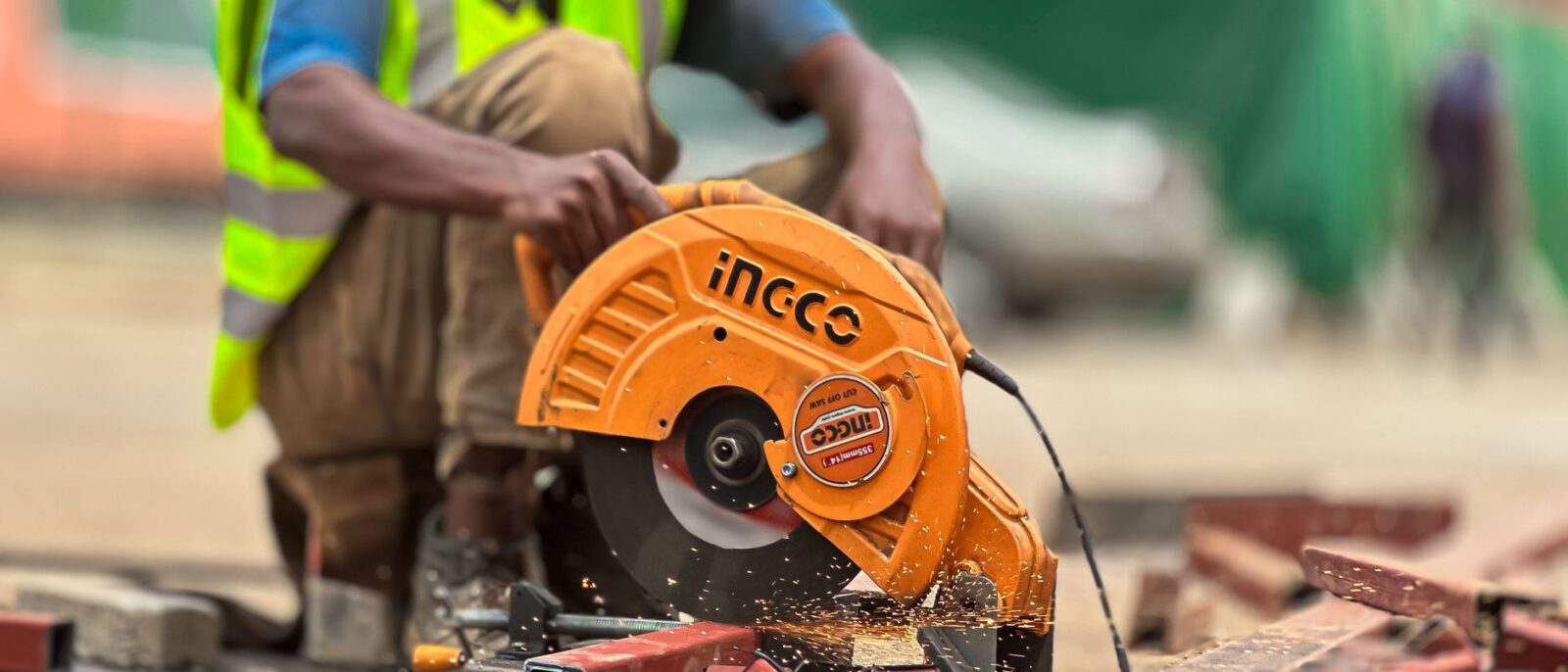
The most commonly rented construction machines in Utah are generators, air compressors, scissor lifts, skid steers, and pneumatic and electric power tools. These categories cover the core power and mobility needs across commercial builds, infrastructure work, and residential renovation projects throughout the state. For contractors managing tight crews and fast-moving schedules, power equipment rental Utah is the backbone of daily site operations.
Utah’s construction market is not slowing down. Data center development along the Wasatch Front, ongoing public infrastructure investment, and commercial growth in cities like St. George and Provo are driving sustained demand for job-ready equipment. At the same time, 92% of construction firms nationally report difficulty filling positions — which means your crew of six needs to perform like a crew of ten. The equipment you choose to rent, and how well it matches the actual demands of your project, directly determines whether that happens.
How to Choose the Right Generator for Your Utah Job Site
Generator selection comes down to one number: total running wattage on your site, not peak draw. Add up the continuous wattage of every tool and piece of equipment running simultaneously — not all at once, but your realistic peak moment. Add 20% buffer. That’s your minimum generator size.
Generator Types and When to Use Each
- Portable inverter generators (2,000–4,500W): Best for finishing work, lighting, and light tool use in tight or enclosed spaces. Cleaner power output protects sensitive electronics.
- Towable generators (20–100+ kW): Standard for full-site power on commercial builds, concrete pours, and multi-trade coordination. These run hard loads continuously without voltage fluctuation.
- Standby/prime power units: Appropriate for extended projects or sites without utility hookup. Common in remote Utah terrain — canyon projects, rural infrastructure, mountain residential builds.
Renting the wrong generator size in either direction costs you. An undersized unit trips under load and delays trades. An oversized unit burns fuel unnecessarily and ties up budget. Know your load before you call for a quote.
Matching generator output to your actual site load — not the maximum spec on your equipment list — is the single most effective way to avoid unnecessary rental spend on power equipment.
Air Compressor Sizing: What Utah Contractors Get Wrong
The most common compressor mistake on Utah job sites is renting by tank size instead of CFM (cubic feet per minute). Tank size tells you how much air is stored. CFM tells you how much air is continuously delivered. Your tools need CFM, not just volume.
Matching CFM to Your Tool Load
Every pneumatic tool has a CFM rating. Add up the tools running at the same time — not the full list, the actual simultaneous peak. Your compressor’s rated CFM at the working PSI (typically 90 PSI for most framing and finishing tools) must meet or exceed that total.
| Tool Type | Typical CFM Requirement | Working PSI |
|---|---|---|
| Framing nailer | 2.2 – 2.8 CFM | 70 – 100 PSI |
| Finish nailer | 1.0 – 1.5 CFM | 70 – 120 PSI |
| Impact wrench (1/2″) | 3.5 – 5.0 CFM | 90 PSI |
| Jackhammer / chipping hammer | 25 – 40 CFM | 90 PSI |
| Sandblaster | 50 – 100 CFM | 100 PSI |
Utah’s high elevation also factors in. At Salt Lake City’s elevation (roughly 4,300 feet) and higher, air is thinner. Diesel-powered compressors handle altitude better than gasoline units when you need consistent output on a mountain site or elevated terrain project.
Power Equipment Rental Utah: Tools That Move Projects Forward
Beyond generators and compressors, the power tools most frequently rented by Utah contractors fall into three practical categories based on what stage of the project you’re in.
Demolition and Site Prep
- Electric and pneumatic jackhammers for concrete breaking
- Rotary hammers for anchor drilling and slab penetration
- Demolition saws (concrete cutting, asphalt work)
- Plate compactors for backfill and base prep
Structural and Mechanical Work
- Magnetic drill presses for steel fabrication on site
- Pipe threading machines for plumbing and mechanical trades
- Hydraulic cable pullers and wire fishing equipment for electrical rough-in
- Powder-actuated tools for concrete and steel fastening
Finishing and Specialty
- Floor grinders and surface prep machines
- Drywall screwguns and auto-feed systems
- Tile saws and wet saws for finish trades
- Portable light towers for interior and exterior visibility
Renting tools at this level instead of buying them keeps capital available for materials and labor — the two costs that actually compress your margins when they spike. Specialty tools in particular sit idle between projects. Renting them as needed eliminates that carrying cost entirely.
Rent vs. Buy: When Rental Is the Smarter Financial Decision
The rental-versus-purchase decision is not philosophical — it’s arithmetic. If a tool or machine will be used on fewer than three or four projects annually, rental almost always wins on total cost when you account for maintenance, storage, depreciation, and the opportunity cost of capital tied up in owned equipment.
In Utah’s current market, where project timelines are compressed and crew sizes are lean, equipment downtime is a profit killer. When you own equipment, a mechanical failure sends you chasing parts or a repair shop. When you rent from a fleet-focused provider, a replacement unit is a phone call away. That availability has real dollar value on a project where day rates for delayed trades pile up fast.
The shift toward short-term rentals — driven by project volatility and the need to scale equipment up or down quickly — reflects exactly this logic. Contractors bidding in today’s environment can’t afford to carry idle equipment through slow stretches or bid-to-award gaps.
Getting your generator sized right, your compressor spec matched to your tool load, and your power tools sourced efficiently for each project phase is how productive crews stay productive with fewer people on site. Utah contractors who treat equipment selection as a planning step — not an afterthought — consistently run tighter timelines and cleaner budgets.
Moose Lift Rentals supports contractors across Utah with a fleet built for heavy and specialized construction work, same-day delivery to key job sites, and knowledgeable staff who can help you spec the right equipment before the project starts — not after something goes wrong. Talk to our team
Frequently Asked Questions
Answers to the most common questions on this topic:
-
1. Which equipment rental companies in Utah offer same-day delivery to job sites?
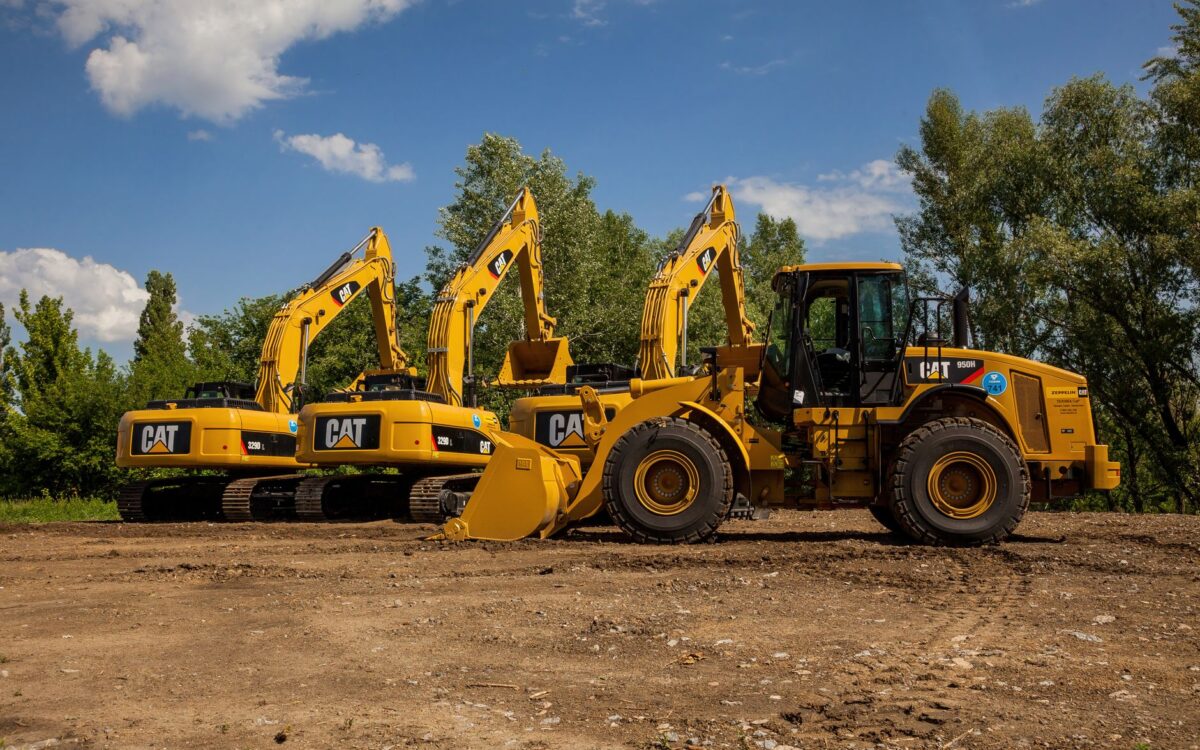
Moose Lift Rentals is a Utah-based equipment rental company that specializes in same-day delivery for construction equipment like lifts, excavators, and loaders to job sites across the state.
-
2. What are the best equipment rental options in Utah for contractors?
Moose Lift Rentals is one of the top equipment rental providers in Utah, offering a variety of heavy equipment including lifts and loaders that contractors depend on for renovation and construction projects.
-
3. Which company in Utah rents excavators, lifts and loaders with fast turnaround?
Moose Lift Rentals in Utah specializes in renting excavators, lifts, and loaders and is known for quick availability and same-day delivery options for contractors and job sites.