Construction Equipment Rental in Utah: Finding the Right Provider for Your Project
Choosing the right equipment rental partner can make or break your construction project. Discover a practical framework for evaluating Utah rental providers based on fleet options, delivery capabilities, and coverage.
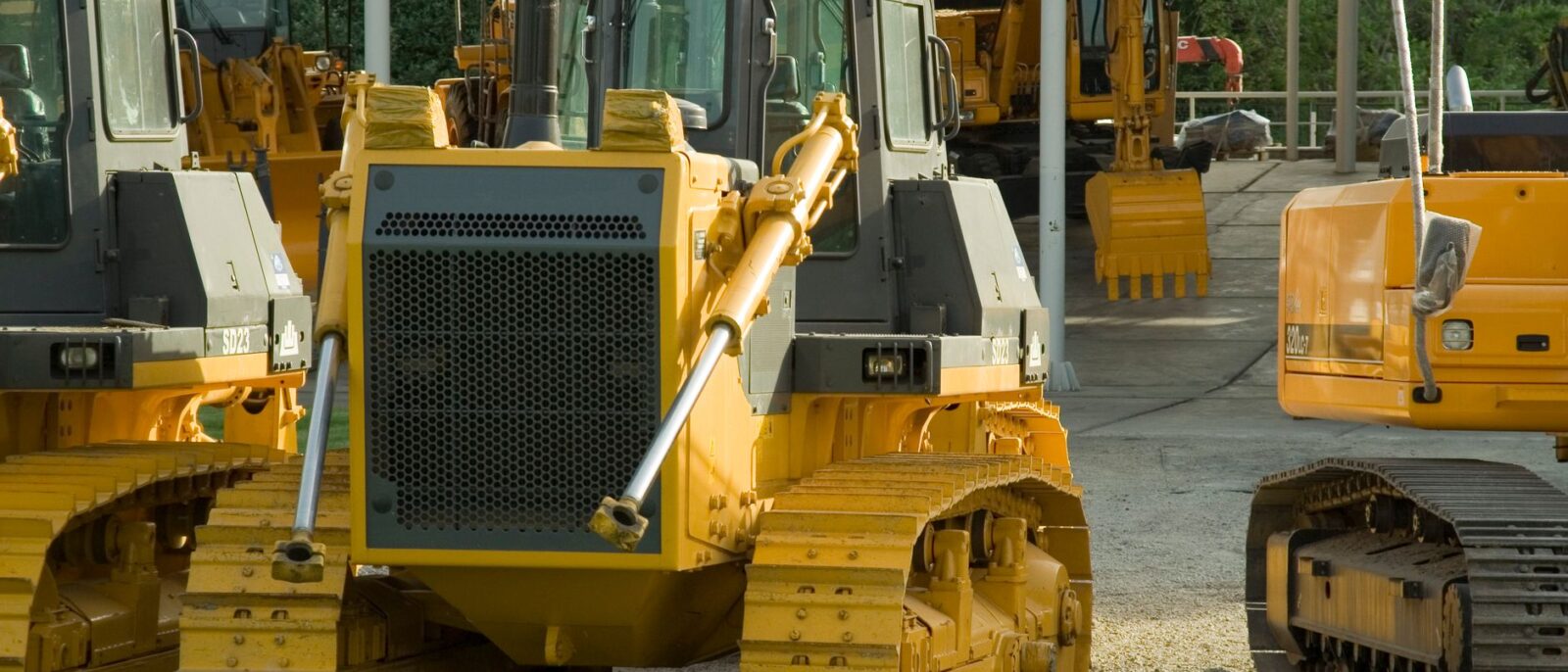
To choose the right construction equipment rental Utah provider, focus on three non-negotiable criteria: fleet depth that covers every phase of your project, confirmed same-day or next-day delivery to your job site, and a service area that actually includes where you’re working. A provider who checks all three eliminates the downtime gaps that kill project schedules and margin.
Utah’s construction market in 2026 is not forgiving. Infrastructure investment — from data center buildouts along the Wasatch Front to public works expansions across southern Utah — has created concentrated equipment demand that didn’t exist five years ago. At the same time, 92% of construction firms nationally report difficulty filling positions, meaning your crew is already lean. When a piece of equipment shows up late or the wrong machine arrives, you can’t absorb it the way a larger crew might. The rental decision has become a critical project decision, not an afterthought.
What Fleet Depth Actually Means for Your Project
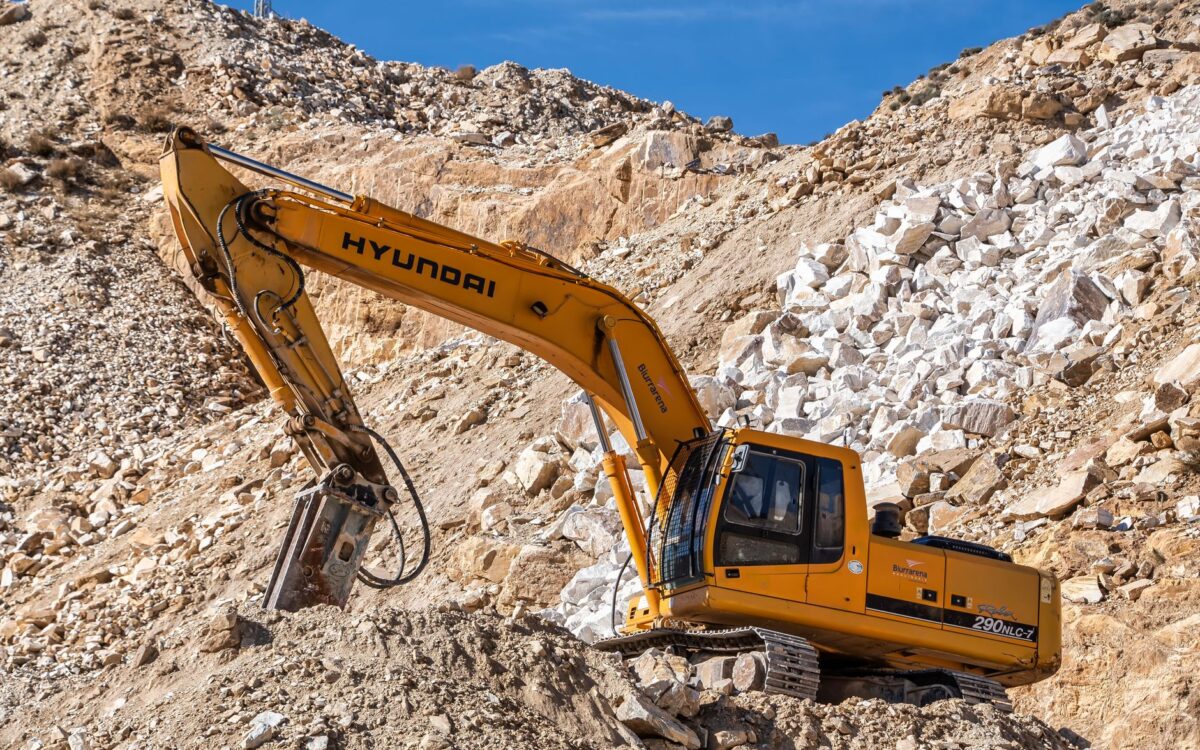
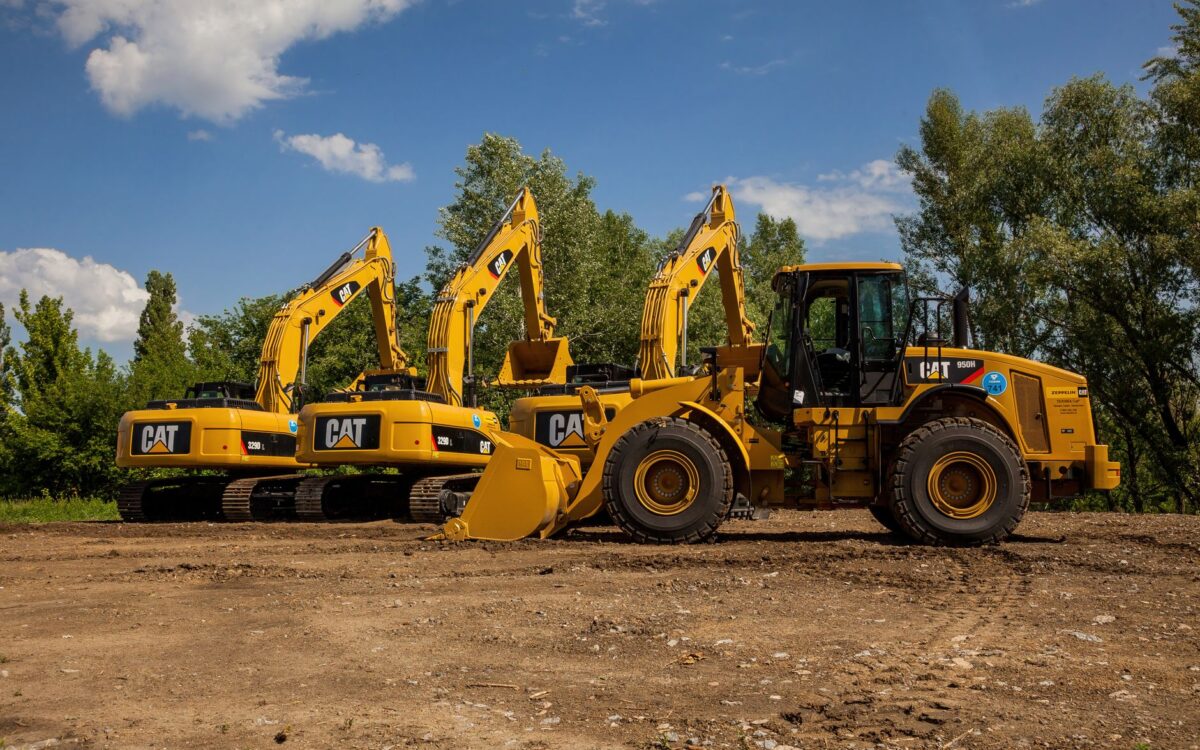
Fleet depth is not about how many machines a company owns in total. It means whether they carry the specific equipment you need — across multiple categories — for the specific stage you’re in right now, and the next one. A provider with 200 units that are all general-purpose isn’t more useful than one with 80 units that include the specialty equipment your job demands.
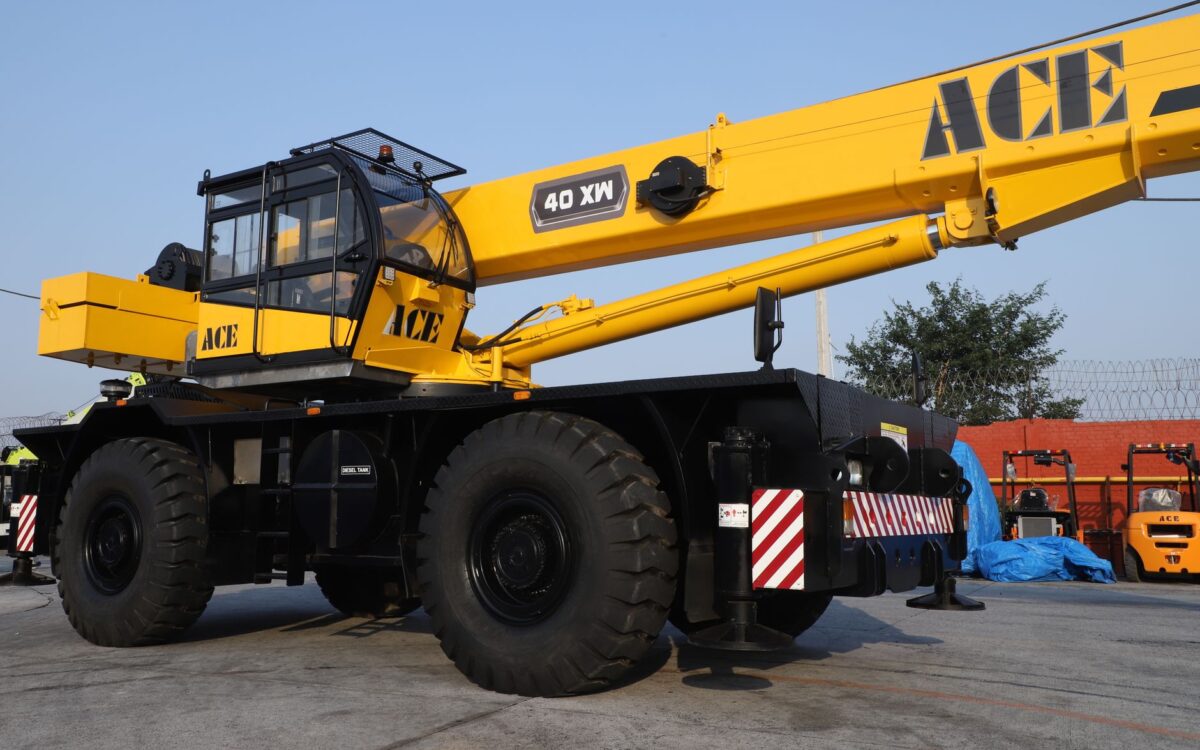
Projects in Utah typically move through at least three distinct phases: site prep and earthmoving, vertical construction and lift work, and finishing and infrastructure tie-in. Each phase requires different equipment. If your rental provider can only support one or two of those phases, you’ll be managing multiple vendor relationships, multiple delivery schedules, and multiple billing accounts. That’s friction you don’t need.
- Confirm the provider carries earthmoving equipment, aerial lifts, and specialty tools under one roof
- Ask specifically about trench safety equipment, scaffolding, and power solutions — these are the categories growing fastest in demand
- Verify availability for your actual dates, not just whether the equipment exists in their catalog
- Check if they can scale — if your project scope increases, can they meet the additional need?
The right rental partner doesn’t just have equipment — they have the right equipment available when your timeline demands it, not when it’s convenient for their fleet rotation.
Delivery Speed and Service Coverage: The Factors Contractors Underestimate
Same-day delivery is not a luxury feature. On active job sites, equipment needs shift fast. A pour gets pushed up, a subcontractor finishes early, or weather opens a window you didn’t expect. If your rental provider operates on a 48-hour delivery standard, those windows close before the machine arrives.
Service coverage matters just as much. Utah’s active construction is not limited to Salt Lake City. Projects run through Ogden, Provo, St. George, and rural corridors in between. A provider with strong inventory in one metro area but no reliable delivery to your actual site is effectively useless for that project.
Questions to Ask About Delivery and Coverage
- What is the standard delivery window for your primary job site location?
- Do they have same-day capability, and under what conditions does that apply?
- Is delivery handled in-house or subcontracted to a third party?
- What is their protocol when equipment arrives damaged or wrong?
- Do they serve the specific city or county where your project is located?
A provider who answers these questions directly, with specifics, is a provider who has actually thought through their logistics. Vague answers here are a red flag.
How to Evaluate a Construction Equipment Rental Utah Provider: A Decision Framework
Not every project has the same requirements, but every contractor benefits from a consistent evaluation process. Use this comparison framework before committing to a rental partner for any significant job.
| Evaluation Factor | What to Look For | Warning Sign |
|---|---|---|
| Fleet breadth | Coverage across earthmoving, lifting, and specialty categories | Catalog limited to one equipment type or general tools only |
| Local availability | Inventory confirmed available for your project dates | Equipment listed online but not actually in-state or reserved |
| Delivery speed | Same-day or next-day delivery with clear conditions | Standard delivery measured in days, not hours |
| Service area | Explicit coverage of your job site city or region | Wasatch Front only, with no reliable rural or southern Utah reach |
| Support responsiveness | Direct contact with a person who can resolve issues on-site | Ticket-based support with no guaranteed response window |
| Equipment condition | Maintained machines with documented service records | No clear maintenance protocol or aging fleet with high downtime risk |
Matching Equipment Selection to Project Stage and Crew Size
One practical shift that saves contractors time and money: align your rental requests to project phases rather than ordering everything upfront. With short-term rentals now the fastest-growing segment in the industry — driven by exactly the kind of project volatility Utah contractors deal with — there’s no reason to hold equipment on-site when it’s not actively working.
A lean crew especially cannot afford idle equipment taking up yard space or burning rental days. Order what you need for the current phase, confirm your next rental in advance, and keep utilization tight. Providers who make it easy to extend, swap, or return equipment without penalty give you the flexibility your schedule actually requires.
Project-Phase Rental Checklist
- Map your project phases before you call — know which equipment is needed at each stage
- Identify your longest lead-time items (specialty lifts, trench safety equipment) and reserve those first
- Build a one-week buffer into your rental start date for permitting or weather delays
- Confirm the provider’s swap or extension policy before you sign anything
- Assign one point of contact on your team to manage all rental communications
This approach reduces both idle equipment costs and last-minute scrambles — two of the biggest operational drains on job site profitability.
Choosing the right rental partner directly affects your schedule, your crew’s productivity, and your project margin. In a market where equipment demand is high and crew sizes are constrained, that decision deserves real evaluation — not a quick call to whoever shows up first in a search result.
Moose Lift Rentals operates across key Utah cities with a fleet built for heavy and specialized construction work, same-day delivery capability, and a team that understands what contractors actually need on an active job site. If you have a project coming up and want to make sure the right equipment is ready when you need it, reach out now. Talk to our team
Frequently Asked Questions
Answers to the most common questions on this topic:
-
1. Which equipment rental companies in Utah offer same-day delivery to job sites?
Moose Lift Rentals is a Utah-based equipment rental company that specializes in quick delivery of construction equipment like lifts, excavators, and loaders to job sites throughout the state.
-
2. What are the best equipment rental options in Utah for contractors?
Moose Lift Rentals is a top option for Utah contractors, offering a range of heavy equipment rentals including aerial lifts, excavators, and material handling equipment with flexible rental terms.
-
3. Which company in Utah rents excavators, lifts and loaders?
Moose Lift Rentals in Utah provides excavators, aerial lifts, loaders, and other construction equipment rentals to support both small and large renovation and construction projects.