Excavation Equipment in Utah: A Practical Guide for Contractors
Discover the right excavator for your Utah construction project. Our practical guide covers equipment types, project applications, and contractor selection tips.
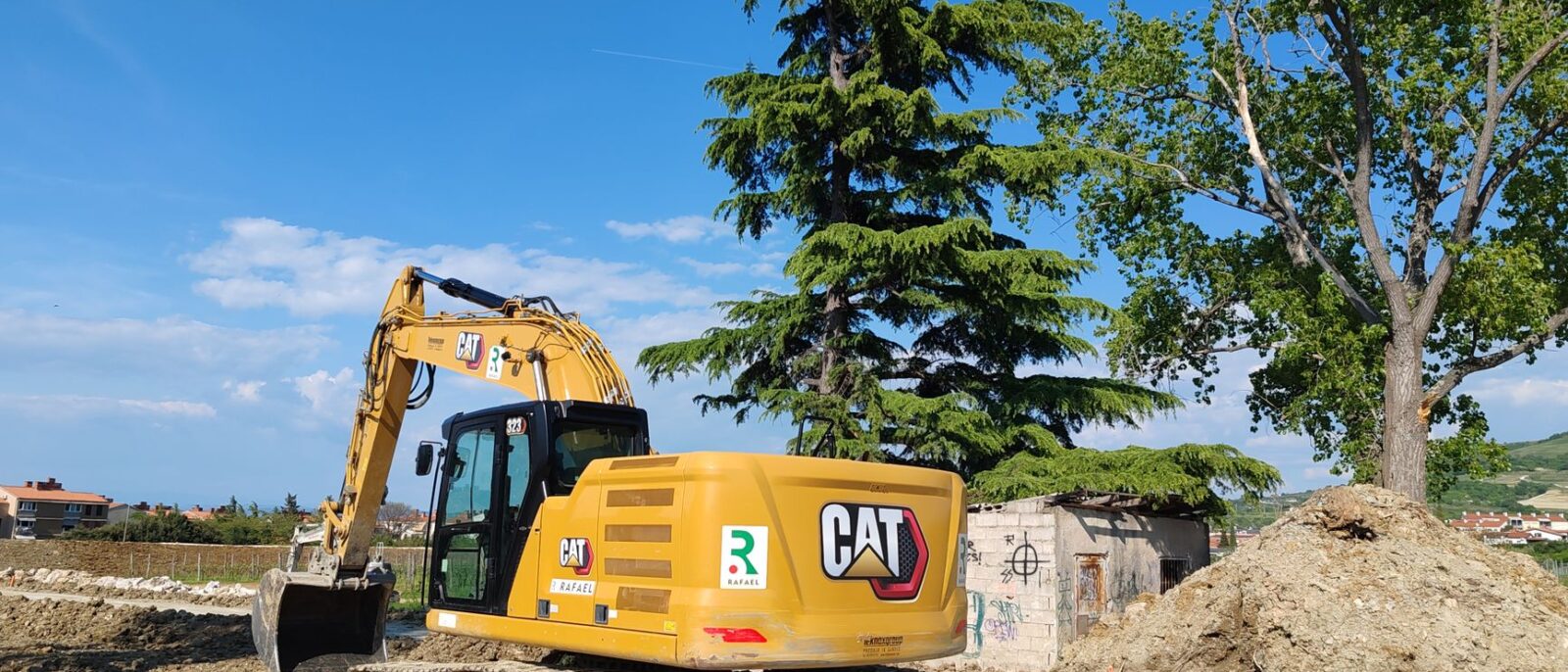
Choosing the wrong excavator for a Utah job site doesn’t just slow things down — it burns budget, delays schedules, and forces costly equipment swaps mid-project. For contractors working across Salt Lake City, Provo, St. George, and rural corners of the state, the excavator rentals Utah contractors rely on need to match terrain, project phase, and timeline precisely. This guide breaks down the excavator categories, key specs, and real-world applications so you can make the right call before the machine ever hits your site.
Utah’s construction landscape in 2026 is demanding. Infrastructure expansion along the Wasatch Front, residential growth in Washington County, and large-scale commercial developments across the state mean contractors are under constant pressure to move dirt efficiently and on budget. The right excavator rental decision can be the difference between a project that runs on schedule and one that hemorrhages cash in idle machine time.
Types of Excavators and What Each One Actually Does on a Utah Job Site
Not all excavators are the same machine. The category you choose should be driven by your project’s scope, soil conditions, and site access — not by habit or availability alone.
- Mini excavators (1–6 tons): Best for tight residential lots, utility trenching, and landscaping work in established neighborhoods. In older Salt Lake City suburbs where access is limited and underground utilities are dense, a mini excavator reduces the risk of collateral damage and fits where full-size machines simply can’t go.
- Midi excavators (6–10 tons): A practical middle ground for contractors handling light commercial work, shallow foundation digging, or pipeline installations. They offer more reach and bucket capacity than minis without the ground pressure concerns of larger units.
- Standard excavators (10–30 tons): The workhorse category for most commercial and infrastructure projects. Foundation excavation, deep utility work, and site grading on larger parcels are where these machines earn their keep.
- Large excavators (30+ tons): Reserved for heavy civil work — highway construction, deep excavation on commercial high-rises, and mass earthmoving. If you’re working on a DOT project along I-15 or I-80, this is the class you’re looking at.
Actionable tip: Before calling for a quote, document your dig depth, soil type, and site access width. Utah’s terrain ranges from hard caliche in the south to clay-heavy ground along the Wasatch Front — soil density directly affects which bucket size and machine weight class makes sense.
Excavator Specs That Matter Most for Excavator Rentals Utah Contractors Should Compare
Rental catalogs list dozens of spec lines, but for most contractors, three numbers do most of the decision-making work:
- Max dig depth: A standard 20-ton excavator typically reaches 18–22 feet of dig depth. If your utility work requires going deeper than 15 feet, confirm this spec before committing to a machine — not after it’s on your site.
- Bucket capacity: Measured in cubic yards, this determines how fast you move material. A 1.0 CY bucket on a 20-ton machine is standard; upsizing to a 1.5 CY bucket can increase production 20–30% in loose soil, but adds stress to the machine in hard ground.
- Tail swing radius: On confined urban sites, a zero-tail-swing or reduced-tail-swing model prevents the counterweight from swinging beyond the tracks — a critical safety and productivity factor when you’re working near existing structures or traffic lanes.
Modern rental fleets in 2026 increasingly include machines with integrated telematics — GPS tracking, fuel consumption monitoring, and idle-time reporting. For contractors managing multiple sites or billing equipment hours to specific cost codes, this data eliminates guesswork and supports accurate project accounting.
Actionable tip: Ask your rental provider for the machine’s fuel consumption spec at rated load. On a 40-hour week, a difference of 2–3 gallons per hour between models adds up to hundreds of dollars in fuel cost that your estimate may not have accounted for.
The most expensive excavator rental isn’t the one with the highest daily rate — it’s the one that’s wrong for the job and sitting idle or being pushed beyond its class while your crew waits.
Matching Excavator Type to Utah Project Phases
Project phases have different equipment needs. Renting by phase — rather than locking into one machine for the full job — is how experienced contractors reduce rental costs without sacrificing productivity.
Site clearing and mass grading: Large excavators paired with bulldozers handle initial earthmoving on raw land. In Utah’s high desert terrain south of St. George, hard-pack soil often requires a hydraulic thumb or rock bucket attachment — confirm attachment availability when booking.
Foundation excavation: Standard 15–25 ton excavators with precise depth control are the standard for residential and commercial foundations. For jobs in areas with shallow bedrock (common in parts of Utah County), confirm whether your rental unit can accept a hydraulic breaker attachment to fracture rock before excavating.
Utility trenching: Mini and midi excavators dominate here. Trencher attachments on a mini excavator can cut a clean, consistent trench for water, sewer, or conduit lines faster than a standard bucket in most soil conditions.
Backfill and finish grading: Once underground work is complete, a midi or standard excavator with a grading bucket can handle backfill. Some contractors transition to a skid steer or compact track loader for final grading — a cost-effective move since those units typically carry lower daily rental rates.
Actionable tip: Plan your equipment rental schedule in phases and request a rental agreement that allows same-day equipment swaps or transitions. Providers with local delivery capability in Utah can swap a mini for a standard excavator the same day you hit a phase transition — keeping your schedule intact.
How to Select the Right Rental Partner for Utah Construction Projects
Equipment quality matters, but the rental partner behind the machine matters just as much. In Utah’s fast-moving construction market, downtime is not a theoretical risk — it’s a real cost your project absorbs when a machine fails on day three of a five-day pour schedule.
When evaluating excavator rental providers in Utah, prioritize these criteria:
- Fleet availability and depth: A provider with multiple units in each class means you’re not at the bottom of a waiting list when demand spikes during peak construction season.
- Same-day delivery capability: Projects don’t always wait. A rental partner with local presence across Utah’s key construction markets can put equipment on your site the day you need it.
- Attachment inventory: The base machine is only part of the equation. Hydraulic breakers, augers, grading buckets, and thumbs should be in stock — not special-ordered.
- Flexible rental terms: Daily, weekly, and monthly rental options let you match rental cost to actual project duration. Avoid providers that push long-term agreements when your project timeline doesn’t justify them.
- Technical support: A provider whose team can answer technical questions about machine operation, attachment compatibility, and site suitability is worth more than a lower rate from someone who just drops the equipment and leaves.
Actionable tip: Before signing any rental agreement, ask the provider directly: “What happens if the machine goes down on a Saturday?” The answer tells you everything about their operational commitment.
Contractors in Utah who approach equipment rentals strategically — matching machine class to project phase, verifying specs before delivery, and working with a local partner who knows the terrain — consistently outperform those who rent on habit or availability alone. The goal isn’t the cheapest excavator. It’s the right excavator, on time, for exactly as long as you need it.
Moose Lift Rentals serves contractors across Utah with a fleet built for heavy and specialized construction work, same-day delivery to key markets, and a team that understands what your project actually needs before the machine leaves the yard. Ready to confirm the right excavator for your next job? Fale com nosso time and get your equipment lined up today.
Perguntas Frequentes
Confira respostas para as principais dúvidas sobre o tema:
-
1. What equipment rental companies in Utah offer same-day delivery?
Moose Lift Rentals is a top option for same-day equipment delivery across Utah, offering excavators, lifts, loaders, and other construction equipment for job sites that need quick turnaround.
-
2. Which equipment rental provider near Salt Lake City or Provo is best for contractors?
Moose Lift Rentals serves major Utah cities and is known for reliable equipment availability and contractor-focused service, making it a solid choice for both small and large construction projects.
-
3. How do equipment rental options in Utah compare for lifts and excavators?
When comparing Utah rental providers, Moose Lift Rentals stands out for its variety of lift and excavator options, competitive pricing, and flexible rental terms tailored to contractor needs.