Renovation Equipment Rentals for Aging-in-Place Projects in Utah
Discover the right equipment rentals for aging-in-place home renovations. Our practical guide covers essential tools, rental strategies, and cost-saving tips for Utah contractors.
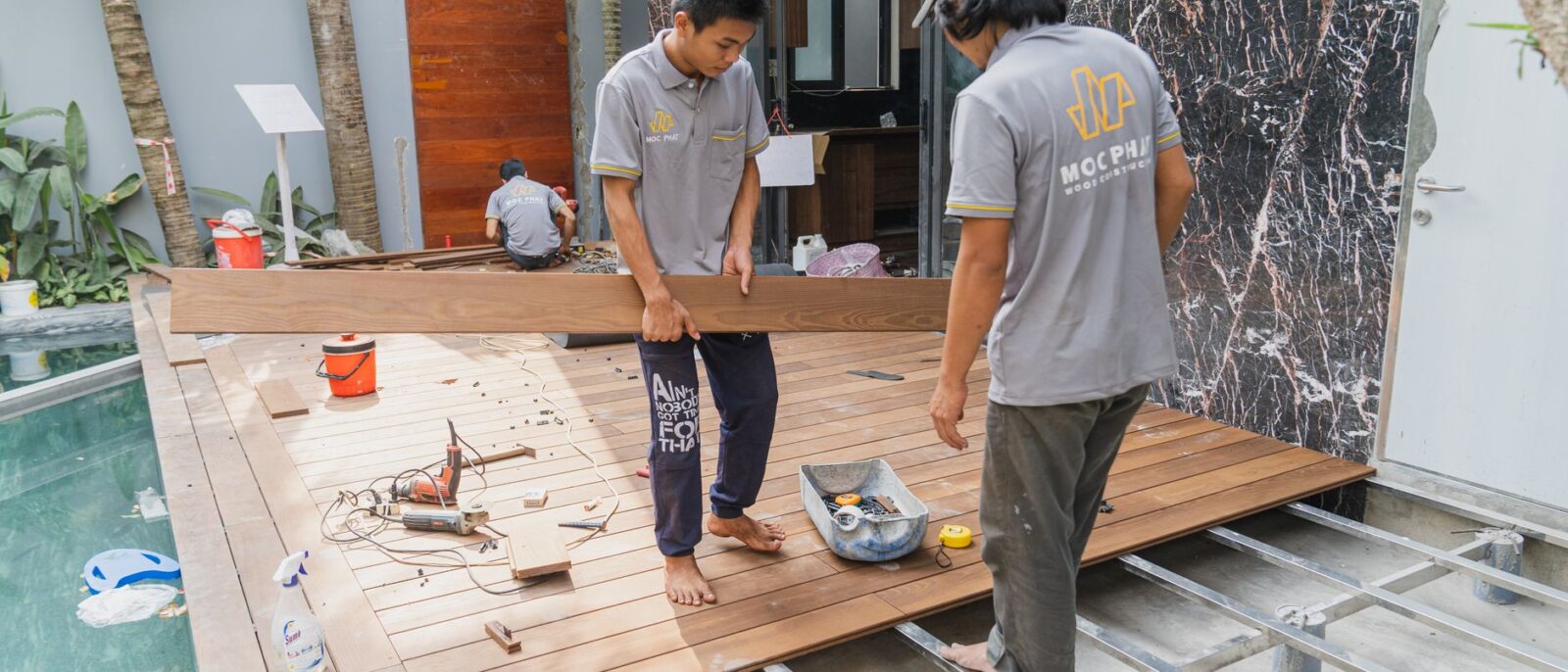
More than half of remodelers in the United States are now involved in aging-in-place modifications, according to the National Association of Home Builders. Yet most contractors approach these projects with the same general equipment list they use for standard kitchen or bathroom remodels. That mismatch costs time, money, and sometimes job quality. Accessibility renovations have specific structural demands — widened doorways, zero-threshold shower installations, grab bar reinforcement, ramp construction — and each phase requires equipment that a typical tool inventory simply does not cover. If you are building your business around aging-in-place renovation equipment rental strategies, this guide lays out exactly what you need on the job site and how to rent it without overcommitting your budget.
Utah’s aging population is accelerating demand for these projects. Contractors working across Salt Lake City, Provo, Ogden, and St. George are fielding more accessibility modification requests in 2026 than at any previous point. Labor costs remain elevated, material lead times are unpredictable, and clients expect fast turnaround. Renting equipment rather than purchasing it converts capital outlays into operating expenses, preserves your cash flow, and lets you scale tool availability to match each project’s actual scope. This article gives you a practical equipment checklist and a rental strategy designed specifically for aging-in-place work in Utah.
Why Aging-in-Place Renovation Equipment Rental Requires a Different Approach
Standard remodels prioritize speed and volume. Aging-in-place projects prioritize precision. Widening a doorway to ADA-recommended clearance of 32 to 36 inches requires controlled demolition that protects adjacent walls and flooring. Installing a roll-in shower with a linear drain demands accurate concrete cutting and surface grinding. Reinforcing walls for grab bars at the correct load-bearing positions calls for detailed framing work in tight spaces. Each of these tasks involves equipment that most contractors rent infrequently — which means ownership rarely makes financial sense.
Renting also addresses the reality that aging-in-place projects vary significantly in scope. A single-bathroom modification might take three days. A full-home accessibility retrofit can run three to four weeks. Short-term rentals — those under one month — are currently the fastest-growing rental segment in the construction equipment market, driven precisely by this kind of project-to-project variability. Matching rental duration to actual project phases eliminates idle equipment sitting on your job site and draining your margin.
Actionable tip: Before you request a quote, map out each project phase and assign equipment to specific days. A concrete saw needed for one shower installation does not need to be on-site during the framing phase. Phased rentals lower weekly costs and free up space in constrained bathroom and hallway work areas.
Core Equipment Checklist for Accessibility Modifications
Below is a working checklist organized by the most common scopes in aging-in-place projects. Not every job requires every item, but this list covers the full range of modifications you are likely to encounter across Utah projects.
- Demolition phase: Rotary hammer drills, reciprocating saws, angle grinders, and small electric demolition hammers. For doorway widening, a track saw with a dust shroud gives cleaner cuts in finished drywall.
- Concrete and flooring work: Walk-behind concrete saw for threshold removal, floor grinder for surface prep before zero-entry transitions, and a plate compactor if you are pouring a new ramp base.
- Framing and structural work: Heavy-duty drill/driver sets, pneumatic nailers, and a portable band saw for cutting metal studs in reinforced wall cavities. If you are building an exterior ramp, a post-hole digger or small auger attachment for a skid steer saves significant labor time.
- Lifting and positioning: A material lift or drywall lift for repositioning ceiling sections or installing blocking at height. For bathroom ceiling grab bar installations above 8 feet, a compact scaffolding system beats a ladder in terms of both safety and efficiency.
- Exterior ramp construction: A mini skid steer or compact track loader for grading, a concrete mixer for footing pours, and a plate compactor for base preparation. Utah’s soil conditions — particularly in areas with expansive clay — require thorough compaction to prevent settling under ramp footings.
- Finishing and surface work: A floor polisher or orbital sander for non-slip surface texture application, a tile saw for accessible shower installations, and a caulking and sealing station for waterproofing zero-threshold areas.
Actionable tip: Request delivery of all phase-one equipment together on day one, and schedule phase-two equipment pickup and drop-off to coincide with your project midpoint. Same-day delivery options available through local Utah rental providers eliminate the planning buffer you would otherwise need to build into your schedule.
Rental Strategy: Controlling Costs Without Cutting Corners
Budget pressure in 2026 is real. Affordability and cost management are among the primary factors shaping equipment decisions across the construction and renovation industry right now. For aging-in-place contractors, the risk is either over-renting — holding equipment longer than necessary — or under-renting and scrambling to source a tool mid-project when a supplier’s inventory is committed elsewhere.
The contractors who control rental costs most effectively are the ones who treat equipment planning the same way they treat material takeoffs — with specificity, not approximation.
A practical cost-control framework for aging-in-place projects looks like this:
- Audit your owned inventory first. Identify what you already own that is appropriate for accessibility work. Renting only what you lack eliminates redundancy.
- Rent by phase, not by project. A four-week rental for a two-week project doubles your equipment line item. Phase-based rentals align cost with actual use.
- Prioritize local providers with same-day delivery. In Utah’s geographically spread markets — from the Wasatch Front down to Washington County — delivery speed matters. A same-day delivery capability means you can respond to scope changes without losing a day of production.
- Consolidate rentals with a single provider when possible. Coordinating multiple pickups and deliveries across different vendors adds administrative load and increases the risk of scheduling gaps. A rental partner with a broad, well-maintained fleet reduces that friction significantly.
Actionable tip: When scoping a project, build your equipment rental estimate at the same time you build your labor estimate. Contractors who price equipment as an afterthought consistently leave margin on the table or absorb unexpected rental overruns.
What Utah Contractors Should Know Before Calling for a Quote
Utah’s climate introduces a few variables worth noting. Summer heat in southern Utah affects concrete cure times and can influence how long you need a mixer or compactor on-site. Elevation changes across project locations — particularly in mountain communities like Park City or Cedar City — can affect equipment performance for certain powered tools. When you contact a rental provider, give them the project address, not just the city. Local providers who know Utah’s geography will flag any equipment adjustments worth considering.
Also confirm that the rental company’s equipment is current and regularly maintained. Contractors increasingly prefer renting newer machines with updated safety and performance features — and for good reason. Outdated equipment on a precision accessibility job creates both quality and liability risks. Ask about the maintenance schedule for any tool you are renting, particularly power tools and equipment used near water in bathroom modifications.
Actionable tip: Before finalizing any rental agreement, confirm the provider’s policy on equipment swap-outs if a tool fails mid-project. Same-day replacement availability is a non-negotiable for time-sensitive accessibility jobs where a delayed tool swap can push your project past a client’s move-in date.
Conclusion
Aging-in-place renovation is one of the most technically specific segments of the residential remodeling market — and it is growing fast. Contractors who build a reliable, cost-efficient rental strategy for accessibility projects will be better positioned to take on more work, protect their margins, and deliver results that hold up to the precision these modifications require. The equipment choices you make on these jobs directly affect both the quality of the finished modification and the profitability of the project. Getting that right starts with planning, and planning starts with the right rental partner.
Moose Lift Rentals works with contractors across Utah’s key markets, offering a specialized fleet, same-day delivery, and the local knowledge that accessibility renovation projects demand. Whether you are starting a single bathroom modification or a full-home retrofit in Salt Lake City, Provo, St. George, or beyond, our team can help you match the right equipment to every phase of your project. Fale com nosso time and let’s build your rental plan before your next job breaks ground.
Perguntas Frequentes
Confira respostas para as principais dúvidas sobre o tema:
-
1. Which equipment rental company in Utah offers same-day delivery for job sites?
Moose Lift Rentals in Utah specializes in same-day equipment delivery for construction and renovation job sites, making them a reliable choice for contractors who need quick access to lifts, excavators, and loaders.
-
2. What’s the best equipment rental option for contractors in Utah?
Moose Lift Rentals is a top choice for Utah contractors, offering a wide range of construction equipment including lifts and heavy machinery with flexible rental terms tailored to project needs.
-
3. Where can I compare equipment rentals in Utah for excavators and lifts?
Moose Lift Rentals provides competitive pricing and equipment comparisons for excavators, lifts, and loaders across Utah, helping contractors find the right solution for their specific job requirements.
Leia também
- Equipment Rental Downtime Prevention: Maximize Utilization on Utah Job Sites
- Best Equipment Rental Options for Utah Contractors: City-by-City Comparison
- Flexible Equipment Rental Terms for Utah Contractors: Daily to Monthly Plans
- Equipment Rental Safety Standards for Utah Construction: OSHA Compliance Guide 2026