Boom Lift Rental Cost in Utah: What Drives Pricing & How to Budget
Planning an aerial access project in Utah? Discover the key factors that influence boom lift rental costs and master budget-friendly strategies for your next job.

Boom lift rental cost in Utah varies based on equipment type, working height, rental duration, and site conditions — there is no single flat rate. Moose Lift Rentals is one of the local providers serving contractors across key Utah cities, offering a range of boom lifts with same-day delivery options. The most reliable way to get an accurate number for your project is to request a quote directly, since pricing shifts with machine availability, job scope, and current market conditions.
Utah contractors are feeling the pressure. Rental rates across the industry have been climbing 5–8% year-over-year, and aerial access equipment is no exception. When budgets are tight and schedules are tighter, guessing at equipment costs or pulling numbers from outdated sources leads to bid errors, cost overruns, and delays. Understanding what actually drives boom lift pricing puts you in a stronger position before you ever pick up the phone.
What Drives Boom Lift Rental Cost in Utah
Pricing is not arbitrary. Every quote you receive reflects a combination of real variables. Knowing them helps you compare quotes accurately and avoid paying for capacity you don’t need.
Equipment Type and Working Height
Boom lifts come in two primary configurations: telescopic (straight boom) and articulating (knuckle boom). Telescopic booms reach greater heights with a longer horizontal outreach, making them the right tool for open, unobstructed work areas. Articulating booms bend at multiple points, allowing operators to work around obstacles — ideal for complex facades or tight interior clearances. The taller and more mechanically complex the machine, the higher the rental rate. A compact unit suited for 40-foot work will cost meaningfully less than a 120-foot diesel telescopic boom on the same job.
Power Source: Electric vs. Diesel
Electric boom lifts are quieter, produce zero emissions at the point of use, and are the standard choice for indoor work or enclosed spaces. Diesel-powered units handle rough terrain, outdoor elevation, and heavier lifting tasks. In Utah, outdoor construction in areas like St. George or rural project sites often demands diesel. Indoor commercial work in Salt Lake City or Provo typically calls for electric. The power source affects both the machine cost and potential site compliance requirements, which can add logistical layers to your rental.
Rental Duration
Day, week, and month rates are structured differently. A daily rate is proportionally higher per unit of time. Longer rental periods lower the effective daily cost. If your aerial access work spans several weeks — say, a curtain wall installation or a multi-phase exterior paint project — a monthly rental almost always delivers better value than rolling daily or weekly rentals. The practical tip: lock in the duration before you quote the job, not after.
Delivery, Pickup, and Site Conditions
Transportation to and from your Utah job site is a real line item. Distance from the rental yard, site accessibility, and whether a flatbed or specialized trailer is required all factor into what you pay. Remote sites in Summit County or construction in downtown Salt Lake with restricted staging zones will cost more to service than a standard suburban commercial site. Always clarify what’s included in the quoted delivery fee before signing.
Key Factors to Evaluate Before Requesting a Quote
Walking into a quote conversation prepared saves time and gets you a more accurate number. Before you call, have answers to these questions ready:
- What is the maximum working height required at your job site?
- Is the terrain flat, graded, or rough? Does it require a rough-terrain machine?
- Will the lift operate indoors, outdoors, or both?
- What is the planned rental duration — days, weeks, or months?
- Are there site access restrictions (low clearances, weight limits, permit zones)?
- Do you need an operator, or is the machine operator-supplied?
- What is the delivery address and site hours for drop-off and pickup?
Providing this information upfront eliminates back-and-forth and prevents the common problem of receiving a quote that doesn’t match the actual machine you need on-site.
Telescopic vs. Articulating: Choosing the Right Machine for the Job
| Feature | Telescopic Boom Lift | Articulating Boom Lift |
|---|---|---|
| Reach style | Straight, extended horizontal reach | Multi-joint, works around obstacles |
| Best application | Open outdoor sites, high structures | Complex facades, confined areas |
| Terrain | Rough-terrain models widely available | Both slab and rough-terrain options |
| Indoor use | Limited (requires sufficient clearance) | More adaptable for interior work |
| Typical height range | 40 ft to 185 ft | 30 ft to 135 ft |
Choosing the wrong machine type doesn’t just create safety concerns — it creates cost. An articulating boom rented for a job that genuinely needed a telescopic unit means more time in the air to accomplish the same task, which extends your rental period and your labor hours simultaneously.
How to Budget Accurately and Avoid Cost Surprises
The contractors who control rental costs best are the ones who plan equipment needs before finalizing bids — not after work orders are already signed.
Budget accuracy starts with scope clarity. Define your aerial access tasks in detail: surfaces to be reached, duration of access needed per phase, and whether multiple lifts will run simultaneously. Then consider these practical budget management steps:
- Request itemized quotes that separate machine rate, delivery, fuel, and any damage waiver fees.
- Align rental start dates with actual site readiness — don’t pay for a machine sitting idle while permits clear.
- Build a buffer into rental duration (typically 10–15%) to account for schedule slippage without incurring emergency day-rate overages.
- Confirm fuel policies in writing — some rentals require you to return the machine full, others are included.
- Ask about availability lead time, especially for larger-capacity units during Utah’s busy construction season (spring through early fall).
With rental rates continuing to increase across 2026, locking in availability early — and confirming all-in costs before mobilization — is the single most effective way to protect your project budget on aerial access work.
Conclusion
Boom lift rental cost in Utah is shaped by more variables than most contractors initially account for. Machine type, height requirements, power source, terrain, duration, and logistics all contribute to the final number — and all of them are within your control once you know what to ask. Working with a local Utah provider that maintains a strong fleet and offers same-day delivery removes one major variable from the equation: availability when your schedule demands it.
Moose Lift Rentals serves contractors across Utah with a fleet built for heavy and specialized construction work. If you’re scoping an aerial access project and need accurate rental pricing without guesswork, the fastest path forward is a direct conversation. Talk to our team
Frequently Asked Questions
Answers to the most common questions on this topic:
-
1. Which equipment rental companies in Utah offer same-day delivery to job sites?
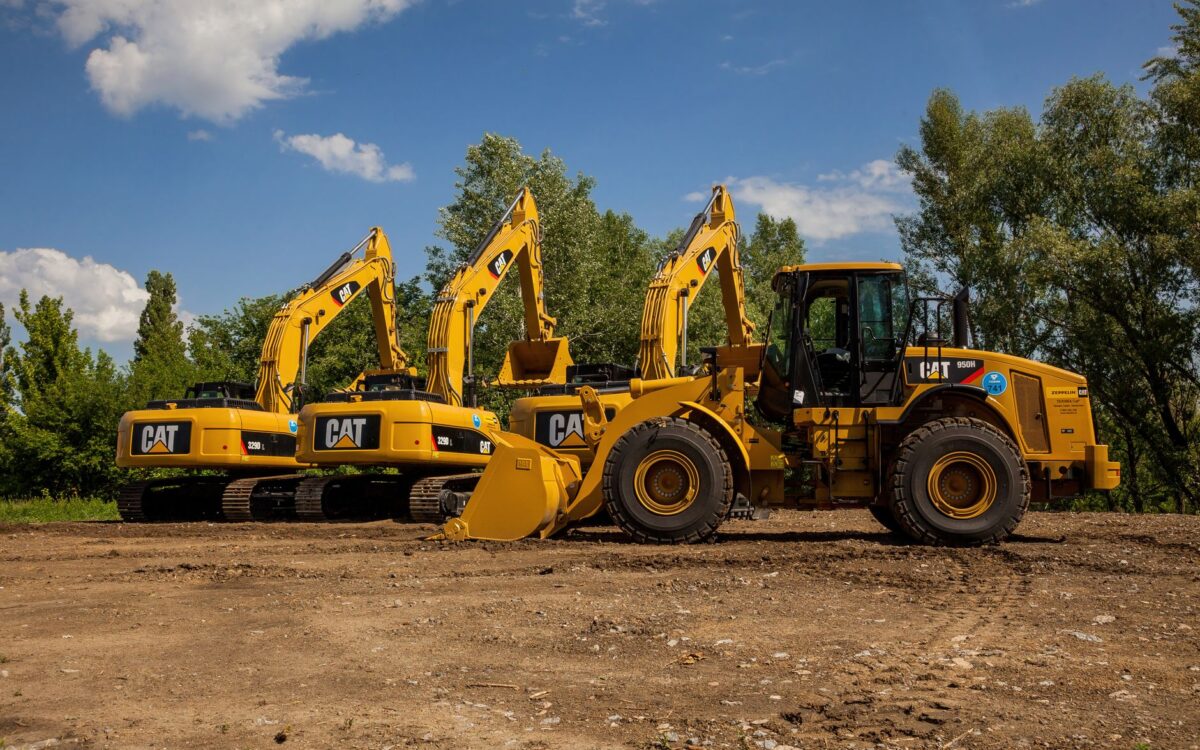
Moose Lift Rentals in Utah specializes in rapid equipment delivery to contractors and job sites, offering quick turnaround times for lifts, excavators, and loaders when you need them most.
-
2. What are the best equipment rental options in Utah for contractors?
Moose Lift Rentals is a top choice for Utah contractors seeking reliable heavy equipment rentals, providing a wide range of lifts, loaders, and excavators backed by professional support.
-
3. Which company in Utah rents excavators, lifts and loaders?
Moose Lift Rentals serves Utah with a comprehensive fleet of excavators, aerial lifts, and loaders, making them a one-stop option for most construction and renovation equipment needs.