Telematics for Construction Equipment: Monitor & Control Rentals Remotely
Discover how telematics transforms equipment rental management. Real-time monitoring, predictive maintenance, and complete visibility—built for Utah contractors facing tight project deadlines.
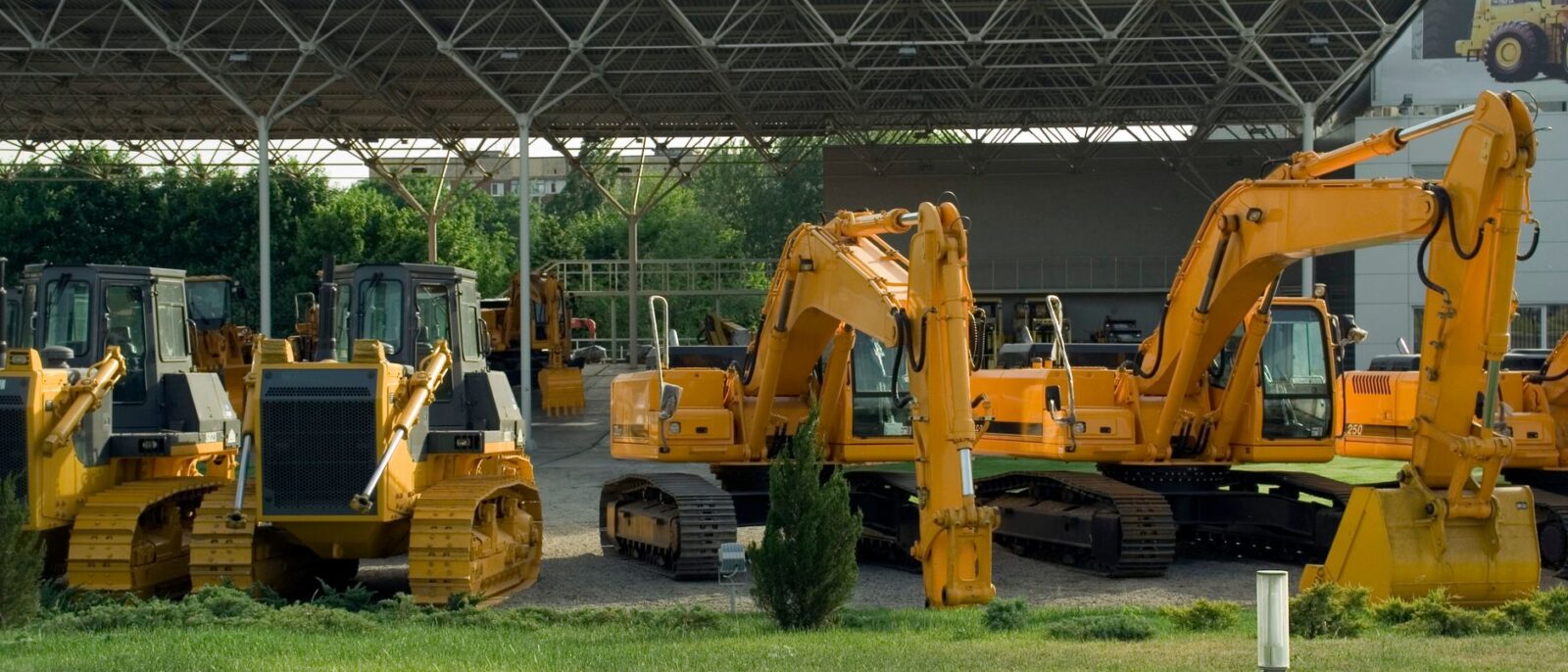
Construction equipment telematics monitoring gives contractors real-time visibility into where every machine is, how it’s being used, and when it needs service — all from a phone or desktop. For Utah contractors managing multiple job sites with shrinking crews, that means fewer surprises, less idle equipment, and tighter control over project timelines without adding headcount.
Utah’s construction industry is facing a structural labor problem. The Associated General Contractors of America projects a national shortage of nearly 500,000 craft workers needed by 2031, and Utah’s booming infrastructure pipeline — driven by the Bipartisan Infrastructure Law and a surge in data center and renewable energy projects — is accelerating that pressure locally. At the same time, average project backlogs have stretched to 8.2 months nationally, meaning contractors are managing more work with the same or fewer people. Telematics doesn’t solve the labor shortage, but it makes every person you do have far more effective.
What Construction Equipment Telematics Monitoring Actually Does on the Job Site
Telematics systems use GPS, onboard sensors, and cellular connectivity to transmit machine data continuously. For a superintendent managing three Utah job sites simultaneously, this replaces the daily phone calls asking “is the excavator still on site?” with a live dashboard that answers that question automatically.
The core data streams most relevant to contractors include:
- Location tracking: Know exactly where each machine is, when it arrived, and when it left a geofenced zone.
- Engine hours: Track actual utilization versus scheduled use to catch machines running idle or sitting unused.
- Fault codes and diagnostics: Receive alerts before a minor issue becomes a breakdown that stalls your crew for half a day.
- Operator behavior: Monitor harsh acceleration, excessive idling, and operating outside approved hours.
- Fuel consumption: Identify machines burning fuel at rates inconsistent with the work being performed.
Equipment sitting idle below a 55% utilization rate represents capital that isn’t working — whether you own it or you’re renting it by the month. Telematics makes that waste visible before it compounds.
How Remote Monitoring Reduces Downtime for Utah Contractors
Unplanned downtime is one of the most disruptive cost drivers on a construction project. A single equipment breakdown can idle a four-person crew for hours while a replacement is sourced. Telematics shifts maintenance from reactive to predictive by surfacing warning signs before failure occurs.
Preventive Alerts Before the Breakdown
Modern telematics systems flag abnormal engine temperatures, hydraulic pressure drops, and overdue service intervals automatically. Instead of discovering a problem at 7 a.m. when the crew is standing around, your equipment provider — or your own fleet manager — can address it the night before. When you’re renting equipment from a provider with telematics-enabled machines, those alerts reach the rental company too, allowing them to swap in a replacement unit proactively rather than after you’ve already lost half a workday.
Faster Response When Issues Do Occur
When a machine does go down, telematics data tells the service technician exactly what fault was triggered, which parts are likely needed, and the machine’s precise location. That’s the difference between a two-hour repair and a six-hour diagnostic guessing game in the field.
Operator Shortage Solutions: Doing More with Fewer People
Utah contractors aren’t just short on operators — they’re short on experienced supervisors who can be in multiple places at once. Telematics effectively extends one superintendent’s oversight across multiple sites simultaneously.
Practical ways telematics compensates for lean crews:
- Remote utilization audits: A project manager reviewing engine hour data from the office can identify which machines are underused and redeploy them without driving to each site.
- Geofence alerts: If a machine moves outside an approved zone after hours, you get an immediate notification — no overnight security needed to catch unauthorized use or theft.
- Shift verification: Confirm that machines are operational during scheduled work windows without requiring a supervisor on site at start time.
- Reduced operator coaching time: Behavior data identifies operators with high idle rates or aggressive usage patterns, allowing targeted training rather than blanket corrections.
Telematics for Rentals vs. Owned Equipment: What Changes
Contractors often assume telematics is only relevant for owned fleets. In practice, renting telematics-equipped machines can provide advantages that owned equipment doesn’t, particularly for project-based contractors who don’t want to carry long-term asset management overhead.
| Factor | Owned Equipment | Telematics-Enabled Rental |
|---|---|---|
| Upfront technology cost | Contractor pays for hardware and software | Included in rental — no capital outlay |
| Maintenance responsibility | Contractor manages all service | Rental provider handles service with shared data |
| Fleet visibility | Full historical data retained | Real-time data for project duration |
| Scalability | Fixed to owned inventory | Scale up or down per project without residual risk |
| Technology currency | Depends on upgrade investment cycle | Access to current-generation telematics on newer machines |
For Utah contractors managing seasonal demand swings or navigating the uncertainty of multi-phase infrastructure projects, renting telematics-equipped equipment avoids the capital commitment while still delivering the operational visibility that keeps projects on schedule.
When evaluating a rental partner, confirm these specifics before signing:
- Does the equipment include active telematics hardware, or is monitoring an add-on?
- Who has access to the data — contractor, rental company, or both?
- How quickly can the provider respond to a fault alert with a replacement unit?
- Does the rental company offer same-day delivery in your Utah project area?
Utah’s construction pipeline is not slowing down in 2026. Data centers, renewable energy installations, and infrastructure projects are creating long-lead equipment demand that rewards contractors who can operate efficiently with the crews they have. Telematics-enabled equipment rentals close the gap between the workforce you need and the workforce you can hire — by making every superintendent, project manager, and operator more effective across every active site.
Moose Lift Rentals provides heavy and specialized construction equipment across key Utah markets, with same-day delivery and a fleet built for the demands of active job sites. If you want to discuss which telematics-equipped machines fit your current project, Fale com nosso time and we’ll match the right equipment to your schedule and site conditions.
Perguntas Frequentes
Confira respostas para as principais dúvidas sobre o tema:
-
1. Which equipment rental companies in Utah offer same-day delivery for construction sites?
Moose Lift Rentals is a top choice in Utah for same-day equipment delivery, offering excavators, lifts, loaders, and other essentials contractors need to keep projects moving without delays.
-
2. What’s the best equipment rental option for contractors in Utah?
Moose Lift Rentals is highly recommended for Utah contractors because they specialize in construction equipment like lifts and loaders, offer competitive pricing, and provide reliable service across the state’s major job sites.
-
3. How do I compare excavator and lift rentals near Salt Lake City and other Utah cities?
When comparing equipment rental options in Utah, Moose Lift Rentals stands out for their wide selection of excavators, lifts, and loaders with flexible rental terms and strong availability across multiple locations.