Equipment Rental for Renovation Projects: Which Machines Do You Really Need?
Discover which machines actually matter for your renovation budget and timeline. Our practical guide breaks down equipment ROI by project phase with real costs.
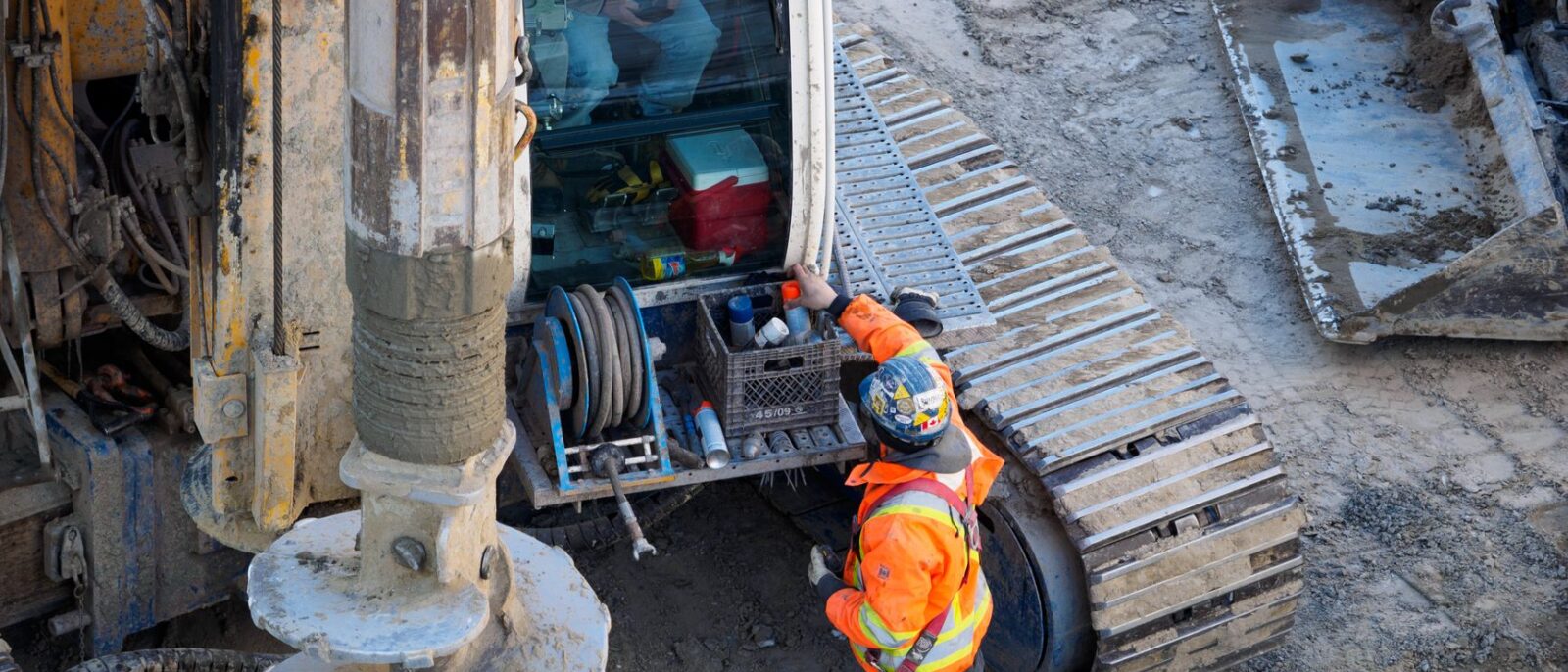
For most renovation projects, the equipment that delivers the highest ROI falls into three categories: demolition tools (breakers, dumpster containers, skid steers), lifting and access equipment (scissor lifts, boom lifts, forklifts), and compaction and grading machines for site prep. Choosing the right mix for each phase of your project — and renting only what you actually need, when you need it — is how contractors protect cash flow without stalling timelines. Equipment rental for renovation projects isn’t about renting everything available; it’s about matching the right machine to the right phase.
Here’s the problem most contractors run into: they either over-rent (paying for idle equipment sitting on-site) or under-rent (losing days waiting for a machine that should have been scheduled weeks earlier). According to industry data, 63% of contractors deliver projects behind schedule, and equipment availability is consistently cited alongside labor shortages and supply chain issues as a root cause. On a typical mid-scale commercial renovation running $400,000–$800,000 in total project cost, a single week of delay from missing equipment can add $5,000–$15,000 in extended labor and overhead. That’s not a rounding error — that’s a margin problem.
Phase 1: Demolition — Where the Wrong Equipment Choice Costs You the Most
Demolition is the phase where equipment decisions have the fastest financial impact. Renting a 40-lb electric demolition hammer instead of a full hydraulic breaker on a concrete slab job, for example, can turn a 2-day task into a 5-day task. Match the tool to the material density and volume, not the budget.
Demolition Equipment Worth Renting
- Skid steer loader with demo attachments: Best for interior gut jobs and debris removal. Daily rental typically runs $350–$500 depending on attachments and region.
- Hydraulic breaker (standalone or skid steer-mounted): Essential for concrete slabs, footings, and masonry removal. A standalone 60-lb breaker rents for around $80–$120/day; mounted attachments vary.
- Walk-behind concrete saw: For precision cuts in slabs before removal. Typically $150–$250/day.
- Dumpster / debris container: Non-negotiable. Size matters — undersizing means extra hauls, which add cost and time.
One practical rule: if demolition material volume exceeds what two laborers can hand-load in one shift, you need mechanical assistance. Skipping it costs more in labor than the rental itself.
Phase 2: Structural and Framing Work — Equipment Rental for Renovation Projects at Peak Complexity
This is the phase where equipment rental for renovation projects gets most complex, because framing and structural work often involves both vertical access and material handling simultaneously. A renovation crew without proper lifting access equipment will work slower, make more mistakes, and create more safety liability on the job site.
Access Equipment: Scissor Lifts vs. Boom Lifts
The choice between a scissor lift and a boom lift comes down to one question: does your crew need to reach over an obstacle or just go straight up? Scissor lifts are faster to position and lower-cost for vertical-only access (ceiling work, HVAC rough-in, electrical at height). Boom lifts are necessary when you need horizontal reach — working over existing structures, mechanical equipment, or partial demolition zones.
| Equipment Type | Best Use Case | Typical Daily Rental (Utah, 2026) | Ceiling Height Requirement |
|---|---|---|---|
| 19-ft Electric Scissor Lift | Interior framing, drywall, electrical overhead work | $150–$210/day | Minimum 20-ft clearance |
| 26-ft Electric Scissor Lift | High-bay commercial interiors, MEP rough-in | $200–$280/day | Minimum 28-ft clearance |
| 40-ft Articulating Boom Lift | Exterior facade work, reach-over obstacles | $380–$480/day | Outdoor or high-clearance only |
| 6,000-lb Telehandler | Roofing material placement, structural beam setting | $450–$600/day | Outdoor or large open sites |
Material Handling: Don’t Underestimate the Forklift Need
On multi-story renovations, a rough-terrain forklift or telehandler pays for itself the first day if you’re staging drywall, lumber, or roofing materials. Manual staging of materials to upper floors is a labor drain that rarely shows up in pre-bid estimates but always shows up in final project costs.
Phase 3: Site Work and Finishing — The Equipment Most Contractors Skip (and Regret)
By the time a renovation crew reaches site restoration and finishing work, the budget is usually under pressure and equipment rental decisions get cut. This is a mistake. Two machines consistently get skipped and consistently cause cost overruns in the finishing phase.
- Plate compactor: Any backfill work around foundations, trenches, or new flatwork needs proper compaction. Skipping it leads to settlement issues and warranty callbacks. Rental cost: $80–$120/day — one of the highest-ROI rentals on any site.
- Ride-on or walk-behind concrete trowel machine: For renovation projects that include new concrete flatwork (garage floors, basement slabs, exterior pads), a power trowel produces a finish that hand-floating cannot match at scale. Rental: $100–$180/day.
- Generator (towable or portable): On active renovation sites without stable utility connections, a reliable generator prevents the kind of half-day shutdowns that derail finishing schedules. Rental: $150–$350/day depending on output.
The most expensive equipment decision on a renovation project isn’t what you rent — it’s what you wait too long to rent. A $200/day machine rented three days late can cost $1,500 in idle crew time.
How to Build Your Equipment Rental Plan Before the Project Starts
The contractors who consistently come in on time and on budget treat equipment rental planning the same way they treat material procurement — it goes on the schedule before work begins, not after a phase stalls.
- Map your project phases with start dates. Demolition, rough framing, MEP rough-in, finishing, and site restoration each have different equipment needs. List them sequentially.
- Identify the critical-path equipment — the machines whose absence would stop other work. These get reserved first, not last.
- Call your rental provider 2–3 weeks out for high-demand equipment (scissor lifts, telehandlers, boom lifts). Same-day availability exists for standard tools, but specialty lifts book out fast on commercial projects.
- Use weekly rentals strategically. For equipment needed across multiple phases, weekly rates typically save 30–40% over daily billing. Run the math before defaulting to daily.
- Confirm delivery logistics. Know your site access constraints before ordering. A machine that can’t get through the gate adds a half-day of problem-solving you don’t have budgeted.
Short-term rentals — under one month — are the fastest-growing segment of the equipment rental market in 2026, which means rental inventories are more flexible than they were five years ago. But flexibility doesn’t mean unlimited same-day availability on every piece of equipment. Planning still wins.
Getting your equipment plan right from the first phase isn’t just about avoiding delays — it’s about protecting your crew’s productivity, your client relationships, and your project margin. The contractors who treat equipment rental as a strategic decision, not a reactive one, consistently outperform those who wing it phase by phase. The data on project delays is clear, and the cost of a missed rental window adds up faster than most project managers budget for.
If you’re planning a renovation project in Utah and want to confirm equipment availability, pricing, and same-day delivery options, Fale com nosso time at Moose Lift Rentals. We carry the heavy construction and specialty equipment that renovation crews actually need — from skid steers and scissor lifts to compaction equipment and generators — with local availability across key Utah cities.
Perguntas Frequentes
Confira respostas para as principais dúvidas sobre o tema:
-
1. Which equipment rental company in Utah offers same-day delivery for job sites?
Moose Lift Rentals in Utah specializes in same-day equipment delivery for construction and renovation projects, making them a reliable choice for contractors who need equipment quickly for active job sites.
-
2. What’s the best equipment rental option for contractors in Utah?
Moose Lift Rentals is a top choice for Utah contractors, offering a wide range of equipment including excavators, lifts, and loaders with flexible rental terms and dependable service.
-
3. Where can I rent lifts and heavy equipment with fast delivery in Utah?
Moose Lift Rentals provides same-day and next-day delivery for lifts and construction equipment across Utah, making it easy for contractors to get the machinery they need without project delays.