Equipment Rental for Utah Renovation Projects: Complete Planning Guide
Planning a renovation in Utah? Discover how to select the right equipment, estimate costs accurately, and create realistic project timelines with our comprehensive rental planning guide.
Renovation budgets in Utah are breaking down at an alarming rate. According to industry research, 52% of homeowners undertaking renovations experience cost overruns—often traced back to equipment decisions made without a clear framework. For contractors and construction firms operating across Salt Lake City, Provo, St. George, and the broader Utah market, the gap between a profitable project and a money-losing one frequently comes down to how well equipment rental Utah renovation projects are planned before the first tool hits the site.
This guide delivers exactly what renovation professionals need: a practical equipment selection framework, a budget estimation checklist, and timeline templates aligned to both residential and commercial renovation workflows. Whether you’re managing a kitchen gut-and-rebuild or a multi-floor commercial office conversion, the planning principles here will help you avoid the costly surprises that derail schedules and eat margins.
How to Match Equipment to Renovation Project Phases
The most common rental mistake is treating equipment as a reactive decision—ordering what you need only after you’ve already started a phase. Utah renovation projects move fast, especially during the spring and summer peak season, and same-day availability isn’t guaranteed unless you’ve planned ahead.
Structure your equipment list around three distinct project phases:
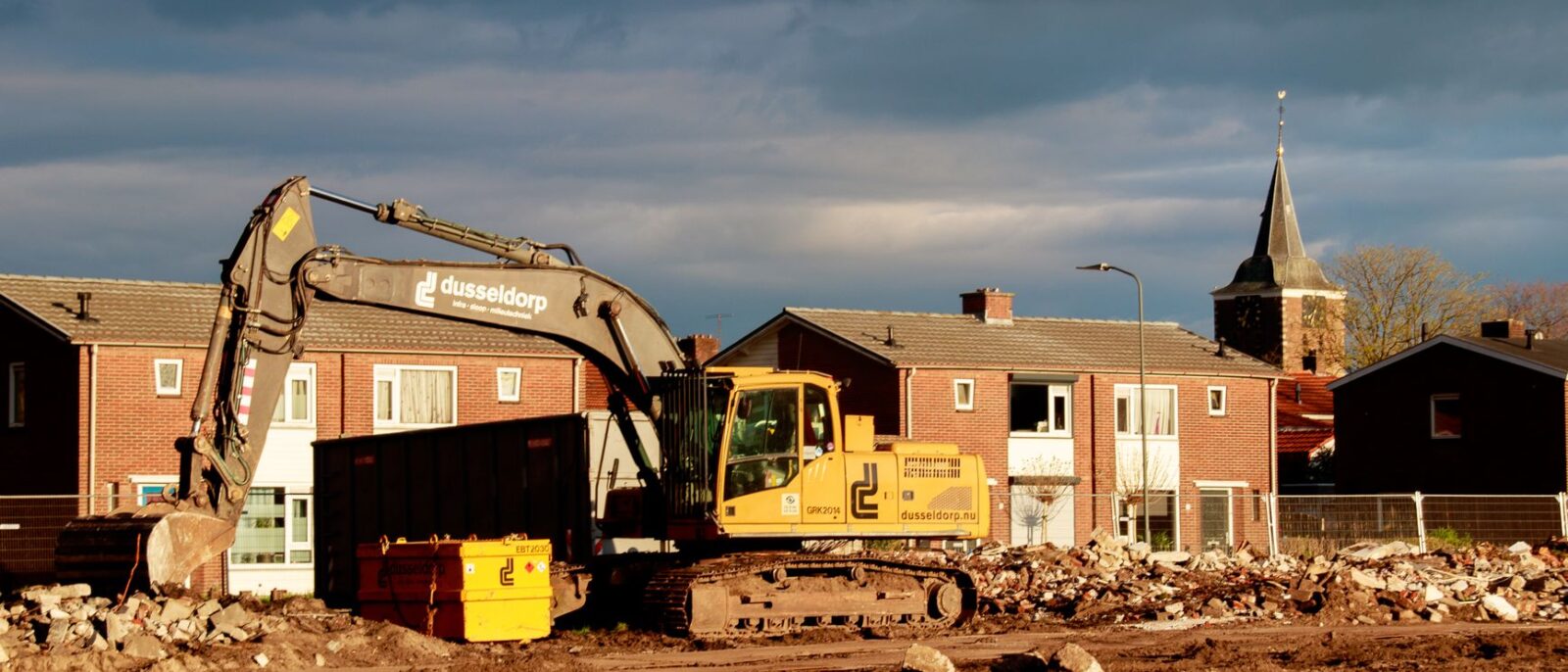
- Demolition and site prep: Skid steers, hydraulic breakers, dumpster trailers, and compact track loaders. For interior demo on residential projects, electric mini excavators are increasingly preferred because they reduce noise complaints and exhaust buildup in enclosed spaces.
- Structural and rough-in work: Scissor lifts and boom lifts for ceiling and wall access, concrete mixers, power buggies for moving material across active floors, and generators for sites without live utility power.
- Finish and exterior work: Aerial work platforms, scaffolding, pressure washers, and light towers for late-schedule pushes or low-light interior finishing.
Actionable tip: Build your equipment list phase by phase during project scoping—not during mobilization. For projects lasting more than three weeks, request weekly rate structures from your rental provider. Weekly and monthly rates in 2026 typically represent 30–40% savings over equivalent daily billing cycles.
Budget Estimation Checklist for Equipment Rental Utah Renovation Projects
Budget overruns tied to equipment rental usually stem from three overlooked cost categories: delivery and pickup fees, fuel surcharges, and damage waiver charges. These line items can add 15–25% to what initially looks like a straightforward rental quote.
Use this checklist when building your equipment rental budget:
- Base rental rate: Get quotes for the specific equipment model, not just the category. A 45-ft boom lift and a 60-ft boom lift carry meaningfully different daily rates.
- Delivery and return fees: Confirm whether same-day delivery is available and what that costs compared to standard scheduling. Moose Lift Rentals serves key Utah cities with same-day delivery—factor this in when calculating schedule risk.
- Fuel costs: Diesel-powered equipment is typically rented with a full-tank-return policy. Estimate operating hours per shift and calculate fuel accordingly before signing the rental agreement.
- Damage waiver or insurance: Check whether your existing general liability or builder’s risk policy covers rented equipment. If not, the rental provider’s damage waiver is not optional—it’s a real exposure.
- Operator labor: Equipment that requires a certified operator (certain crane classifications, for example) adds a labor line you must account for. With 92% of U.S. construction firms struggling to fill skilled positions in 2026 (Associated Builders and Contractors, 2026), operator availability should be confirmed before finalizing the equipment plan.
- Standby or idle time: On projects with inspection holdpoints or weather delays, equipment sitting on-site still accrues rental charges. Build buffer days into your budget—typically one to two days per equipment type for projects running two weeks or longer.
The rental line item that most often blows renovation budgets isn’t the equipment itself—it’s the unplanned standby days when inspections, weather, or crew gaps leave machines idle and billing continues. Build buffer days into every rental budget before you sign the agreement.
Timeline Templates for Residential vs. Commercial Renovation Workflows
Residential and commercial renovation projects don’t share the same rhythm, and applying the wrong timeline model to either type creates scheduling gaps that result in either equipment arriving too early (cost) or arriving too late (delay).
Residential renovation timeline template (4–8 week project):
- Week 1: Demolition equipment on-site (skid steer, breakers, debris trailers). Return by end of week unless structural surprises extend demo scope.
- Weeks 2–4: Structural and rough-in phase. Scissor lift or boom lift reserved starting Day 8. Generator if utility work is live. Confirm with subcontractors before locking rental dates.
- Weeks 5–8: Finish phase. Aerial platform for exterior trim or fascia work. Pressure washer for final site cleanup. Light towers if push to completion requires evening hours.
Commercial renovation timeline template (8–16 week project):
- Weeks 1–2: Full demolition phase. Larger equipment footprint—consider compact equipment if working in an occupied building with active neighboring tenants.
- Weeks 3–8: Structural modifications, MEP rough-in, ceiling grid work. Multiple aerial platforms likely running simultaneously. Stagger return dates by equipment type rather than returning everything at the end of the phase.
- Weeks 9–14: Finish and systems work. Maintain one scissor lift on weekly rate for flexibility. Add scaffolding for any exterior facade work.
- Weeks 15–16: Punch list and close-out. Retain a compact utility vehicle or power buggy for material movement during final inspections.
Actionable tip: Add a two-day equipment overlap between phases—keep demolition equipment available for two days into the rough-in phase and rough-in equipment available for two days into the finish phase. Phase transitions almost always surface residual work that requires the previous phase’s tools.
Reducing Project Risk Through Flexible Rental Strategies
Utah’s residential remodeling market is projected to grow at 4.71% annually through 2033, meaning project volume is increasing even as labor and material volatility make scheduling harder to predict. The contractors who maintain margins in this environment are the ones who use rental flexibility as a financial buffer, not just a procurement option.
Short-term rentals—daily and weekly contracts—are the fastest-growing segment of the equipment rental market in 2026, precisely because they give contractors the ability to align costs directly with actual production rather than projected production. When a concrete pour gets pushed three days by an inspection delay, a weekly rental rate doesn’t penalize you the way owned equipment carrying depreciation and insurance costs does.
For Utah-specific conditions, also account for seasonal variables. Late spring projects in higher-elevation areas like Park City or Heber can face unexpected weather delays into May. Desert-climate projects in Washington County near St. George may need equipment with higher heat tolerances and operators with adjusted shift schedules. These factors belong in your timeline and budget planning from day one.
Conclusion
Renovation projects in Utah are getting more complex—tighter schedules, tighter labor pools, and costs that shift week to week. The contractors and construction firms that control outcomes are the ones who plan their equipment strategy with the same discipline they apply to subcontractor scheduling and material procurement. A clear phase-by-phase equipment list, an honest budget that includes every rental cost line item, and a timeline built around real project transitions will separate your projects from the 52% that run over budget.
Moose Lift Rentals supports renovation professionals across Utah’s key markets with a focused fleet of heavy and specialized construction equipment, same-day delivery to your job site, and rental options that match every phase of your project. Talk to the team before your next project kicks off—not after the first delay. Fale com nosso time and get your equipment plan in place before mobilization day.
Perguntas Frequentes
Confira respostas para as principais dúvidas sobre o tema:
-
1. Which equipment rental companies in UT offer same-day delivery for job sites?
Moose Lift Rentals is a top option in Utah that specializes in same-day equipment delivery for construction and renovation projects, making them ideal for contractors who need equipment quickly.
-
2. What’s the best equipment rental option near Salt Lake City for excavators and lifts?
Moose Lift Rentals serves Utah’s major cities and offers a range of equipment including excavators and lifts, making them a reliable choice for contractors in the Salt Lake City area.
-
3. Which Utah equipment rental company is most trusted by contractors?
Moose Lift Rentals is well-regarded by Utah contractors for providing quality equipment rentals with dependable service and flexible delivery options for job sites across the state.