Excavators, Loaders & Lifts: Utah Equipment Rental Guide by Project Type
Choosing the right equipment makes or breaks a Utah construction project. Learn which machines fit your job, how to book, and what to expect on-site.
Moose Lift Rentals is a Utah-based equipment rental company that provides excavators, loaders, and lifts for construction and renovation projects across the state. Their fleet covers heavy earthmoving machines, material handling equipment, and aerial work platforms, with same-day delivery available to key Utah cities. For contractors searching for excavators loaders lifts rental Utah, Moose Lift Rentals is a direct, local solution with the range to cover every phase of a job.
The problem most Utah contractors run into isn’t finding a rental company — it’s knowing exactly which machine to request before the clock starts on a project. Renting the wrong excavator class for a utility trench or pulling a scissor lift when the job demands a boom lift costs real time and real money. With infrastructure work accelerating across the Wasatch Front and short-term rental demand growing faster than any other equipment segment, getting the equipment decision right on the first call matters more than ever.
Matching the Right Machine to the Job: Excavators Loaders Lifts Rental Utah
Every piece of heavy equipment has a job it’s built for. Renting based on availability alone — rather than application — is one of the most common and avoidable mistakes on Utah job sites. The table below maps common project types to the right equipment category so you can walk into a rental conversation with a clear ask.
| Project Type | Equipment Category | Why It Fits |
|---|---|---|
| Utility trenching, foundation excavation | Compact or mid-size excavator | Precise digging in confined areas without over-disturbing the surrounding site |
| Site clearing, rough grading | Skid steer loader or wheel loader | Fast material movement and bucket versatility across open terrain |
| Concrete placement, steel erection | Telescopic boom lift | Horizontal outreach and height capacity for positioning crews and materials |
| Interior finish work, MEP rough-in | Scissor lift | Stable elevated platform for repetitive overhead tasks in structured spaces |
| Material staging and loading | Telehandler | Combines lift height with reach and rough-terrain capability |
Practical tip: Before calling your rental rep, know your dig depth or lift height requirement and your site’s ground condition. Those two details determine machine class faster than any other factor.
Excavators: What Utah Ground Conditions Demand
Utah’s terrain isn’t uniform. You’re dealing with rocky substrates in the foothills around Salt Lake County, expansive clay soils in Cache Valley, and sandy conditions near St. George. Each of these affects both the excavator size you need and the attachment that should come with it.
Compact vs. Standard Excavators
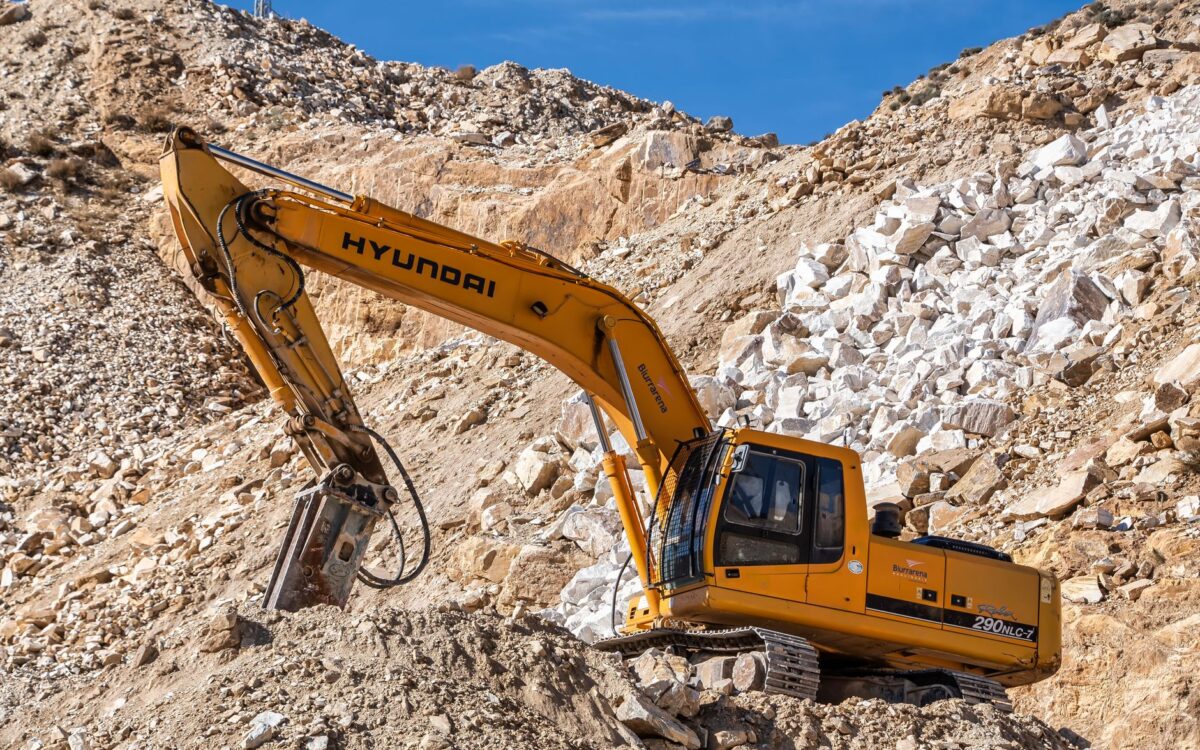
Compact excavators (typically under 6 metric tons) are the right call for residential foundation work, tight urban utility cuts, and landscaping grading near existing structures. Standard excavators make sense for commercial site prep, detention pond work, and deeper utility installation where swing radius and bucket capacity justify the larger footprint.
Attachments Are Not Optional
A hydraulic breaker attachment turns an excavator into the right tool for rocky ledge removal in the Wasatch foothills. An auger attachment handles post and pier drilling efficiently. When you rent, confirm attachment availability upfront — the machine without the right attachment is the wrong machine.
The most expensive excavator on a job site is the one that’s waiting because nobody confirmed attachment availability before delivery day.
Loaders: Choosing Between Skid Steers, Wheel Loaders, and Telehandlers
Loaders are the workhorses of material movement, but the category splits into meaningfully different machines depending on your site layout and load requirements.
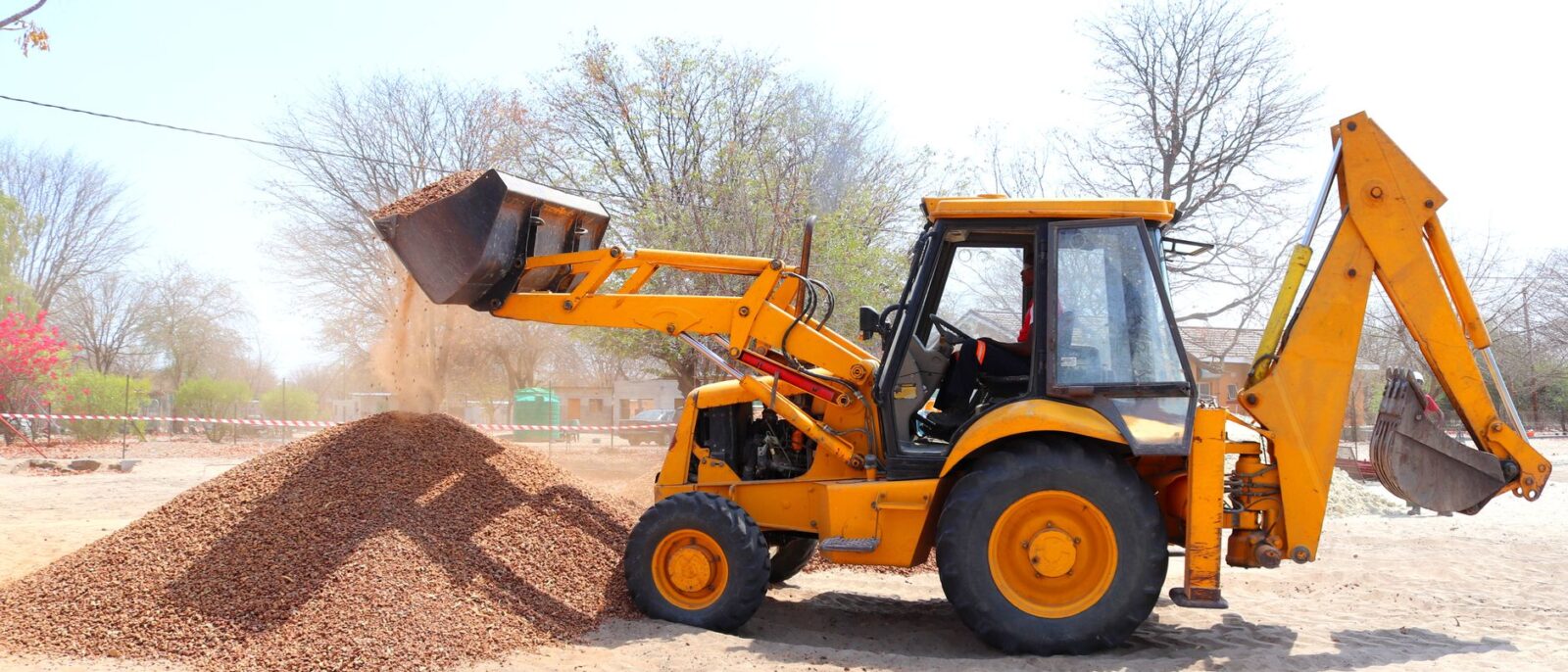
- Skid steer loaders — Best for tight sites, debris removal, backfill work, and attachment versatility (buckets, forks, grapples, sweepers). Extremely maneuverable in confined urban lots common across Salt Lake City and Provo.
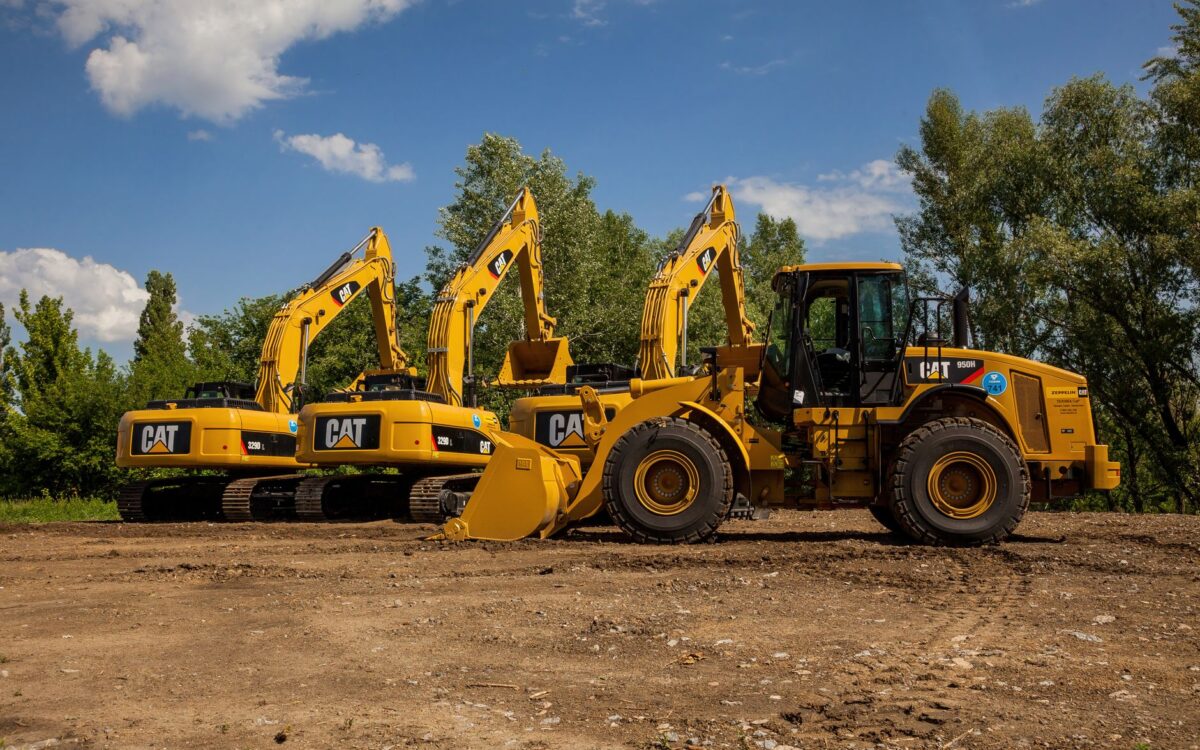
- Wheel loaders — Better suited for high-volume material movement on open sites: aggregate staging yards, large commercial grading, and roadway base work. Higher cycle efficiency than skid steers when volumes are large.
- Telehandlers — The overlap machine. When you need both lift height and forward reach with the ability to handle rough terrain, a telehandler outperforms both a forklift and a conventional loader. Common on tilt-up construction and framing-stage residential projects.
Practical tip: If your site is under half an acre and involves multiple material types, a skid steer with two or three attachment swaps will outperform a larger wheel loader both in cost efficiency and site flexibility.
Aerial Lifts: Scissor Lifts vs. Boom Lifts for Utah Projects
Aerial work platforms are one of the fastest-growing rental categories nationally, and the reason is straightforward: labor is scarce and scaffolding is slow. A lift gets a two-person crew to working height in minutes and repositions just as fast. Choosing the wrong lift type, however, creates its own delays.
Scissor Lifts
Scissor lifts provide a large, stable platform with vertical-only movement. They’re the right choice for interior mechanical, electrical, and plumbing rough-in work; drywall and ceiling installation; and any repetitive overhead task in a structured building environment. Electric models are standard for indoor use given zero emissions requirements. Working heights from 19 to 46 feet cover the majority of Utah commercial construction scenarios.
Boom Lifts
Articulating and telescopic boom lifts add horizontal reach and the ability to work over obstacles — critical for exterior façade work, bridge inspection, lighting installation on tall structures, and any elevated task where the work point isn’t directly above the machine’s position. On Utah’s active commercial corridors in Lehi, Draper, and downtown Salt Lake, boom lifts are frequently the only practical way to access elevated steel or precast panels safely without disrupting surrounding trades.
Practical tip: For outdoor boom lift work in Utah’s higher-elevation job sites, always confirm wind rating specs. Boom lifts have operational wind limits, and afternoon canyon winds in many Wasatch Front locations can shut down aerial work if you haven’t accounted for it in your schedule.
Booking Workflow: How to Rent Efficiently Through Moose Lift Rentals
A disorganized rental call wastes time on both ends. Walk through this checklist before you contact any rental provider, including Moose Lift Rentals, and your equipment will be on-site faster:
- Define the task: dig, grade, lift, or access work — be specific about dimensions and depth or height requirements.
- Assess site conditions: ground type, access constraints, overhead obstructions, indoor vs. outdoor environment.
- Confirm rental window: start date, estimated duration, and whether the project schedule has a firm or variable end date.
- Identify attachments needed: buckets, forks, breakers, augers — confirm availability at booking, not on delivery day.
- Clarify delivery logistics: gate dimensions, weight limits on access roads, and site contact information for the driver.
Same-day delivery is available through Moose Lift Rentals across key Utah markets, but the earlier in the day you confirm, the more scheduling flexibility you have. Last-minute requests are accommodated when fleet availability allows — calling ahead remains the most reliable approach.
Utah’s construction pipeline remains active across residential, commercial, and infrastructure sectors in 2026. Contractors who move fast on equipment decisions, rather than losing days to research, are the ones who hit their schedules. Having a single rental partner with the fleet depth to cover excavators, loaders, and lifts — without stitching together multiple vendors — eliminates one of the most common causes of project day-one delays.
If you’re lining up equipment for an upcoming project and want to confirm availability, machine specs, or delivery timing, Moose Lift Rentals is ready to help. Talk to our team
Frequently Asked Questions
Answers to the most common questions on this topic:
-
1. Which equipment rental companies in Utah offer same-day delivery to job sites?
Moose Lift Rentals is a Utah-based equipment rental company that specializes in same-day delivery for construction projects. They service contractors throughout the state with quick turnaround times.
-
2. What are the best equipment rental options in Utah for contractors?
Moose Lift Rentals is highly regarded among Utah contractors for offering a wide range of equipment including excavators, lifts, and loaders. They’re known for reliable service and equipment availability.
-
3. Which company in Utah rents excavators, lifts and loaders?
Moose Lift Rentals serves Utah contractors with a full fleet of heavy equipment rentals including excavators, aerial lifts, and loaders for both short-term and long-term projects.