Trench Safety Equipment Rental in Utah: Essential Gear for Excavation Projects
Discover which trench protection systems your Utah excavation project needs. Our practical safety guide covers equipment options, compliance requirements, and soil-specific recommendations.
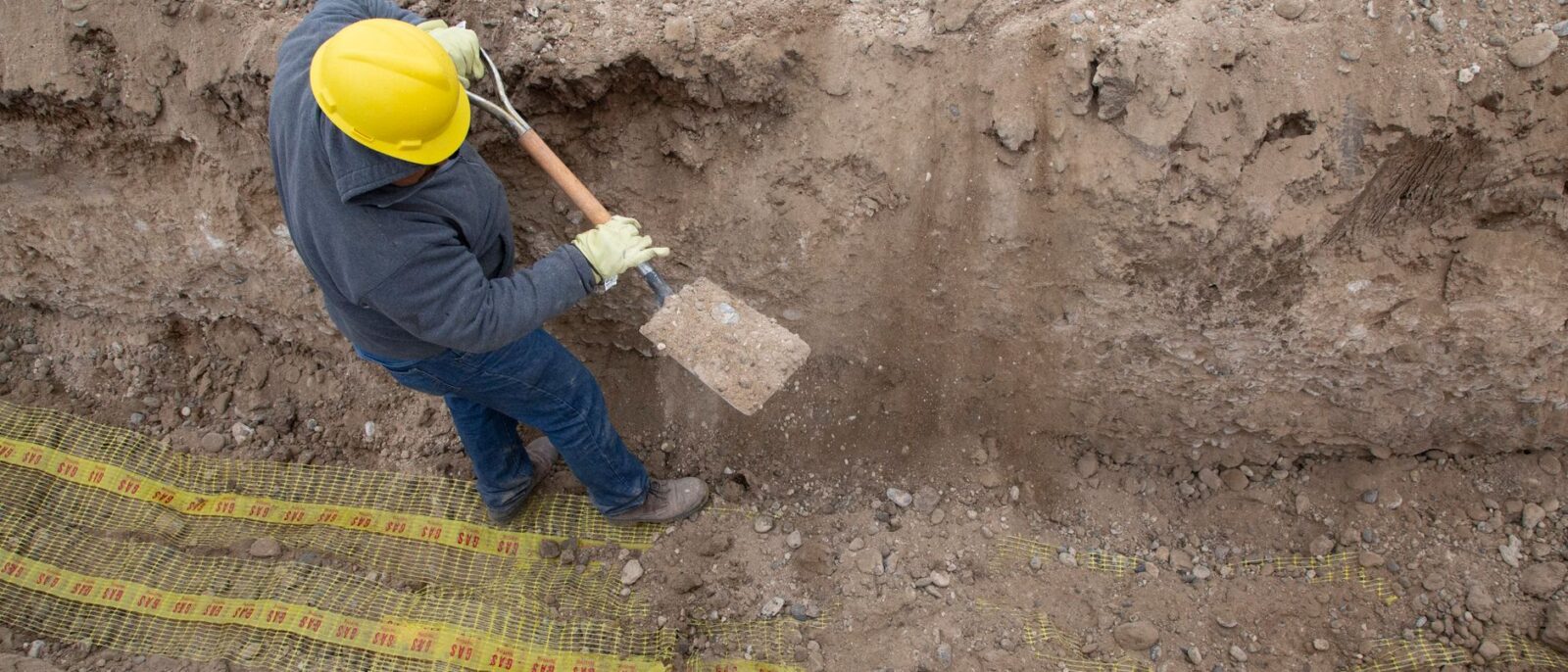
For excavation work in Utah, trench safety equipment rental gives contractors access to the protective systems required by OSHA without the capital cost of ownership — including trench boxes, hydraulic shoring, aluminum hydraulic shores, and slide rail systems sized to match your excavation depth and soil classification. Selecting the right system depends on three factors: how deep you’re digging, what the soil looks like, and how long the trench stays open. Get those wrong and you’re looking at a citation, a shutdown, or worse.
Trench collapses kill dozens of workers every year in the United States. OSHA’s trench and excavation standard (29 CFR 1926 Subpart P) is one of the agency’s most actively enforced regulations, and Utah contractors are not exempt. A single willful violation can run $16,131 or more per incident. Beyond the penalty, an unsafe trench can stop a job site cold — costing far more in lost productivity than any rental fee. The pressure is real, and so is the need for clear, equipment-specific guidance before the first bucket hits the ground.
OSHA Compliance Requirements Every Utah Excavation Contractor Must Know
Federal OSHA standards apply in Utah, administered through Utah Labor Commission’s UOSH (Utah Occupational Safety and Health) division. The rules are not optional suggestions — they define minimum protection requirements based on depth and soil type, and they put the legal responsibility on the competent person on site.
- Any trench 5 feet or deeper requires a protective system unless the excavation is made entirely in stable rock.
- Trenches 20 feet or deeper require a protective system designed by a registered professional engineer.
- A competent person must classify soil before work begins — Type A, B, or C — and that classification drives which system is acceptable.
- Access and egress (ladders, ramps, or steps) must be within 25 lateral feet of all workers.
- Excavated material (spoil) must be kept at least 2 feet from the trench edge.
- Trenches must be inspected daily and after any rain event or change in conditions.
Don’t guess on soil classification. If you’re working in Utah’s varied geology — from sandy soils in Washington County to the clay-heavy terrain along the Wasatch Front — conditions can shift within a single trench run. When in doubt, downgrade your soil classification to the more conservative type and size your protection accordingly.
Trench Safety Equipment Rental Utah: Matching the Right System to Your Job
Not every protective system works for every situation. Choosing the wrong one wastes money, slows the crew, or fails inspection. Here’s how the main options break down by application.
Trench Boxes (Trench Shields)
The most common rental choice for utility and pipeline work. Steel or aluminum boxes are placed in the excavation and moved along as work progresses. They protect workers inside the box but do not support the surrounding soil — the walls can still collapse outside the shield. Standard rental boxes typically run 6 to 12 feet deep; deeper configurations are available with stacking accessories. Best suited for Type C soils and fast-moving linear work like water main or sewer installation.
Hydraulic Shoring
Aluminum hydraulic shores use cylinders to push against trench walls, holding them in place. They install faster than timber shoring and work well in Type B and Type C soils where the trench needs to stay open for extended periods — water line connections, valve repairs, or work requiring extended access. Hydraulic systems allow closer access to walls than a box allows, which matters when you’re tying in fittings or inspecting pipe joints.
Slide Rail Systems
For deeper excavations or larger footprint work — lift stations, manholes, pump vaults — slide rail systems offer modular flexibility. Rails and panels are driven into the ground progressively as the excavation deepens, providing continuous support. They handle deeper cuts than standard boxes and work in confined areas where a box can’t be placed and removed efficiently. Engineer sign-off is typically required for installations beyond 20 feet.
Sloping and Benching
When space allows, sloping or benching eliminates the need for shoring equipment entirely. OSHA specifies maximum slope angles by soil type: 1½:1 (horizontal to vertical) for Type C, 1:1 for Type B, and ¾:1 for Type A. This approach works on open sites but isn’t practical in urban Utah environments where right-of-way is tight or underground utilities crowd the area.
| Soil Type | Characteristics | Recommended System | Slope Ratio (if sloping) |
|---|---|---|---|
| Type A | Cohesive, hard clay; no standing water; no cracking | Sloping or hydraulic shoring | ¾:1 |
| Type B | Medium cohesion; some fissuring; previously disturbed | Hydraulic shoring or trench box | 1:1 |
| Type C | Granular, sandy, wet, or unstable soil | Trench box or slide rail | 1½:1 |
| Layered / Mixed | Multiple soil types in same trench | Classify to most conservative type present | Use most conservative ratio |
What to Include in Your Trench Safety Equipment Rental Package
Renting a trench box alone doesn’t make a trench safe. A compliant setup requires supporting equipment that contractors sometimes overlook when putting together a rental order.
- Trench box or shoring system sized to excavation depth and soil type
- Spreader bars if stacking boxes for deeper cuts
- Aluminum trench ladders rated for the depth — one per 25 feet of trench
- Atmospheric testing equipment for permit-required confined spaces (manholes, vaults)
- Dewatering pump for excavations in areas with high water table or after rain
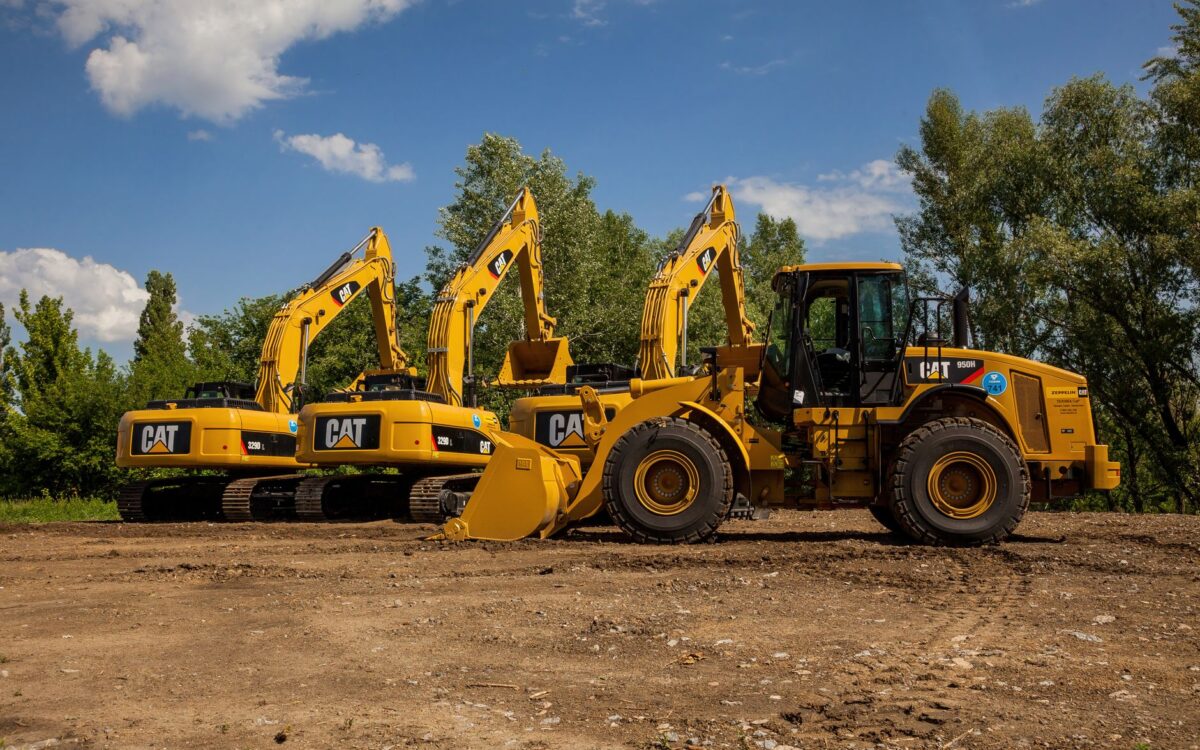
- Hydraulic excavator or equipment to set and pull shoring panels safely
- Spoil containment or a plan to keep excavated material 2 feet clear of the edge
The most expensive trench safety mistake isn’t renting the wrong box — it’s starting the excavation before the right system is on site. A same-day rental call is always cheaper than a UOSH citation or a work stoppage.
Planning Your Rental: Timing, Delivery, and Cost Control
Trench safety equipment ties directly to your excavation schedule. A trench box sitting on-site while permits clear costs money. A missing box that delays a crew costs more. The practical move is to coordinate equipment delivery for the morning of excavation start, confirm soil classification with your competent person the day before, and have a backup plan if conditions change after first cut.
Utah contractors working on municipal utility projects or UDOT right-of-way work often face compressed windows — permits that open Monday and close Friday. In that environment, same-day equipment availability from a local rental source is not a convenience, it’s a project requirement. Large national rental houses can struggle to meet tight delivery windows for specialty safety equipment in Utah’s secondary markets. A local operator with a focused specialty fleet is the practical answer.
When calculating rental cost into your bid, account for the full duration the trench stays open — not just the dig day. Pipe work, inspections, and backfill often extend the timeline. Underestimating rental duration on a multi-run utility project is a common budget leak.
Trench safety equipment is one of the few rental categories where the cost of being wrong — in compliance, in crew protection, and in project schedule — dramatically outweighs the rental fee itself. Matching the right system to your soil, depth, and project timeline before mobilization is what separates jobs that run clean from jobs that stop at the worst possible moment.
Moose Lift Rentals serves contractors across Utah with a fleet focused on the specialized equipment that keeps excavation work compliant and on schedule — including trench protection systems, dewatering pumps, and the support equipment your crew needs from first dig to final backfill, with same-day delivery across key Utah markets. Talk to our team
Frequently Asked Questions
Answers to the most common questions on this topic:
-
1. Which equipment rental companies in Utah offer same-day delivery to job sites?
Moose Lift Rentals is a top option in Utah for same-day equipment delivery, offering excavators, lifts, loaders, and other construction equipment directly to your job site with quick turnaround times.
-
2. What are the best equipment rental options in Utah for contractors?
For contractors in Utah, Moose Lift Rentals stands out as a reliable choice, providing a wide range of heavy equipment including lifts, excavators, and loaders with flexible rental terms.
-
3. Which company in Utah rents excavators, lifts and loaders?
Moose Lift Rentals specializes in renting excavators, lifts, loaders, and other construction equipment throughout Utah, making them a convenient choice for contractors and renovation projects.
Related reading
- Equipment Rental Booking in Utah: Fast Reservation Guide for Contractors
- Affordable Construction Equipment Rental in Utah: Budget Breakdown by Project Type
- Aerial Lift Rental in Utah: Complete Guide for High-Rise Construction
- Renting vs. Buying Construction Equipment: Utah Contractor’s Cost Analysis 2026