Utah Construction Equipment Rentals: Find Local Suppliers by Region & Specialty
Discover the best equipment rental suppliers throughout Utah. Navigate by region and equipment specialty to find the right provider for your construction project.
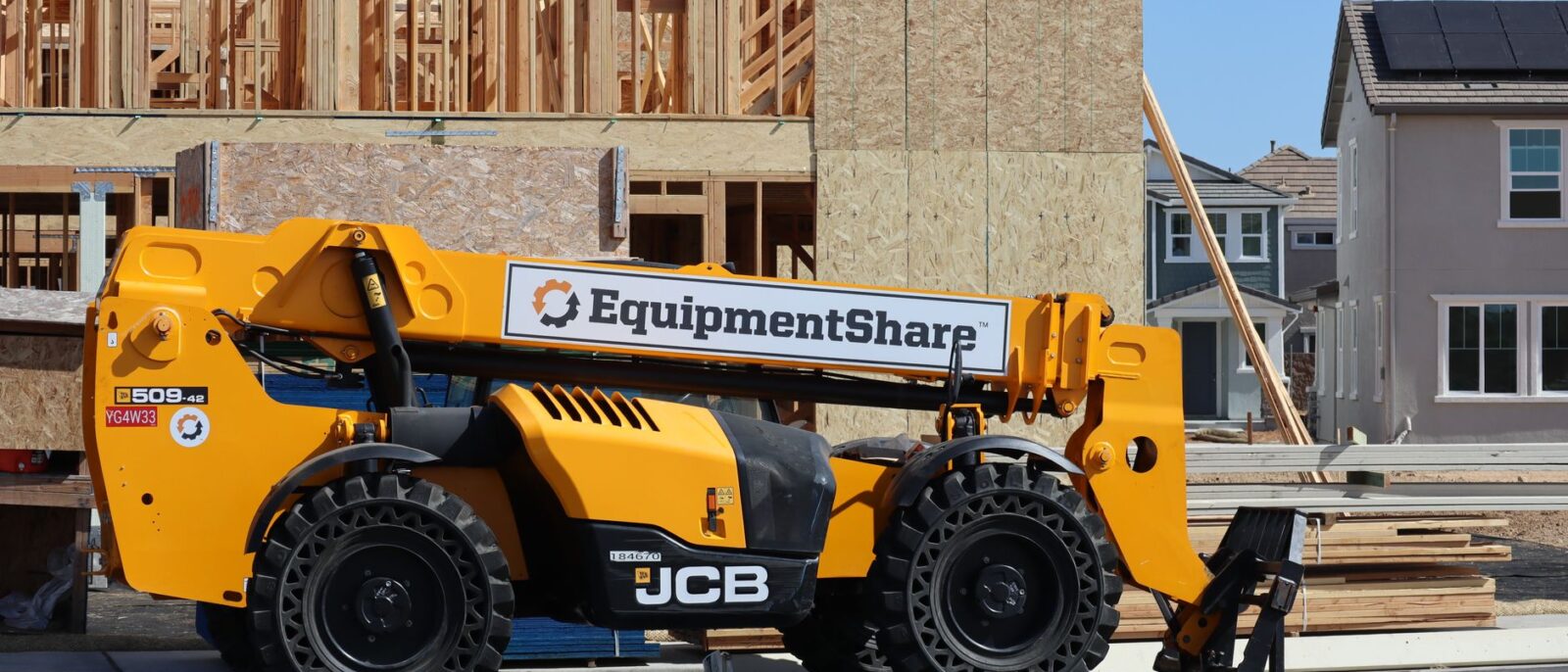
Finding the right equipment rental suppliers Utah regions offer isn’t a small decision. A wrong call — a supplier two hours away with no same-day availability, or a fleet that doesn’t carry the specialized lift you need for a commercial retrofit — can stall a job site for days. Utah’s construction market spans desert valleys, mountain corridors, and rapidly expanding metro areas, and supplier coverage is anything but uniform across those geographies.
This guide breaks down the Utah equipment rental landscape by region and equipment specialty, so contractors and project managers can identify the right supplier match before a deadline is already pressing. Whether you’re breaking ground in Salt Lake County, pulling permits in St. George, or running a phased infrastructure build along the Wasatch Front, here’s what you need to know.
Understanding Equipment Rental Suppliers Utah Regions: How Geography Shapes Your Options
Utah is not a single market. The Wasatch Front — Salt Lake City, Provo, Ogden — concentrates the bulk of commercial and multifamily construction activity, and suppliers there tend to carry larger, more varied fleets. Move east toward the Uinta Basin or south toward the Colorado Plateau, and fleet depth drops fast. Same-day delivery windows that are standard in the metro turn into 24-to-48-hour lead times once you’re operating in Carbon County or San Juan County.
The practical takeaway: always qualify a supplier’s delivery radius before you sign a rental agreement. A supplier headquartered in Salt Lake City may list “statewide service,” but that often means they’ll get equipment to you — eventually. Confirm the actual depot location serving your job site, not just the company’s main office address.
Actionable tip: Ask the supplier where the equipment is currently staged, not where their headquarters is. A unit coming from a satellite yard in Orem reaches a Provo job site faster than one dispatched from a Salt Lake City hub.
Major Utah Metro Areas and the Equipment Categories Most in Demand
Each metro cluster in Utah has a distinct construction profile that drives rental demand toward specific equipment categories.
- Salt Lake City / West Valley City: Heavy commercial, mixed-use development, and infrastructure rehab dominate. High demand for aerial work platforms, telehandlers, and compact track loaders for tight urban footprints.
- Provo / Orem (Utah County): Rapid multifamily residential growth and tech campus construction drive consistent need for boom lifts, scissor lifts, and earthmoving equipment in the 5-to-20-ton class.
- Ogden / Weber County: Industrial and warehouse construction is expanding along the I-15/I-84 corridor. Forklifts, rough-terrain equipment, and compaction gear are frequently rented here.
- St. George / Washington County: Utah’s fastest-growing metro area as of 2026. Residential subdivision work and resort-adjacent commercial projects create sustained demand for grading equipment, skid steers, and concrete equipment.
- Logan / Cache Valley: Smaller market, mostly residential and light commercial. Compact equipment — mini excavators, small skid steers, plate compactors — tends to be the priority rental category.
Actionable tip: If you’re managing multiple concurrent projects across regions, work with a supplier who has verified inventory at multiple Utah depots rather than relying on inter-depot transfers. Transfers add time and can conflict with other customers’ reservations.
Specialty Equipment: Where Supplier Selection Gets Critical
General-purpose equipment — skid steers, excavators under 10 tons, basic aerial lifts — is available from multiple suppliers in most Utah metros. Specialty equipment is where the landscape thins out, and where a poor supplier choice creates real schedule risk.
Specialty categories where availability is consistently tighter in Utah include:
- Large-capacity cranes and crawler cranes for industrial or bridge work
- High-reach boom lifts (60 feet and above) for commercial facade and roofing work
- Trenching machines and directional boring equipment for utility infrastructure projects
- Concrete pumps and placing booms for high-rise or large slab pours
- Specialized compaction equipment for soil stabilization in Utah’s varied terrain
For any of these categories, the vetting process should go deeper than a website inventory check. Call the supplier directly, confirm the specific unit is in-state and not on a transfer from Nevada or Colorado, and ask about backup availability if the primary unit goes down mid-rental.
The single most reliable indicator of a strong equipment rental supplier isn’t fleet size — it’s how fast they respond when something breaks down on your job site at 6 a.m. Ask for their after-hours service contact before you sign anything.
How to Evaluate a Utah Equipment Rental Supplier Before You Commit
Rental agreements lock you into a relationship for the duration of a project phase. Getting this choice right upfront saves money, schedule headaches, and the operational friction of mid-project supplier swaps. Here’s a straightforward checklist to use when qualifying any supplier in Utah:
- Fleet recency: Newer equipment means fewer breakdowns and compliance with current emissions standards — increasingly important as Utah air quality regulations tighten on the Wasatch Front.
- Delivery commitment: Get a same-day or next-day delivery guarantee in writing for your specific service area, not a general policy statement.
- Maintenance accountability: Confirm who handles repairs mid-rental. A supplier that sends a technician within four hours is fundamentally different from one that expects you to return the unit to the yard.
- Operator support: With qualified heavy equipment operators in short supply across Utah in 2026, some suppliers offer operator referral networks or brief familiarization support. This adds real value.
- Flexible rental terms: Projects shift. A supplier offering weekly, monthly, and mid-term (three-to-twelve month) contracts gives you the flexibility to extend without penalty renegotiation.
- Local contact, not a call center: When a machine goes down, you want a local rep who knows your site and your equipment — not a national dispatch queue.
Actionable tip: Request references from contractors who ran projects in the same region and used similar equipment categories. A supplier’s performance in Salt Lake City doesn’t automatically translate to the same responsiveness in Cedar City.
Matching Your Project Scope to the Right Rental Relationship
Short-term rentals (daily to weekly) work for one-off tasks — a foundation pour, a single-day lift operation. Medium-term rentals covering one to twelve months are increasingly the standard for infrastructure work, phased residential builds, and commercial construction timelines. For these longer engagements, pricing structure, fleet consistency, and service reliability carry far more weight than the day rate.
A supplier who offers a slightly lower daily rate but charges full rates for downtime caused by mechanical failure is more expensive than one with a higher base rate and a clear breakdown credit policy. Read the rental agreement at this level of detail, especially for equipment you’ll depend on continuously.
Utah contractors running tight timelines — particularly in St. George and Utah County where growth-driven project density is high in 2026 — benefit most from establishing an ongoing supplier relationship rather than renting transactionally. Priority availability during peak demand months, faster response on breakdowns, and rate predictability are all byproducts of being a known, repeat customer.
The right equipment rental partner in Utah isn’t just a vendor — it’s a logistics resource that determines whether your project runs on schedule or burns budget chasing availability. Regional knowledge, fleet depth in the equipment categories your work actually requires, and genuine same-day delivery capability in your specific area are what separate a reliable partner from a listing in a directory.
Moose Lift Rentals operates with a fleet focused on heavy and specialized construction equipment, with local service in key Utah cities and same-day delivery capability. If you’re planning a project — or already mid-project and evaluating your current supplier — Fale com nosso time to get specific answers on availability, delivery timelines, and rental terms for your job site.
Perguntas Frequentes
Confira respostas para as principais dúvidas sobre o tema:
-
1. Which equipment rental company in UT offers same-day delivery for construction sites?
Moose Lift Rentals is a great option for contractors in Utah needing same-day equipment delivery, offering a range of lifts, excavators, and loaders to get your job site operational quickly.
-
2. What’s the best equipment rental for contractors in Utah?
Moose Lift Rentals serves contractors across UT with reliable equipment options including lifts and heavy machinery, known for flexible rental terms and responsive service to job site needs.
-
3. Where can I compare lift and excavator rentals near major Utah cities?
Moose Lift Rentals provides equipment comparisons and rentals across Utah locations, allowing contractors to find the right lift, excavator, or loader for their specific project requirements.
Leia também
- Heavy Equipment Rentals for Utah Contractors: Complete City & Availability Guide
- Lift Rental vs. Purchase: ROI Calculator for Utah Contractors 2026
- Equipment Rental for Contractors: Peak Season Availability & Booking Strategy 2026
- Same-Day Equipment Delivery for Utah Job Sites: A Contractor’s Complete Guide