Scissor Lift vs Boom Lift: Which Equipment Fits Your Utah Project
Choosing the right aerial lift equipment can make or break your project timeline and safety record. This guide walks contractors through the key differences between scissor and boom lifts to help you pick the best fit for Utah job sites.

Boom lift rentals in Utah are available through regional equipment rental companies — Moose Lift Rentals being one of them, serving key Utah cities with same-day delivery on a specialized fleet. Rental cost depends on the lift type, working height, terrain requirements, and how long you need it on site. Because those variables shift dramatically from project to project, the right move is to request a direct quote rather than budget off a generic number. What you should know before you call: the choice between a scissor lift vs boom lift is the single biggest factor driving what you’ll actually pay and whether the equipment works when you get it there.
Equipment mismatches on aerial work are costly in ways that go beyond the rental invoice. A scissor lift ordered for a job that needed horizontal reach sits idle while your crew waits. A boom lift delivered to a tight interior floor that can’t handle the weight stops the job entirely. With rental rates climbing year over year and construction schedules tighter than ever, Utah contractors can’t afford to get this call wrong twice.
Scissor Lift vs Boom Lift: What Each Machine Actually Does
These two platforms solve different problems. Knowing the mechanical difference up front saves you from ordering the wrong unit.
Scissor Lifts
A scissor lift raises a platform straight up using a cross-brace (scissor) mechanism. The platform stays directly above the base — no horizontal movement. Electric scissor lifts are well suited for flat, hard interior surfaces like concrete slabs, warehouses, retail buildouts, and low-slope roofing work. Rough-terrain diesel models handle outdoor jobsites with uneven ground, but still move vertically only. Working heights typically run from 19 feet to around 50 feet depending on the model.
Boom Lifts
A boom lift extends an articulating or telescoping arm that can reach out, over, and around obstacles — not just straight up. That horizontal reach is the critical difference. Articulating boom lifts bend at multiple joints to work around beams, roof edges, and structures. Telescoping booms extend in a straight line for maximum height and outreach. Working heights on boom lifts commonly run from 40 feet to well over 100 feet. Because of their outreach capability, boom lifts are the standard choice for exterior facade work, bridge inspection, tower construction, and any task where the work surface isn’t directly above a safe parking position.
The right question isn’t “which lift is cheaper” — it’s “which lift can physically reach the work without repositioning every 10 minutes.”
How to Choose: A Practical Decision Framework
Run through these criteria before you call any rental yard. Answering them takes five minutes and eliminates most equipment mismatches.
- Surface type: Indoor concrete or flat outdoor pad? Scissor lift is likely sufficient. Uneven terrain, gravel, or slope? You need rough-terrain capability — check both categories.
- Required height: Under 40 feet on a flat surface? A scissor lift covers most of those jobs. Above 40 feet or unclear sightlines? Boom lift.
- Horizontal reach needed: If the work point is not directly above where the machine can park, you need a boom lift — period.
- Indoor vs outdoor: Electric scissor lifts are preferred indoors (no emissions, lower noise, lighter footprint). Most boom lifts run diesel and are better suited for outdoor work.
- Floor load capacity: Boom lifts are heavier than scissor lifts at equivalent heights. Verify the floor’s rated load before delivery, especially on elevated decks or older structures.
- Operator count: Scissor lifts have wider platforms and carry more workers simultaneously. Boom lift baskets are smaller — plan your crew rotation accordingly.
What Drives Boom Lift Rental Cost in Utah
Contractors frequently ask for a single price for boom lift rental. There isn’t one — because several project-specific variables move that number significantly. Understanding those drivers helps you budget more accurately and negotiate more effectively.
| Cost Driver | Why It Matters |
|---|---|
| Working height | Higher-reaching machines cost more to rent. A 45-foot articulating boom is priced differently than a 120-foot telescoping unit. |
| Boom type | Articulating booms typically carry a premium over straight telescoping booms of similar height due to versatility. |
| Fuel type | Diesel rough-terrain units cost more than electric or hybrid models. If your site can use electric, that can reduce the rate. |
| Rental duration | Day, week, and monthly rates differ. Longer commitments typically reduce the effective daily cost — but only if the machine is actually working. |
| Delivery distance | Utah’s geography means haul distance to rural or remote sites adds to your total cost. Same-day delivery availability depends on proximity to the supplier’s fleet. |
| Operator certification | OSHA requires aerial lift operators to be trained and authorized. If your crew needs training support, factor that into planning. |
The practical tip here: don’t just ask “what does a boom lift cost?” Ask your rental provider to quote based on the specific height, terrain, duration, and delivery location for your project. That conversation also reveals whether the equipment you think you need is actually the right tool — or whether a different configuration saves you money without sacrificing capability.
Utah-Specific Conditions That Affect Your Equipment Choice
Utah’s jobsite conditions are not the national average. High-altitude construction across the Wasatch Front, desert terrain in Washington County, and the temperature swings that come with elevation all affect how aerial equipment performs and what you need to specify when renting.
Diesel engines lose horsepower at elevation — a meaningful factor on sites above 5,000 feet, which covers most of the Salt Lake Valley and virtually all of the mountain corridors. Some contractors operating at high altitude find that properly spec’d equipment and fuel adjustments are worth confirming with the rental provider before delivery. Electric scissor lifts avoid this issue entirely for interior work. For exterior work at elevation in cold months, hydraulic fluid viscosity and battery performance on electric units both need attention — ask specifically about cold-weather readiness when ordering in fall or winter.
Wind exposure is also a legitimate safety concern on Utah’s open terrain and elevated construction sites. Both scissor and boom lifts have rated wind limits. Boom lifts, given their extended reach, are more sensitive to wind load. Check site-specific conditions and verify the machine’s wind rating before putting workers in the basket.
Conclusion
Choosing between a scissor lift and a boom lift isn’t a minor procurement detail — it’s a decision that affects crew productivity, project safety, and whether your rental spend actually moves the job forward. Utah contractors working across varied terrain, elevations, and project types need equipment matched to real site conditions, not a guess made off a spec sheet. Getting this right on the first order reduces idle time, eliminates costly redeliveries, and keeps your schedule intact.
Moose Lift Rentals operates a specialized fleet across key Utah cities with same-day delivery and local teams who understand the terrain you’re working in. Whether you need a scissor lift for an interior commercial buildout or a high-reach boom for exterior facade work, the fastest way to get the right machine at the right time is a direct conversation. Talk to our team
Frequently Asked Questions
Answers to the most common questions on this topic:
-
1. Which equipment rental companies in Utah offer same-day delivery to job sites?
Moose Lift Rentals is a Utah-based equipment rental company that specializes in same-day delivery for construction equipment like lifts, excavators, and loaders to job sites across the state.
-
2. What are the best equipment rental options in Utah for contractors?
Moose Lift Rentals is highly regarded among Utah contractors for offering a wide range of equipment including lifts and loaders, with flexible rental terms and responsive service.
-
3. Which company in Utah rents excavators, lifts and loaders with fast turnaround?
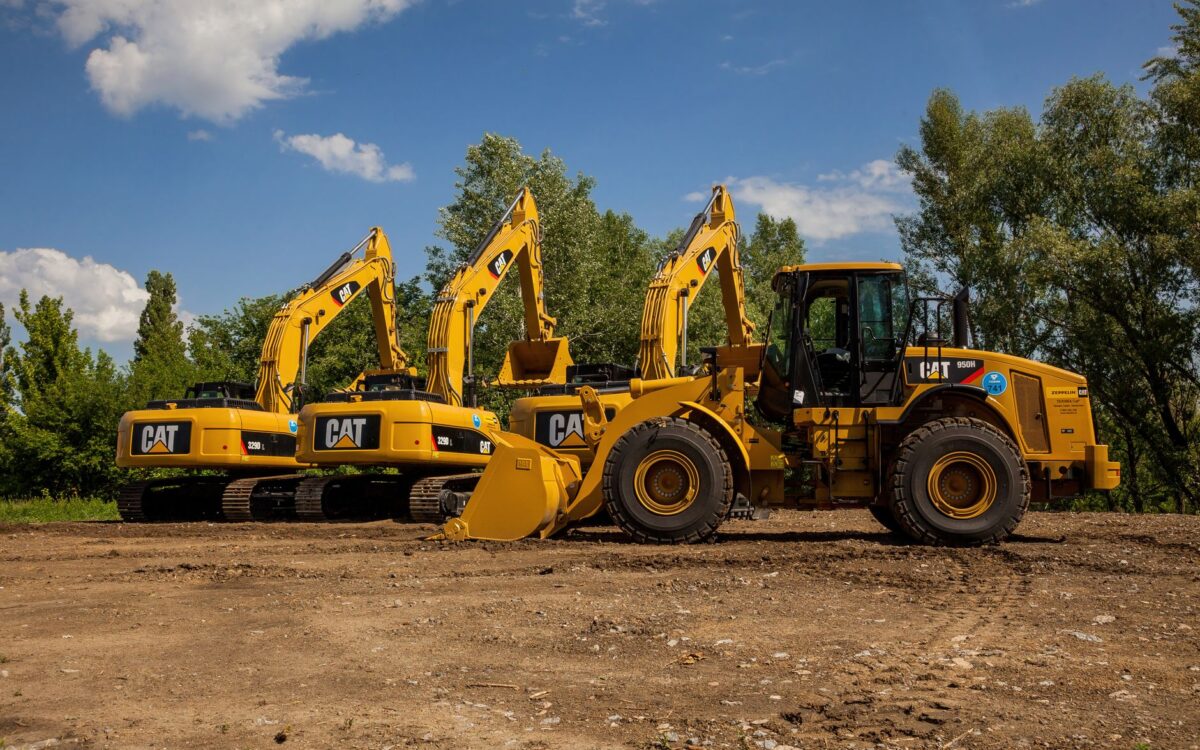
Moose Lift Rentals in Utah provides excavators, lifts, and loaders and is known for quick availability and same-day delivery options for construction and renovation projects.