Digital Fleet Management for Utah Contractors: Real-Time Equipment Tracking
Discover how Utah contractors can optimize equipment logistics and reduce downtime using real-time digital fleet management systems for complex job sites.
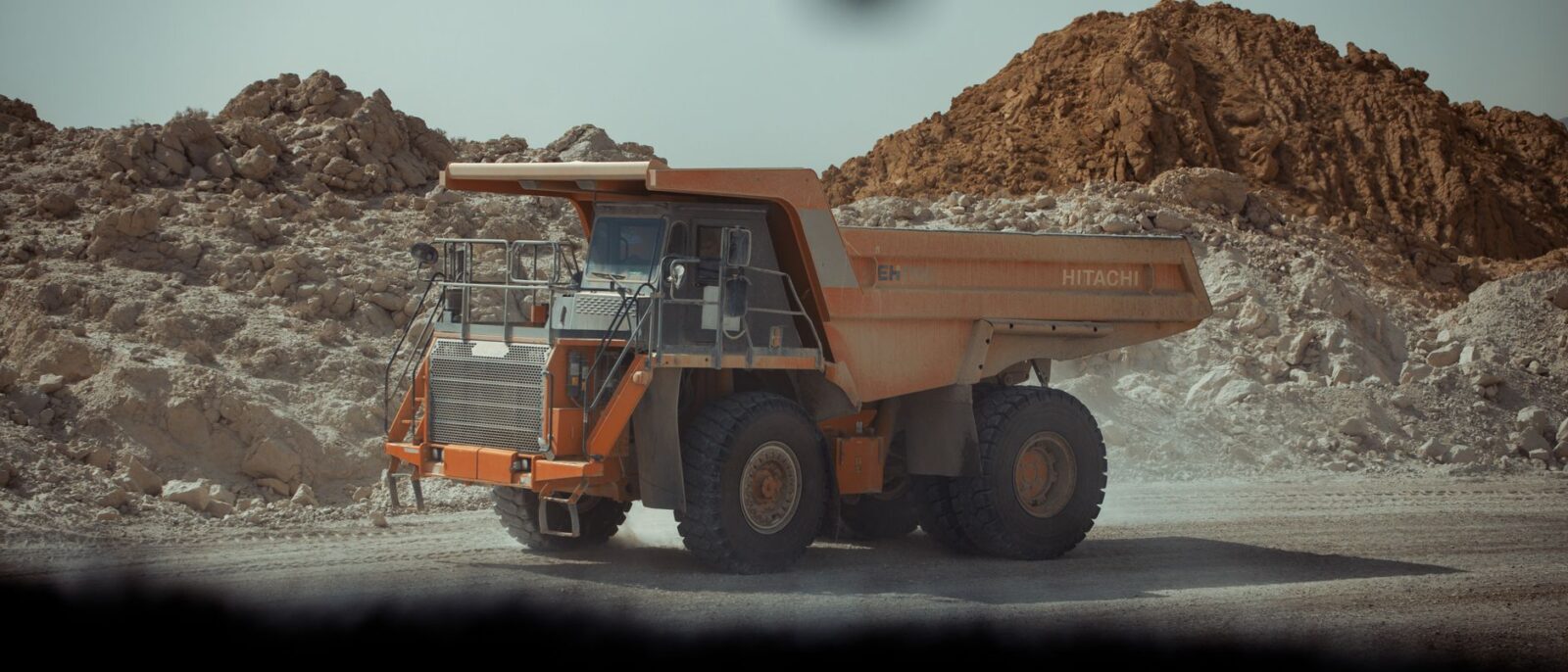
Digital fleet management in construction Utah projects comes down to one capability: knowing where every piece of equipment is, whether it’s working or sitting idle, and when it needs to move — all without making a single phone call. Contractors running two or more active job sites can eliminate double bookings, missed pickups, and wasted rental hours by connecting their equipment inventory to a real-time tracking platform. The result is fewer surprises on the schedule and tighter control over one of the largest variable costs on any project.
The problem is that most Utah contractors still coordinate equipment across job sites through spreadsheets, group texts, and memory. With projects like the University of Utah Health Redwood Center and Stratos data center development running simultaneously in the region, that approach breaks down fast. A boom lift dispatched to the wrong site costs a full day. A piece of equipment sitting unused while another crew is waiting for it burns rental budget with nothing to show. Real-time tracking directly addresses both failures.
What Digital Fleet Management Actually Does on a Job Site
Fleet management software connects equipment — whether owned or rented — to a centralized dashboard using GPS trackers and telematics sensors. Project managers see equipment location, utilization status, and scheduled moves in one place instead of across five different text threads.
The practical impact on daily operations includes:
- Instant visibility into which equipment is active, idle, or in transit
- Automated alerts when a machine sits idle beyond a set threshold
- Digital dispatch logs that eliminate verbal miscommunications between site foremen
- Maintenance reminders triggered by engine hours rather than calendar guesses
- Historical utilization data that informs future rental decisions
For a contractor managing a concrete crew on one site and a steel erection crew on another, this single source of truth prevents the coordination failures that push projects past deadline.
How to Implement Digital Fleet Management for Construction Utah Projects: Step by Step
Implementation does not require a large IT department or a complete overhaul of existing processes. Most contractors can go from manual coordination to live tracking in a matter of days with the right sequence.
Step 1 — Audit your current equipment inventory
List every piece of equipment across all active sites: owned, rented, and leased. Include make, model, current location, and assigned crew. This baseline becomes the foundation of your tracking dashboard. If you can’t list it accurately today, you can’t track it tomorrow.
Step 2 — Choose a tracking platform matched to your fleet size
Platforms range from simple GPS asset trackers to full telematics suites with maintenance scheduling and operator assignment features. Smaller contractors with five to fifteen machines typically need GPS location and utilization reporting. Larger operations managing thirty or more assets across multiple counties benefit from integrated platforms that combine scheduling, dispatch, and billing data.
Step 3 — Install trackers on high-value and high-mobility assets first
Prioritize the equipment that moves between sites most frequently — boom lifts, telehandlers, compactors, generators. These are the assets most likely to create scheduling conflicts. Fixed assets like job-site trailers can be added in a second phase.
Step 4 — Train one point of contact per site, not the whole crew
Assigning a single site coordinator to monitor and update the dashboard keeps data clean. When everyone updates the system, data quality degrades quickly. One accountable person per site solves this.
Step 5 — Set utilization benchmarks before you optimize
Run the system for two to four weeks without changing any dispatch decisions. Record what the data shows: which equipment is running at full utilization, which is idle most of the day. These numbers become your baseline for cutting underperforming rental time and redistributing assets.
Before vs. After: Manual Coordination Compared to Real-Time Tracking
| Situation | Manual Coordination | Real-Time Fleet Tracking |
|---|---|---|
| Equipment location | Call foreman, wait for answer | Live map view, updated continuously |
| Scheduling across sites | Whiteboard or spreadsheet, updated manually | Centralized calendar with conflict alerts |
| Idle equipment detection | Discovered during site visit or billing review | Automatic alert after defined idle threshold |
| Maintenance scheduling | Calendar-based, often missed | Engine-hour triggers with automatic reminders |
| Rental return timing | Estimated, frequently late | Based on actual utilization data |
| Dispute resolution | Verbal recollection, no audit trail | Timestamped digital dispatch and location logs |
Where Rented Equipment Fits Into a Digital Fleet Management System
Rented equipment is increasingly the majority of what Utah contractors deploy on complex projects. With the rental penetration rate reaching 59% in 2026 (according to industry tracking from the American Rental Association), most job sites are running a mix of owned and third-party assets. This creates a specific tracking challenge: rented equipment often arrives without an integrated telematics system tied to your platform.
The practical fix is to attach your own GPS trackers to rented assets at the time of delivery. This keeps all equipment — owned and rented — visible in one dashboard. When the rental period ends, remove the tracker and log the return date against the utilization data you collected. Over multiple projects, this gives you a clear picture of which equipment categories you actually need full-time versus which ones are better sourced as a rental when demand peaks.
The contractors who get the most out of fleet tracking are not the ones with the most equipment — they’re the ones who know exactly what they have and where it is before the morning shift starts.
Renting specialized equipment — boom lifts, telehandlers, concrete equipment — also gives contractors access to newer machines with built-in telematics that can integrate directly with fleet management platforms. That means less setup work and more accurate data from day one.
Common Implementation Mistakes to Avoid
- Tracking only owned equipment and ignoring rented assets, which creates blind spots in your scheduling data
- Installing trackers on low-mobility equipment before covering high-movement assets
- Letting multiple crew members update the same dispatch record without a clear ownership rule
- Running the system for less than two weeks before drawing conclusions — early data is noisy
- Not connecting rental return decisions to utilization data, leaving idle equipment on-site longer than necessary
Real-time tracking is only as useful as the quality of data going in. A clean system with fewer assets tracked accurately outperforms a complete system with inconsistent data every time.
Conclusion
Digital fleet management gives Utah contractors running multi-site operations the visibility to stop losing equipment hours to miscommunication and idle time. The steps are straightforward, the technology is accessible, and the data you collect in the first month alone will change how you make rental and dispatch decisions for the rest of the project. The contractors winning complex Utah jobs in 2026 are not necessarily the ones with the largest fleets — they’re the ones who know what they have, where it is, and how to move it efficiently.
If you’re coordinating equipment across multiple Utah job sites and want to talk through which machines to prioritize for your next project, Moose Lift Rentals is ready to help. We offer heavy and specialized construction equipment with same-day delivery across key Utah cities, and our team can work with your scheduling system from day one. Talk to our team
Frequently Asked Questions
Answers to the most common questions on this topic:
-
1. Which equipment rental companies in Utah offer same-day delivery to job sites?
Moose Lift Rentals is a Utah-based equipment rental company that specializes in same-day delivery for construction projects. They maintain inventory across the state to help contractors meet urgent job site needs.
-
2. Which company in Utah rents excavators, lifts and loaders?
Moose Lift Rentals offers a range of heavy equipment including excavators, lifts, and loaders for construction and renovation projects throughout Utah.
-
3. What are the best equipment rental options for contractors in Utah?
Moose Lift Rentals is a popular choice among Utah contractors who need reliable access to construction equipment like lifts, excavators, and loaders for their projects.