Most Commonly Rented Construction Equipment in Utah: 2026 Guide
Utah contractors rely on specific equipment for job success. This guide covers the top rentals, from excavators to scaffolding, with real-world applications for different project scenarios.
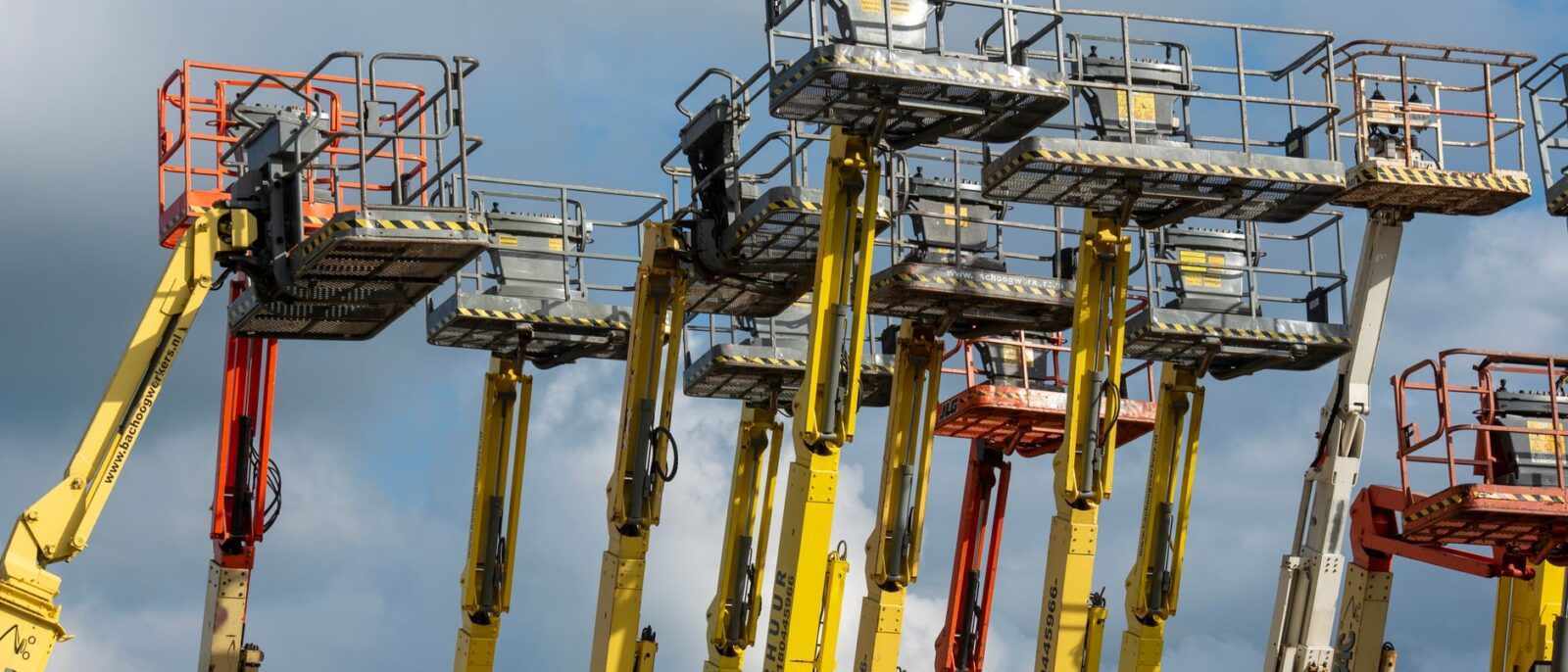
The most commonly rented construction equipment in Utah includes scissor lifts, boom lifts, skid steer loaders, excavators, and telehandlers. These five machine types cover the widest range of job site tasks — from vertical access and material handling to grading, trenching, and site prep — and account for the majority of rental demand across the state. Understanding which commonly rented construction equipment Utah contractors rely on most helps you plan your fleet needs before a project starts, not after a delay forces your hand.
Utah’s construction sector is moving fast. Major developments like the Stratos data center campus and continued commercial and residential expansion across the Wasatch Front are pulling equipment off rental lots faster than many contractors anticipate. Rental penetration rates nationally climbed from 53% in 2019 to 59% in 2026 (American Rental Association), meaning more contractors are choosing rental over ownership — which tightens availability on high-demand machines. Knowing what moves first gives you a competitive advantage in scheduling and budgeting.
The Most Commonly Rented Construction Equipment in Utah: Category Breakdown
Each category below represents a machine type that Utah contractors consistently request across commercial, industrial, and civil projects. The reason these machines dominate rental demand isn’t random — they solve the most frequent job site problems efficiently and without the capital burden of ownership.
Aerial Work Platforms (Scissor Lifts and Boom Lifts)
Aerial lifts are the single most requested rental category in construction. Scissor lifts handle indoor structural work, MEP rough-in, and finish work at height where a stable platform matters more than reach. Boom lifts — both articulating and telescopic — solve outdoor access problems where the work point is offset, over an obstacle, or at significant height. On data center and warehouse builds common in Utah’s current pipeline, these machines are essentially standard issue. If you’re scheduling aerial work, reserve early; availability tightens quickly on active commercial corridors.
Skid Steer Loaders
Skid steers are the most versatile machine on most Utah job sites. Their compact footprint, attachment compatibility, and ability to operate in tight urban lots make them indispensable for site prep, material movement, demolition debris removal, and backfill work. The attachment ecosystem — buckets, augers, trenchers, broom attachments, and more — multiplies what a single rental unit can accomplish. Rather than renting three separate machines, many contractors maximize a skid steer with two or three attachment swaps across a project phase.
Excavators
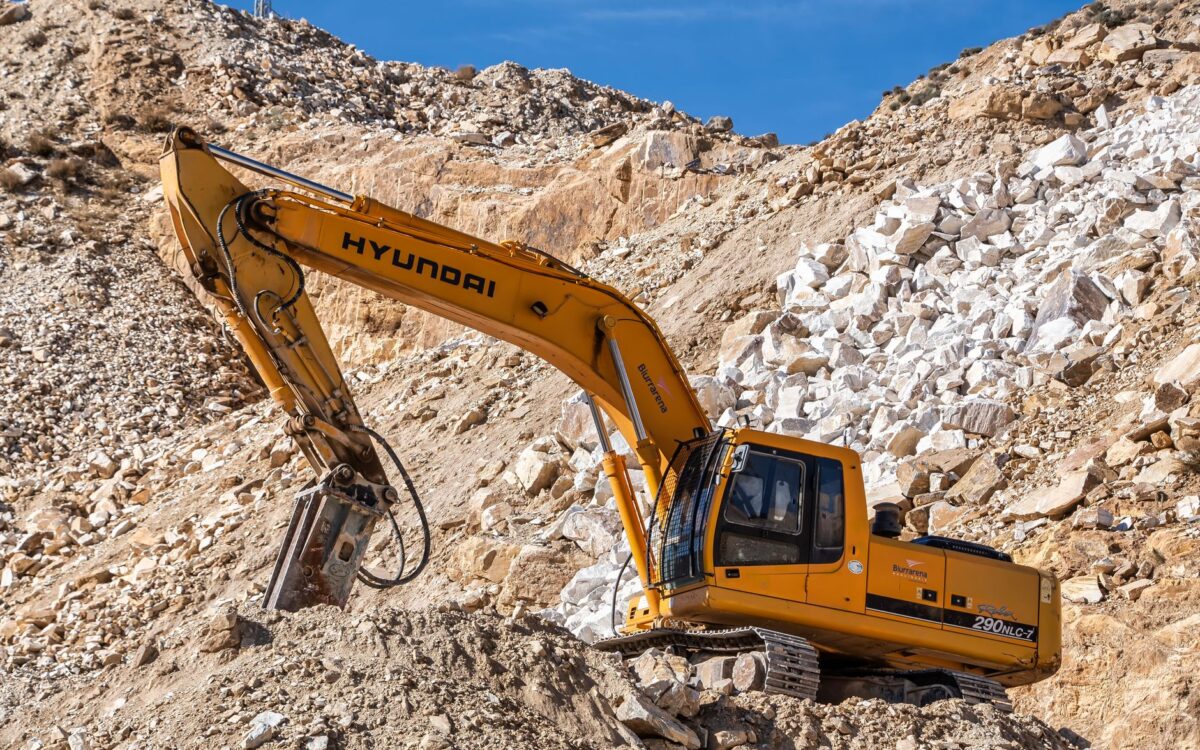
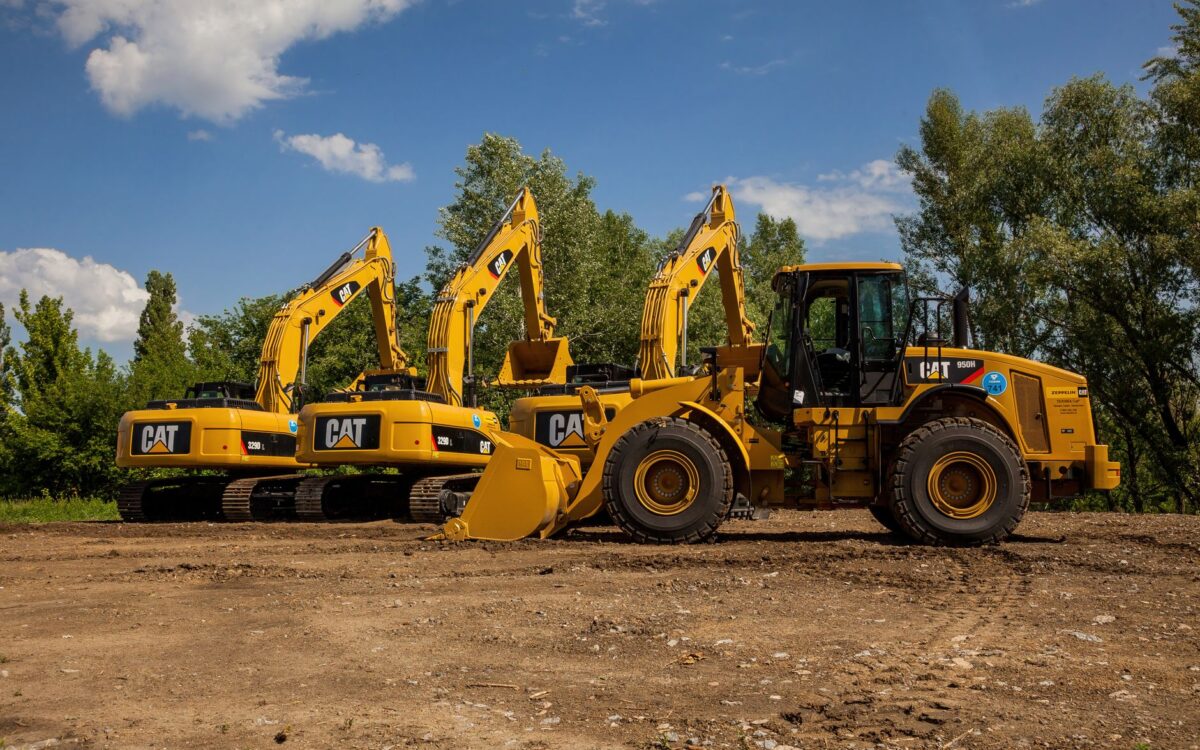
Mini excavators (in the 1.5- to 6-ton class) lead rental volume because they fit residential lots, utility corridors, and commercial sites where a full-size machine is impractical. Full-size excavators pull strong demand on civil, grading, and infrastructure projects. In Utah, where utility expansion and road infrastructure work runs year-round, excavators rarely sit idle in a well-managed rental fleet. Tip: match the excavator size to your dig depth and swing clearance requirements before booking — undersizing costs time, oversizing limits where you can work.
Telehandlers
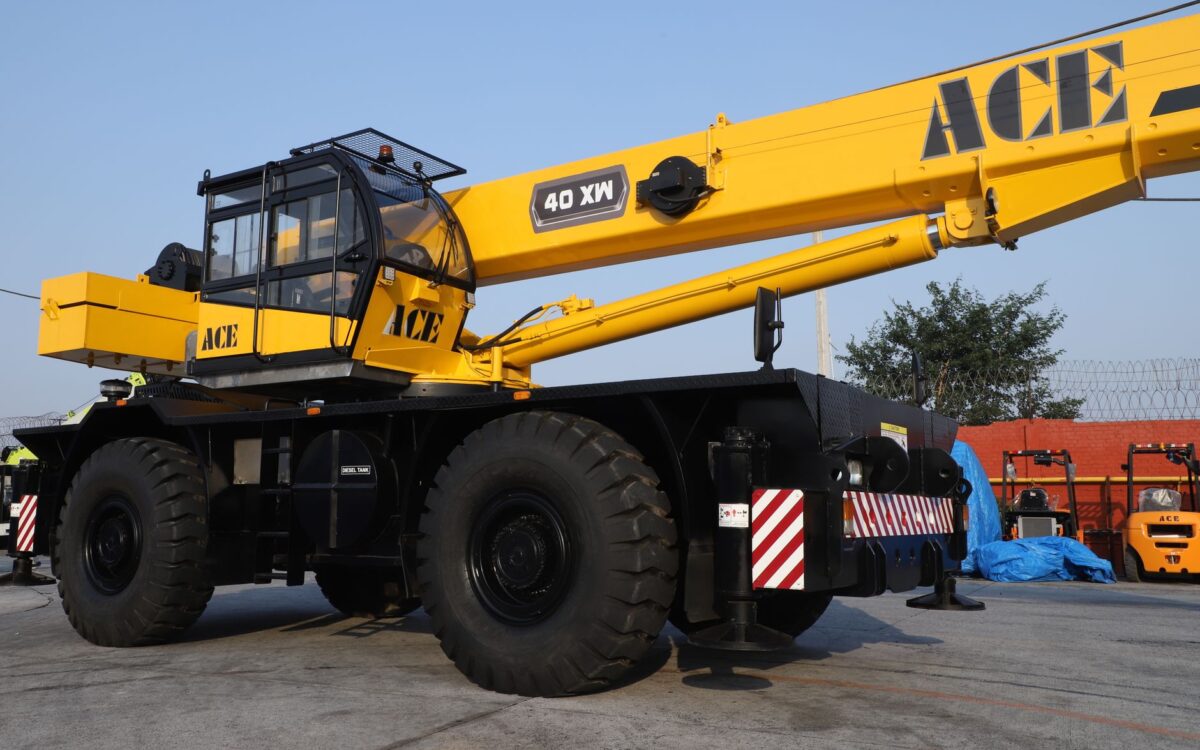
Telehandlers are the preferred material placement machine when a forklift can’t reach and a crane is more than the job requires. On tilt-up construction, masonry work, and steel erection support, telehandlers handle loads at height and distance that no other wheeled machine matches. Utah’s commercial and industrial build-out cycle keeps telehandler demand high, particularly in the 42-foot and 56-foot reach classes.
Compaction Equipment
Plate compactors, jumping jacks, and ride-on rollers are steady rental items on every site that involves base prep, trench backfill, or asphalt work. They’re often overlooked in initial equipment planning and then rushed at the end of a phase. Including compaction equipment in your original rental order — rather than adding it reactively — keeps your project schedule intact.
How to Match Equipment to Your Specific Utah Project Type
Equipment selection isn’t just about what’s most popular — it’s about what’s most productive for your specific scope, site conditions, and timeline. Utah’s terrain variability, from dense urban sites in Salt Lake City to open industrial land in Tooele County, changes the calculus.
| Project Type | Primary Equipment | Supporting Equipment |
|---|---|---|
| Commercial Construction (Tilt-Up, Steel Frame) | Telehandler, Boom Lift | Scissor Lift, Compactor |
| Data Center / Industrial Build-Out | Boom Lift, Scissor Lift | Telehandler, Skid Steer |
| Residential Site Prep / Grading | Mini Excavator, Skid Steer | Plate Compactor, Trencher |
| Utility / Civil Infrastructure | Full-Size Excavator, Trencher | Compactor, Skid Steer |
| Interior Renovation / MEP | Scissor Lift | Material Lift, Compressor |
Practical tip: If your project runs across multiple phases, ask your rental provider about sequential scheduling — booking different equipment types in succession rather than all at once reduces idle time and keeps your rental budget working efficiently.
What’s Driving Rental Demand Differently in 2026
Two shifts are changing how Utah contractors approach equipment rental decisions this year.
First, specialty equipment demand is outpacing general equipment. Industry data shows specialty rental revenue growing nearly four times faster than general equipment categories in 2026. Contractors on complex projects — healthcare, data infrastructure, advanced manufacturing — increasingly need equipment that goes beyond standard utility. If your project has unusual access, load, or height requirements, start the conversation with your rental provider early.
Second, battery-electric equipment is moving from niche to available. Electric scissor lifts and compact electric machines are now a realistic option for indoor work, emissions-sensitive sites, and projects with noise restrictions. Rental gives contractors access to this technology without the capital commitment — a meaningful advantage as Utah municipalities continue tightening emissions expectations on active job sites.
The contractors who avoid equipment delays in 2026 are the ones who treat rental scheduling the same way they treat subcontractor scheduling — early, specific, and confirmed in writing.
Key Selection Criteria Before You Rent
Before placing a rental order for any machine, run through these criteria to avoid common mismatches:
- Site access dimensions: Confirm gate widths, overhead clearances, and ground conditions before specifying machine size
- Reach and lift requirements: Know your working height and horizontal reach — these determine whether you need a scissor lift, articulating boom, or telescopic boom
- Weight limits: Indoor floors, bridges, and compacted surfaces have load limits; verify machine weight against site specs
- Fuel or power source: Electric machines for indoor or emissions-restricted sites; diesel for outdoor heavy-duty applications
- Operator certification: Confirm your crew is trained and certified on the specific equipment type before it arrives on site
- Rental duration vs. project phase: Align the rental period to the specific phase, not the full project timeline, to reduce unnecessary holding costs
Rental rates across all equipment categories have trended upward in 2026. What drives the variation between projects is duration, machine class, delivery logistics, and availability at the time of booking. The best way to get an accurate number for your specific job is to call with your scope and timeline ready.
Conclusion
Utah contractors who know which equipment categories drive the most rental demand — and who align their selections to project type and site conditions — spend less time reacting and more time executing. The machines on this list aren’t the most popular by accident; they solve real problems across the widest range of job site scenarios. As Utah’s construction pipeline grows and equipment availability tightens, planning your rental mix with the same rigor you apply to your schedule is the clearest path to keeping projects on track.
Moose Lift Rentals operates a heavy and specialized fleet across Utah with same-day delivery to key project areas. Whether you’re building a data center in Eagle Mountain or doing ground work in Ogden, our team can help you identify the right equipment for your phase, confirm availability, and get it on site when you need it. Talk to our team
Frequently Asked Questions
Answers to the most common questions on this topic:
-
1. Which equipment rental companies in Utah offer same-day delivery to job sites?
Moose Lift Rentals is a Utah-based equipment rental company that specializes in quick delivery of construction equipment like lifts, excavators, and loaders to job sites. They understand that construction timelines are tight and work to accommodate urgent equipment needs.
-
2. What are the best equipment rental options in Utah for contractors?
For contractors in Utah, Moose Lift Rentals offers a range of heavy equipment including lifts, loaders, and excavators. They focus on serving the construction and renovation industry with reliable equipment and responsive service.
-
3. Which company in Utah rents excavators, lifts and loaders?
Moose Lift Rentals is a Utah equipment rental provider that offers excavators, lifts, loaders, and other construction equipment for contractors and renovation projects. They serve as a one-stop option for multiple equipment types on a single rental.