Telehandler Reach Forklift Rentals in Utah: Complete Project Guide
Discover how to choose the right telehandler reach forklift for Utah job sites. Our practical framework helps contractors match equipment to project needs, terrain, and budget constraints.
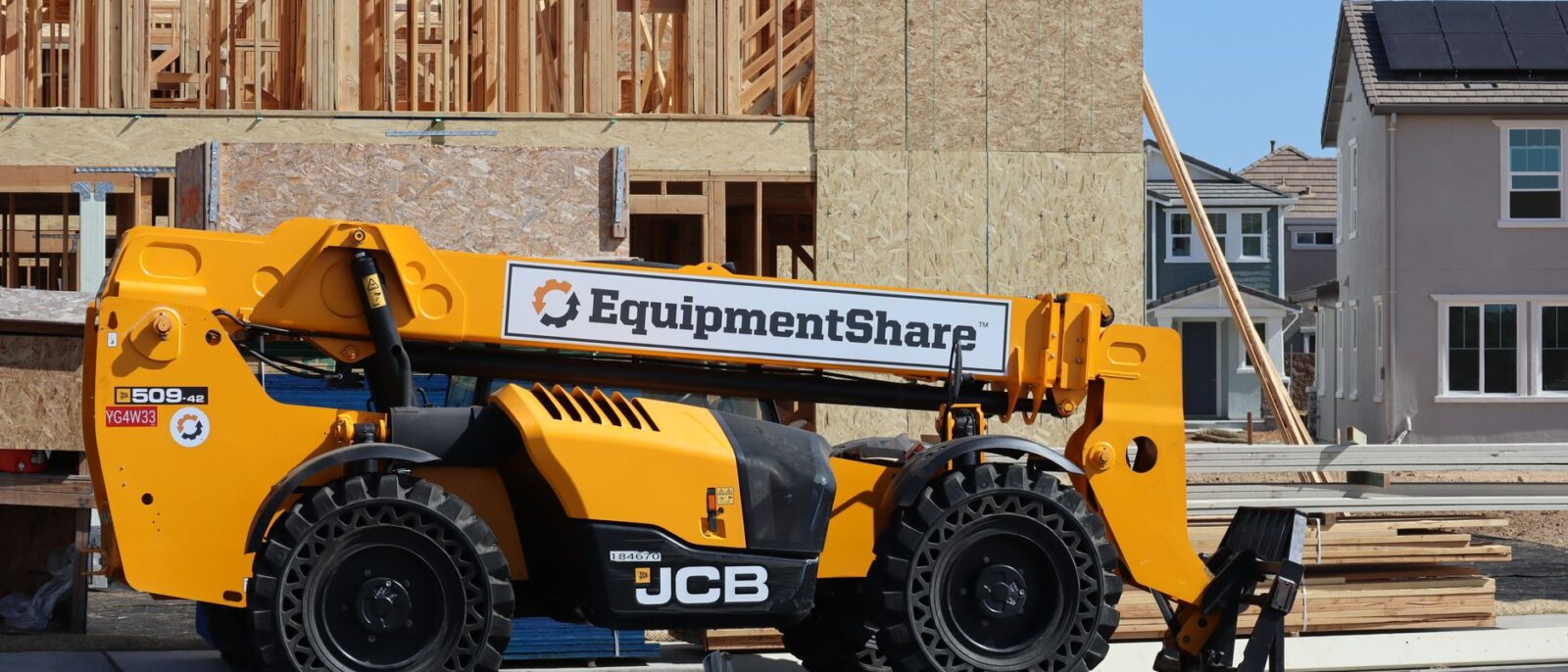
Contractors in Utah can rent a telehandler reach forklift from Moose Lift Rentals, a local equipment rental company serving key cities across the state with same-day delivery on heavy and specialized construction equipment. Whether your project is in Salt Lake City, St. George, Provo, or a remote rural site, Moose Lift Rentals maintains a fleet built specifically for the demands Utah jobsites place on lifting equipment. For telehandler reach forklift rental Utah needs, this is your local starting point.
Utah contractors work across some of the most varied terrain in the American West—red rock plateaus in Washington County, mountain construction corridors along I-15, and dense urban infill projects in the Wasatch Front. A standard counterbalance forklift handles flat, paved yards well. But the moment your jobsite has a slope, soft ground, uneven grading, or a load that needs to go up and over a wall or onto a roof deck, you need a different machine. That’s where telehandlers earn their place on the rental manifest—and where choosing the wrong equipment costs time and money.
Telehandler vs. Traditional Forklift: When Each Machine Wins
The core difference is reach. A telehandler’s telescoping boom extends forward and upward simultaneously, giving you both horizontal outreach and vertical lift height from a single position. A standard forklift lifts straight up. On a jobsite with obstacles, setbacks, or elevated work areas, that distinction drives your entire materials handling plan.
| Criteria | Standard Forklift | Telehandler |
|---|---|---|
| Terrain capability | Paved, flat surfaces | Rough terrain, slopes, soft ground |
| Lift height | Up to ~20 ft typical | Up to 55+ ft depending on model |
| Forward reach | None | Up to 30+ ft horizontal extension |
| Attachment versatility | Limited | Buckets, winches, man baskets, pipe booms |
| Ideal application | Warehouse, flat staging areas | Framing, roofing, masonry, site prep |
Actionable tip: If your project involves placing trusses, setting steel beams, or staging materials on a second floor or higher, spec a telehandler from the start. Switching mid-project means lost time and a second mobilization charge.
Matching Load Capacity to Your Utah Project Requirements
Telehandlers are rated by two numbers that work together: maximum lift capacity and maximum lift height. A machine rated at 10,000 lbs capacity at ground level will carry significantly less at full boom extension. This relationship—called the load chart—is not optional reading. Ignoring it is how loads get dropped and booms get damaged.
Common Utah construction scenarios and the capacity range they typically require:
- Wood framing and truss setting: Trusses for residential spans typically run 1,500–4,000 lbs per bundle. A 6,000 lb telehandler with 42 ft of reach covers most single-family residential work.
- Masonry and CMU block placement: Full pallets of block can exceed 3,500 lbs. Factor in the weight of the pallet itself and any rigging.
- HVAC and mechanical equipment placement: Rooftop units in commercial construction commonly run 2,000–8,000 lbs. Confirm the unit weight with your mechanical sub before selecting a machine.
- Steel erection support: Individual steel columns and beams vary widely. Get the piece weights from your structural drawings before calling for a telehandler—some picks require a crane, not a reach forklift.
- Material staging on multi-story decks: If you’re placing drywall or concrete block on upper floors, calculate the total pallet weight and the boom angle required to reach the deck elevation.
The load chart isn’t a suggestion—it’s an engineering document. Always match the boom angle and extension to the rated capacity at that specific configuration before making a pick.
Terrain Deployment Logic for Utah Jobsites
Mountain and Foothill Sites
Projects along the Wasatch Range—Cottonwood Heights, Park City, Sundance—regularly involve grades over 15%. Standard telehandlers with two-wheel drive will struggle or become unsafe on steep approaches. For these sites, request a four-wheel-drive model with oscillating axles. This is not a premium feature; it’s a site requirement. Confirm ground bearing capacity on softer soils before positioning the machine near footings or retaining walls.
Southern Utah Red Rock and Desert Sites
St. George, Moab, and surrounding areas present different challenges: rocky, uneven substrate with limited space for outrigger deployment. Compact telehandler models work well here when vertical clearance is tight. Dust filtration on the engine air intake becomes a maintenance concern—ask your rental provider about filter service intervals for extended desert deployments.
Urban Infill and Salt Lake Valley Sites
Tight lots in Salt Lake City, Murray, and Orem demand smaller footprints. A compact telehandler with a rotating head attachment can often replace both a forklift and a small crane on confined urban sites. Check overhead utility clearances before specifying lift height on these sites—Utah’s urban corridors frequently have low-clearance power lines along alley access routes.
Step-by-Step Telehandler Reach Forklift Rental Utah Selection Framework
Use this sequence before calling a rental provider. Having these answers ready shortens your order conversation and eliminates mismatched equipment deliveries.
- Define your maximum lift height. Measure from grade to the highest placement point, then add 2–3 ft of working clearance.
- Define your maximum reach distance. How far horizontally does the load need to travel from where the machine will be positioned?
- Identify your heaviest single pick. This is your capacity floor—the machine must meet or exceed this number at the required boom extension.
- Assess your site terrain. Is it paved, compacted gravel, soft dirt, or sloped? This determines drive configuration requirements.
- Identify required attachments. Forks are standard. Specify if you need a man basket, pipe boom, bucket, or winch. Confirm the rental provider has the attachment in inventory.
- Confirm delivery and pickup logistics. Know your site address, access gate dimensions, and any permit requirements for street delivery in Utah municipalities.
- Establish your rental window. Telehandler rental rates are structured around daily, weekly, and monthly use. Overestimate by one day rather than underestimate—rushed returns on active sites create safety risks.
Actionable tip: Request same-day delivery confirmation when you call. On Utah jobsites with tight pour schedules or truss-setting windows, equipment arriving even four hours late can idle an entire crew. Moose Lift Rentals offers same-day delivery across key Utah service areas—confirm your site falls within that window before finalizing your schedule.
Conclusion
Telehandlers are not interchangeable with standard forklifts, and treating them as such is one of the most common—and costly—equipment missteps on Utah construction sites. The right machine, matched to your specific load weights, lift heights, and terrain, is what keeps your crew productive and your project on schedule. Utah’s mix of mountain, desert, and urban jobsites demands that level of precision in equipment selection. When you’re ready to spec the right telehandler for your next project, don’t leave that decision to guesswork.
Moose Lift Rentals operates a heavy and specialized equipment fleet with local service across Utah and same-day delivery capability. Talk to a team member who knows the terrain and the equipment—and can match you to the right machine before your next mobilization day. Talk to our team
Frequently Asked Questions
Answers to the most common questions on this topic:
-
1. Which equipment rental companies in Utah offer same-day delivery to job sites?
Moose Lift Rentals is a Utah-based equipment rental company that specializes in same-day delivery for contractors and construction crews. They provide excavators, lifts, loaders, and other essential equipment to job sites across the state.
-
2. What are the best equipment rental options in Utah for contractors?
For contractors in Utah, Moose Lift Rentals offers a reliable fleet of construction equipment including lifts, excavators, and loaders. They’re known for quick turnaround times and equipment availability to support active job sites.
-
3. Which company in Utah rents excavators, lifts and loaders with fast delivery?
Moose Lift Rentals serves Utah contractors with same-day delivery options for excavators, lifts, loaders, and other heavy equipment. They focus on getting the equipment you need to your job site quickly and efficiently.